How to Keep Raised Bed Soil From Drying Out
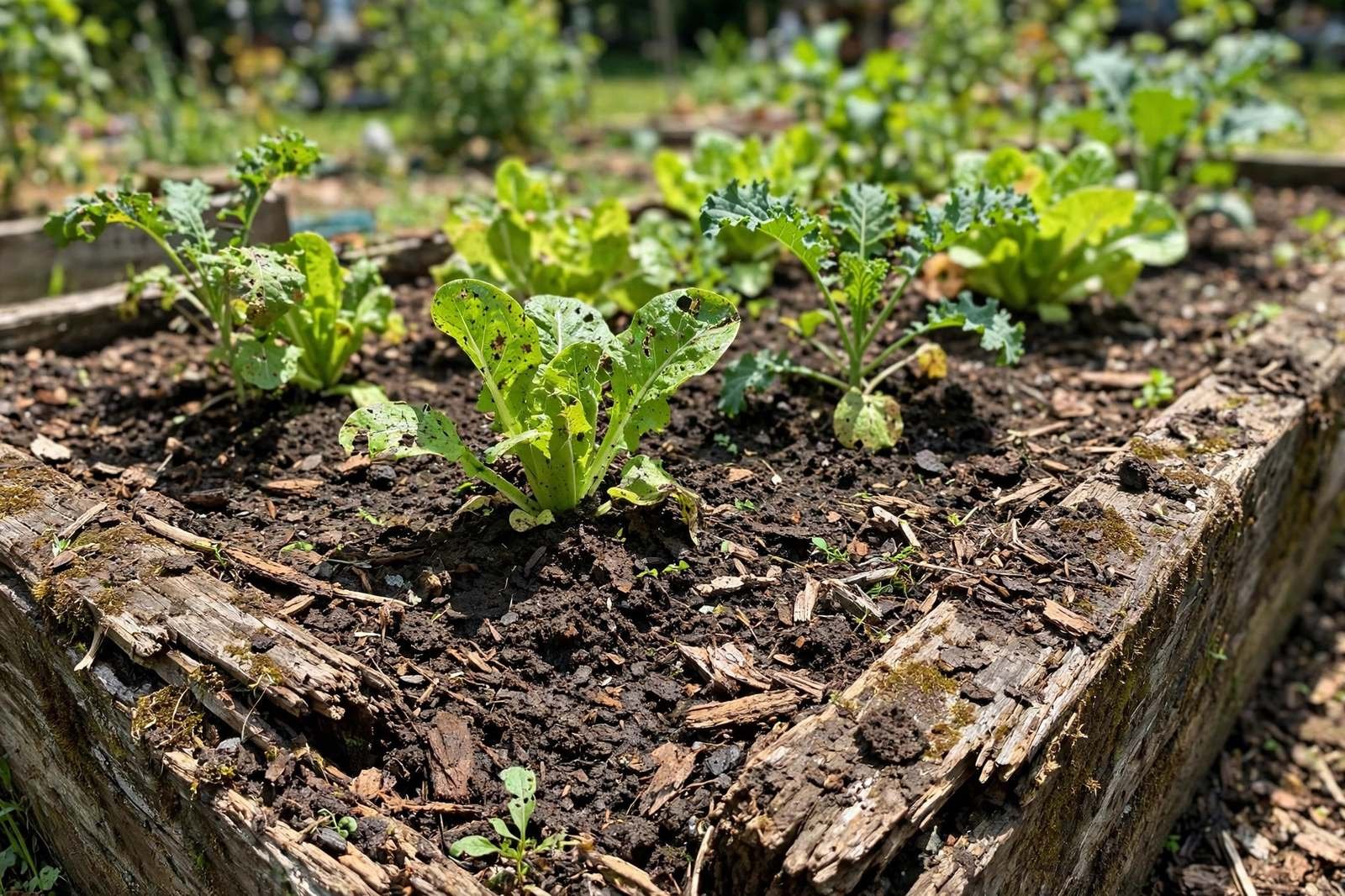
Mulch 3 inches thick, water in two passes, and check moisture at 2 inches deep: a 4 by 8 bed needs about 20 gallons a week in mild weather.

Mulch 3 inches thick, water in two passes, and check moisture at 2 inches deep: a 4 by 8 bed needs about 20 gallons a week in mild weather.
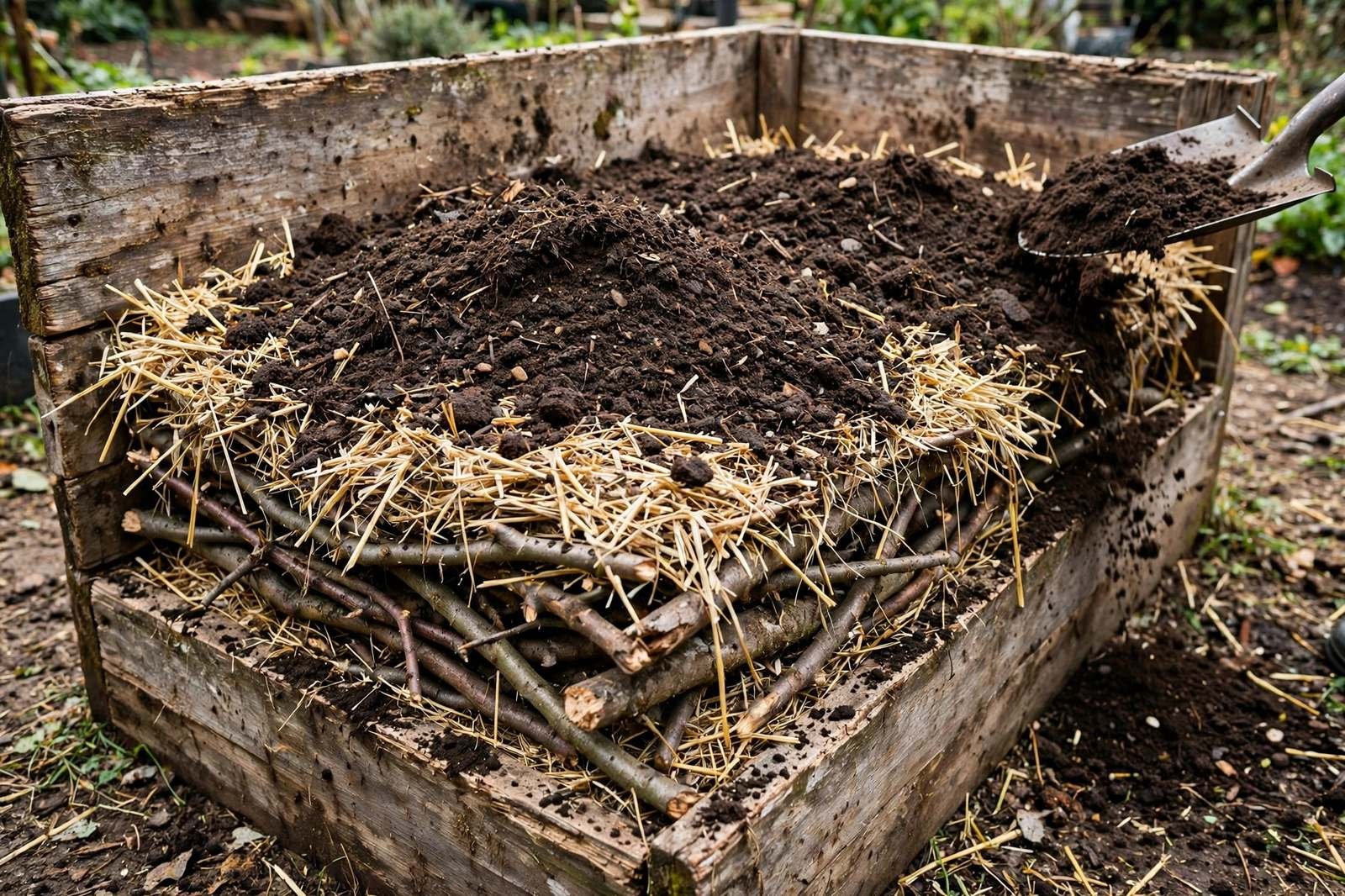
Fill the bottom 12 inches with branches and straw, top with 12 inches of mix, and water in two passes: about 48 bags instead of 86 for a 4 by 8 bed.
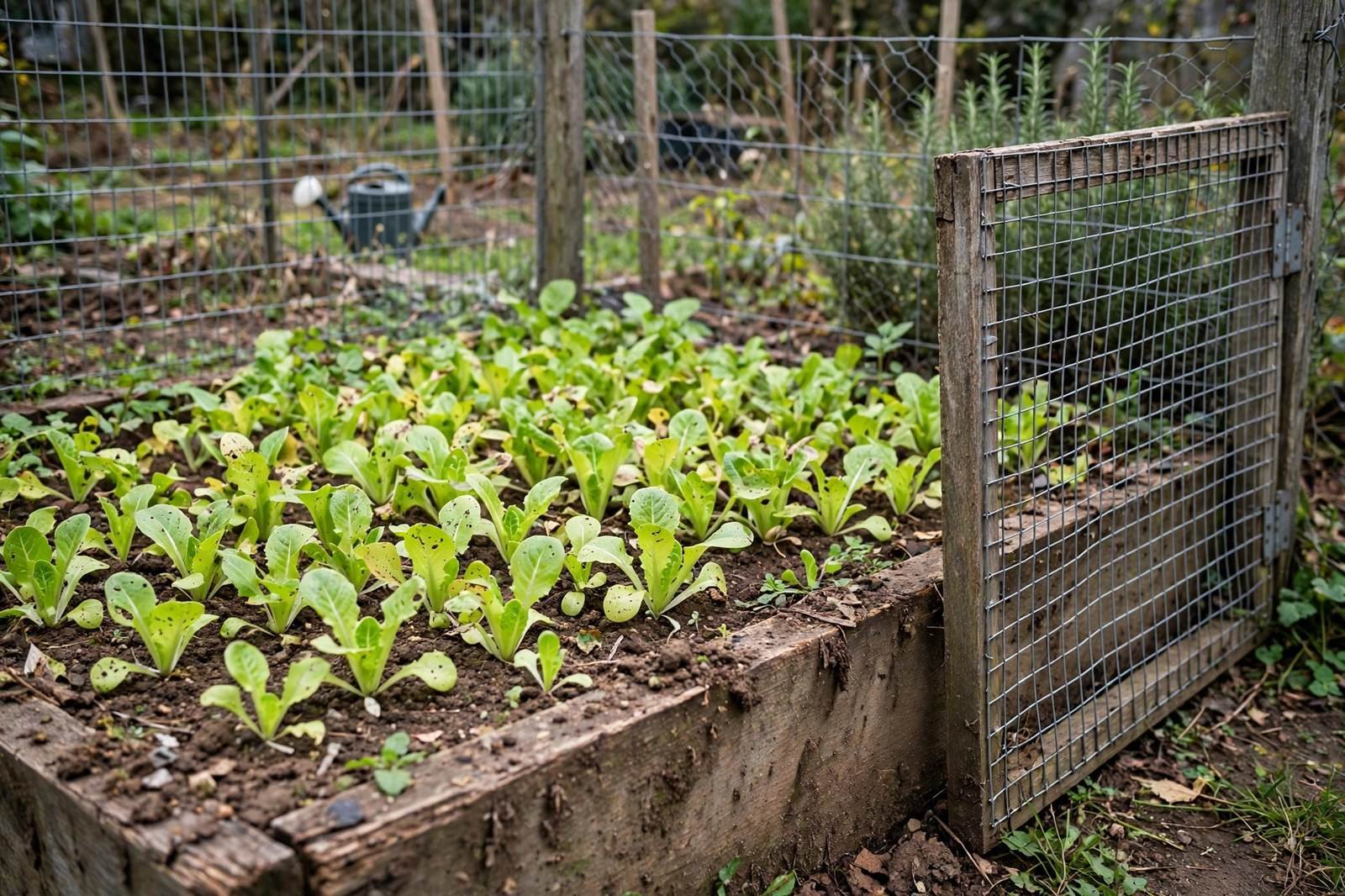
Use 1-inch mesh 2 feet tall with 6 inches buried or bent outward, posts every 6 feet, and row cover for seedlings: 26 feet of mesh for a 4 by 8 bed.
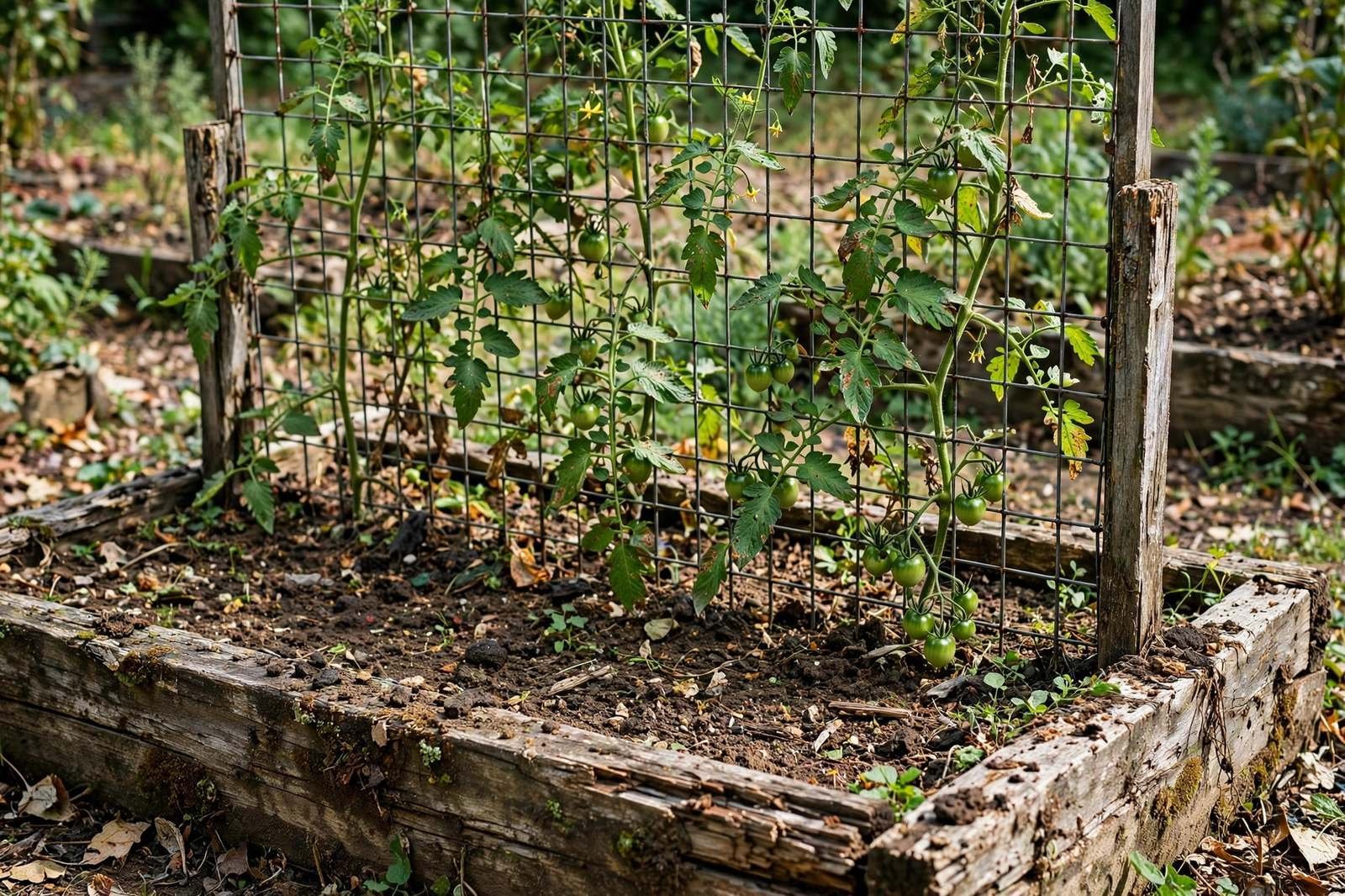
Anchor to the frame or to posts 2 feet deep before planting, tie every 12 inches with slack, and place the panel at the north end so it does not shade the bed.
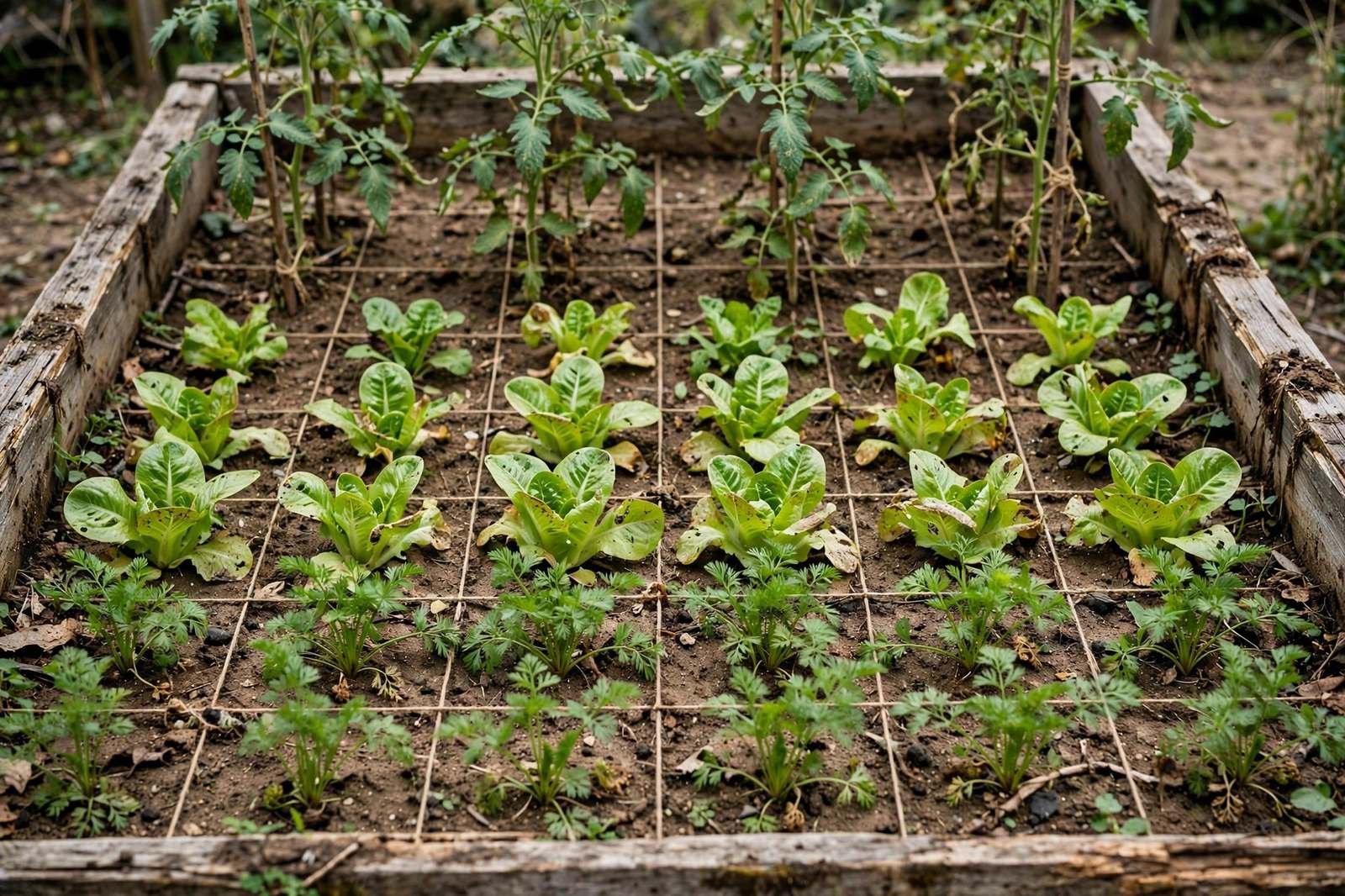
Plan from mature width in 1-foot squares: a zoned 4 by 8 bed holds two tomatoes, 16 lettuce, 64 carrots, beans, spinach, and herbs, all within reach.
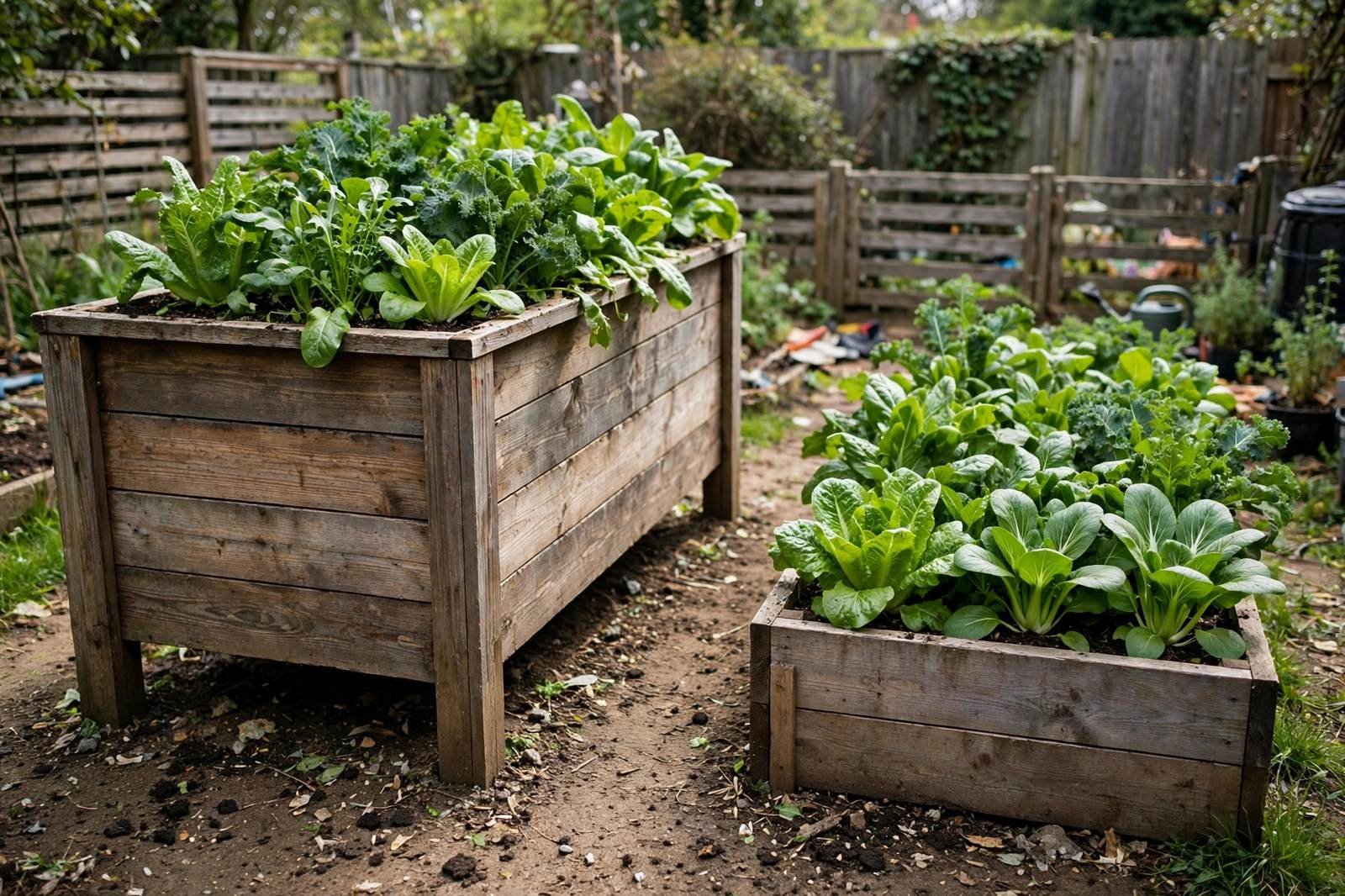
Tall and standard raised beds compared on soil, water, weight, and working height, with a worked 4 by 8 example and verdicts by gardener, site, and crop.
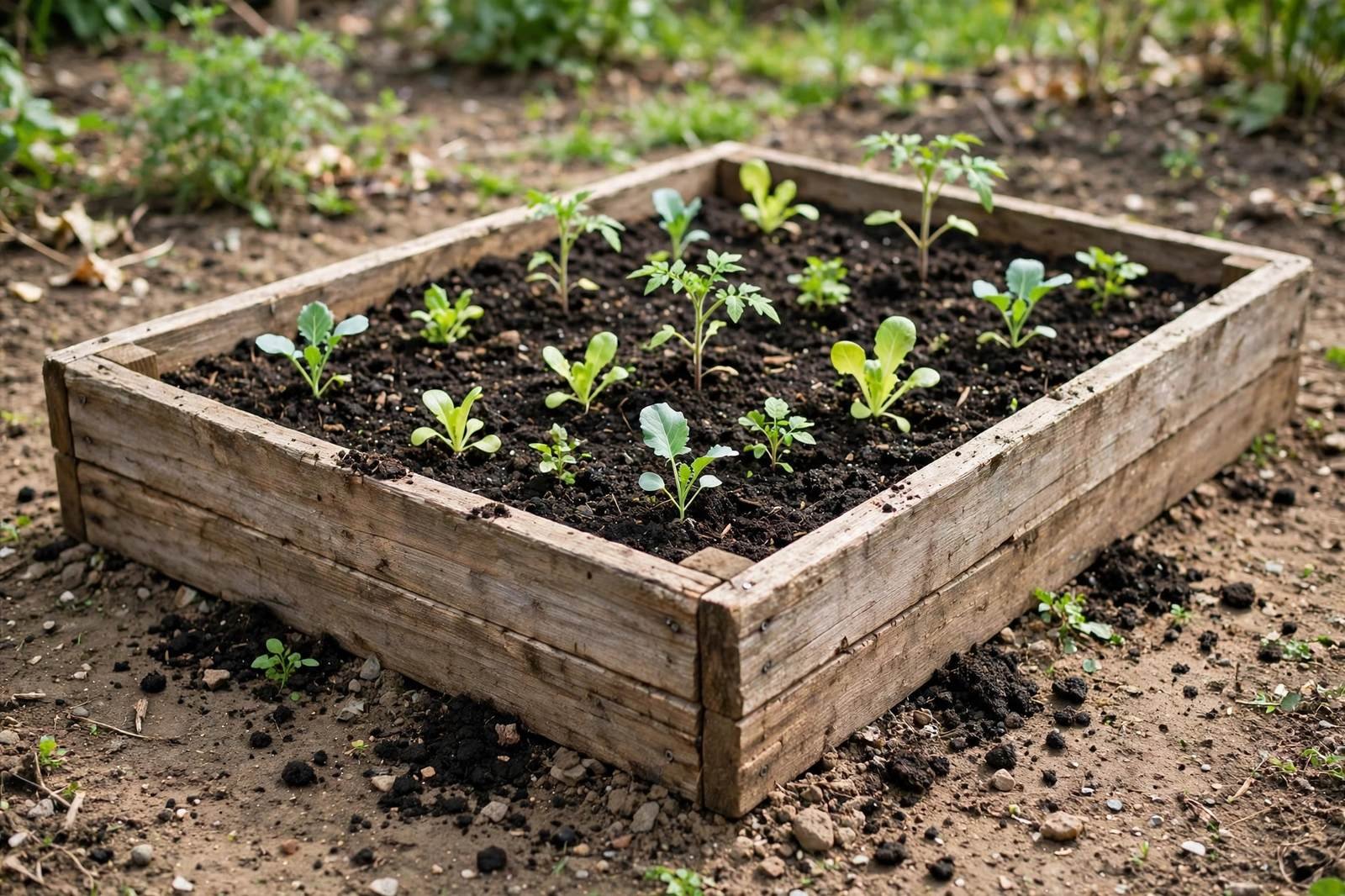
Open and closed-bottom raised beds compared on drainage, root depth, and site fit, with a worked rainwater example and verdicts for soil beds and patios.
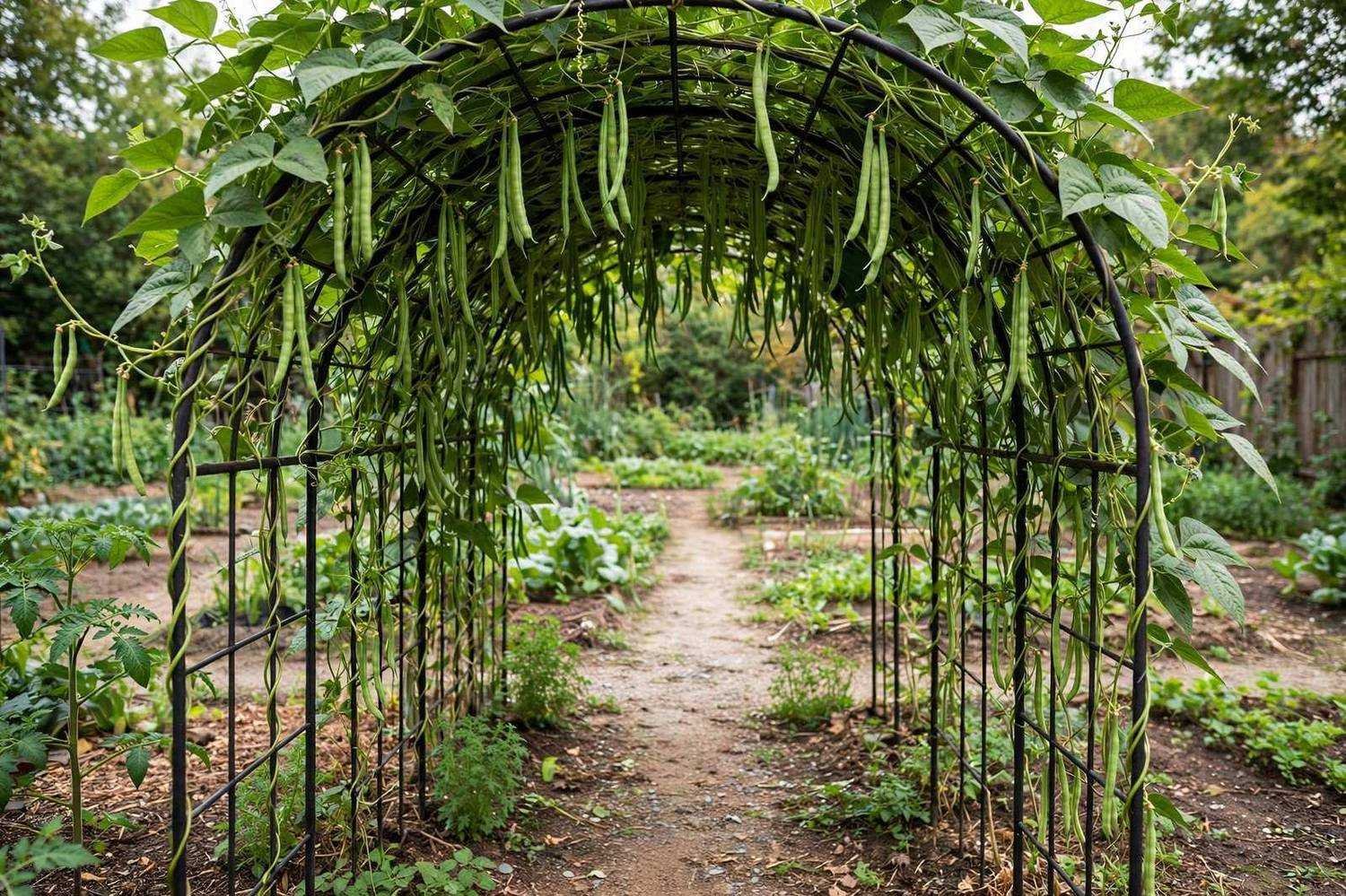
Garden arches and flat trellises compared on growing area, picking, shade, and footing, with a worked 8-foot example and verdicts by space and harvest.
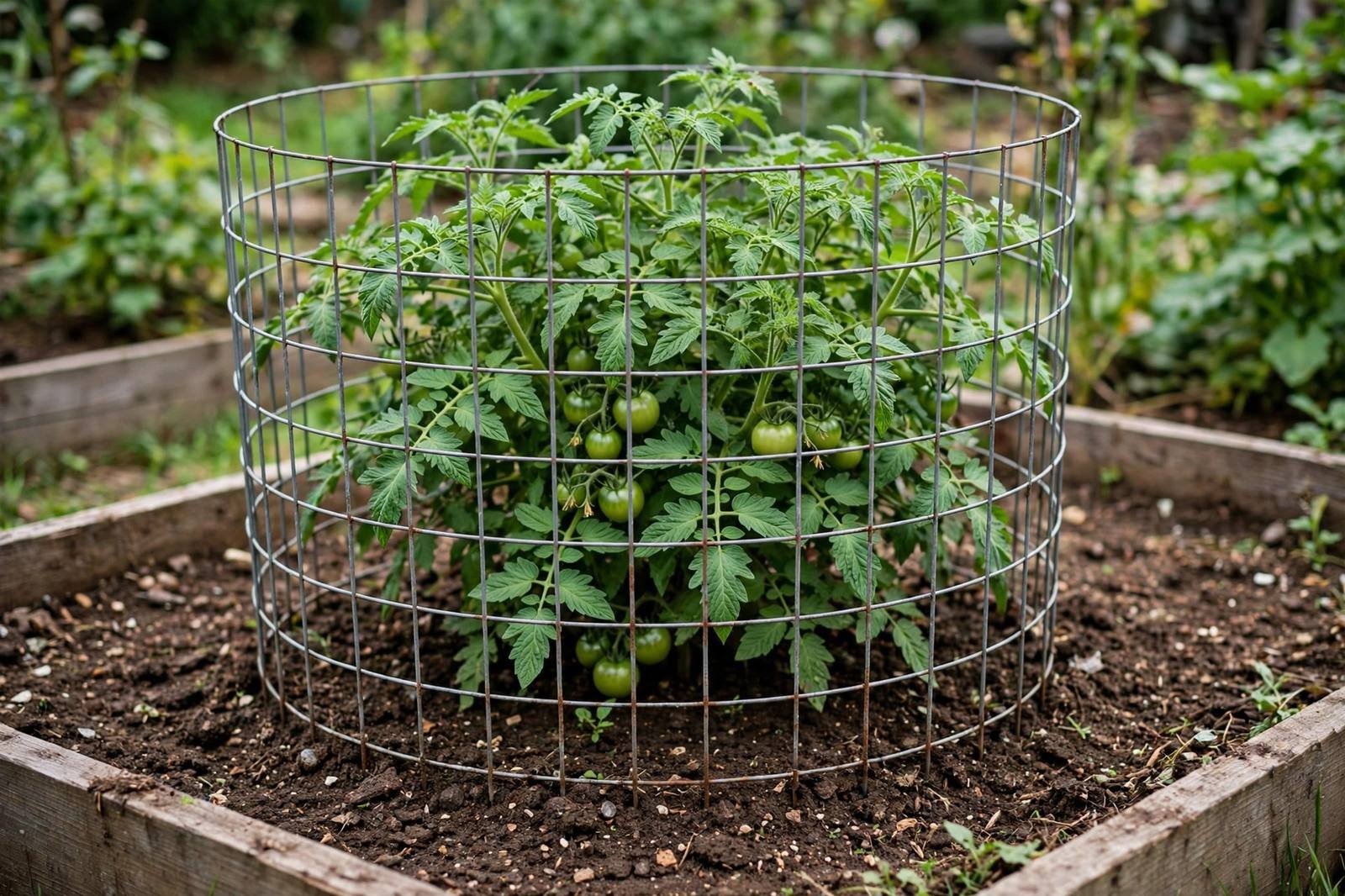
Tomato cages and trellises compared on support, airflow, picking, and season work, with a worked four-plant example and verdicts by variety and effort.
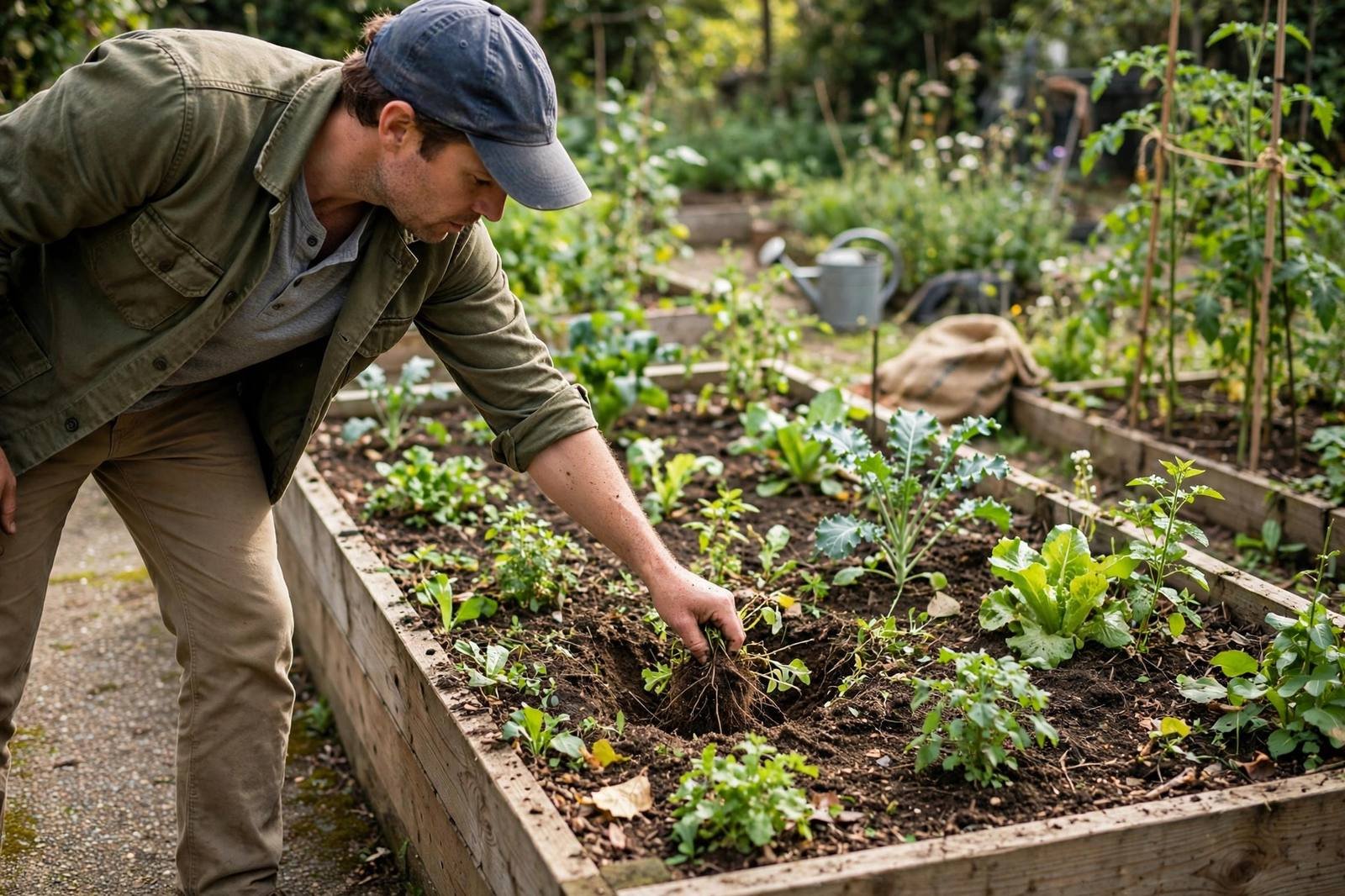
Raised bed width by reach: 4 feet with two-sided access, 2 feet against a wall, with a worked path and growing-area example for a 12-foot garden space.