Watering Wand vs Hose Nozzle
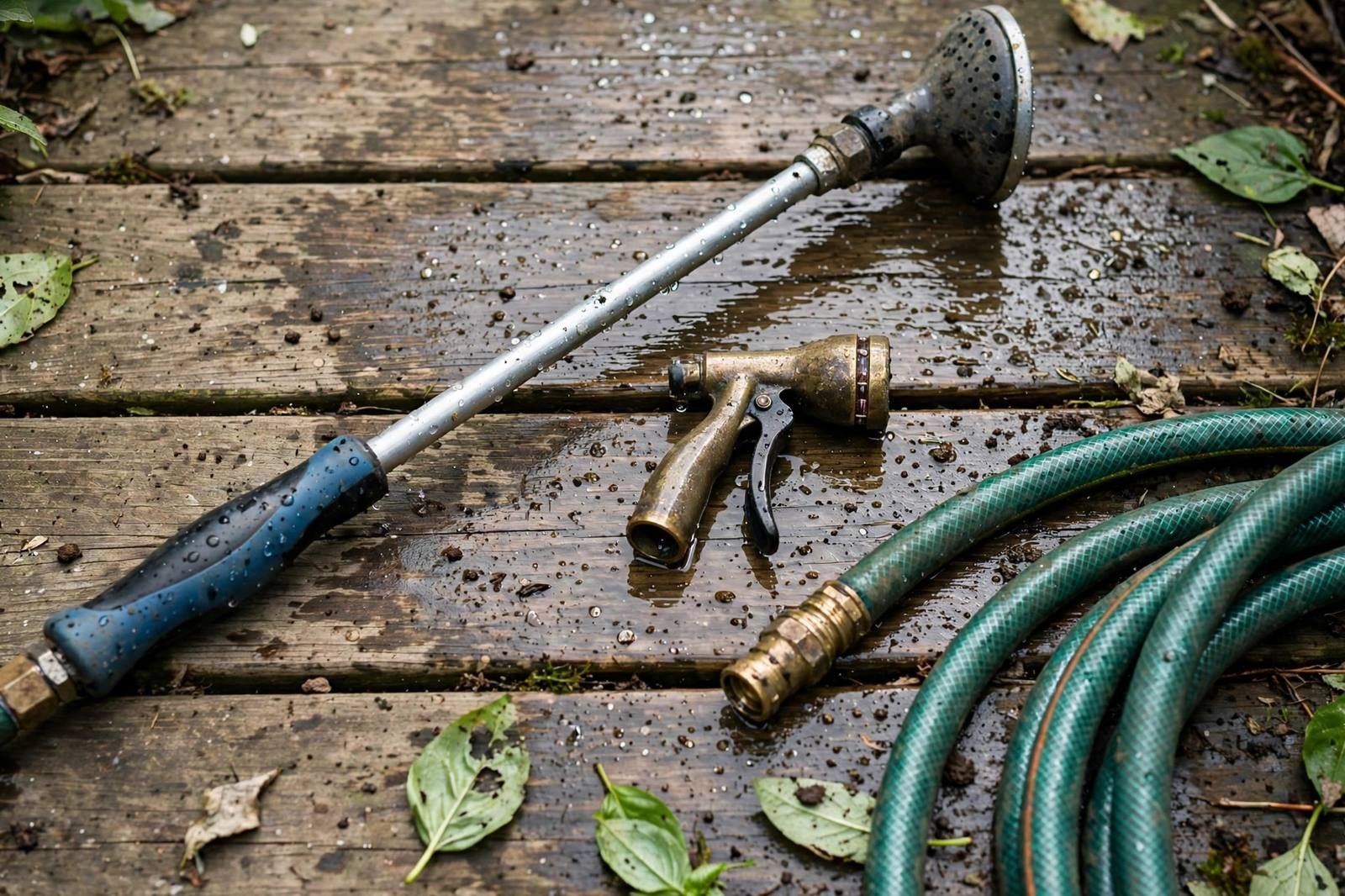
A wand reaches baskets and deep beds with a gentle shower, while a nozzle switches patterns for beds, pots, and paths. Compare reach, flow, and soil care to pick the tool that fits the jobs you do most.

A wand reaches baskets and deep beds with a gentle shower, while a nozzle switches patterns for beds, pots, and paths. Compare reach, flow, and soil care to pick the tool that fits the jobs you do most.
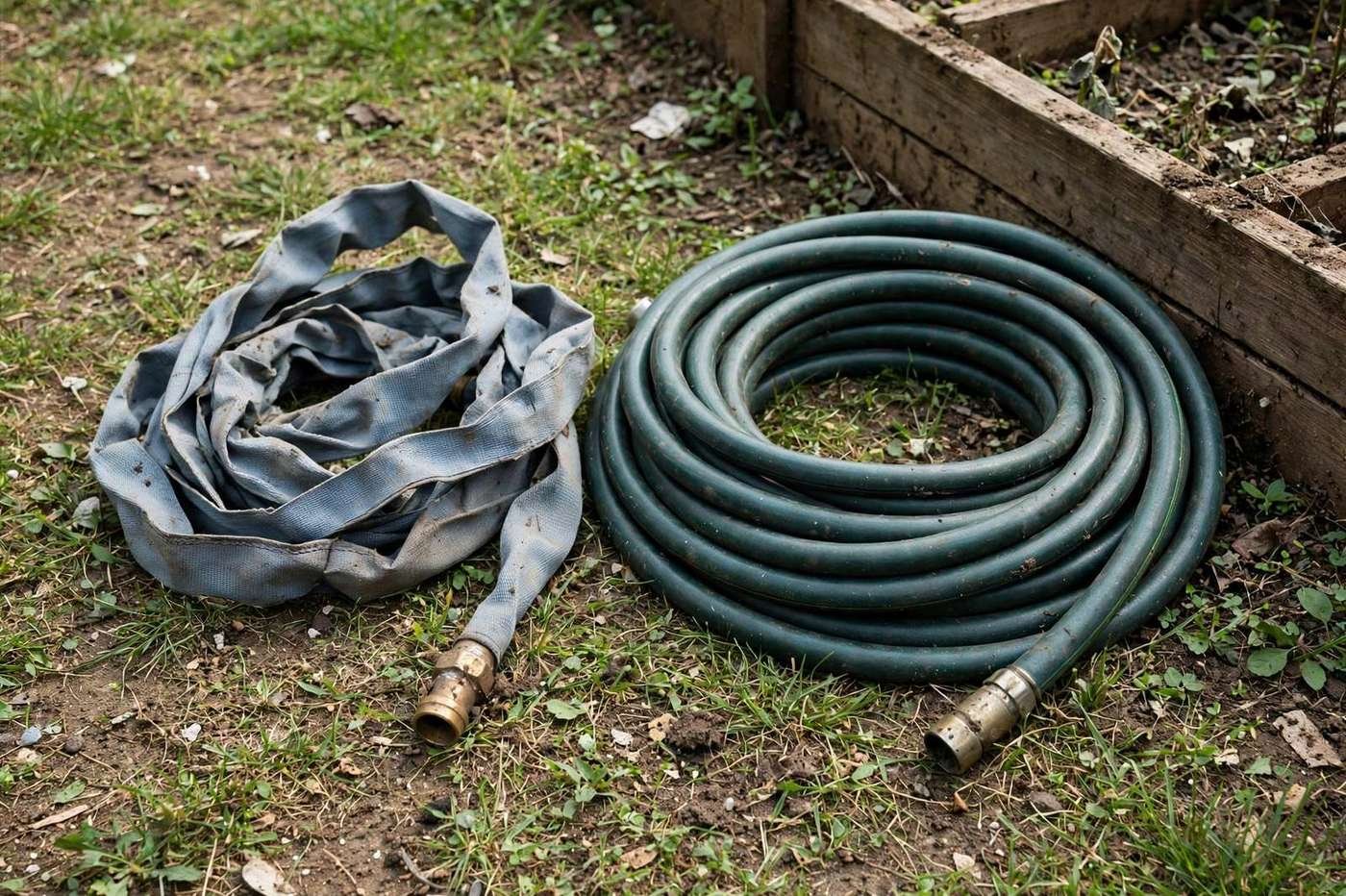
An expandable hose wins on weight and storage while a traditional hose wins on steady flow and toughness. This head-to-head puts numbers on both so you can pick the type that fits your yard.
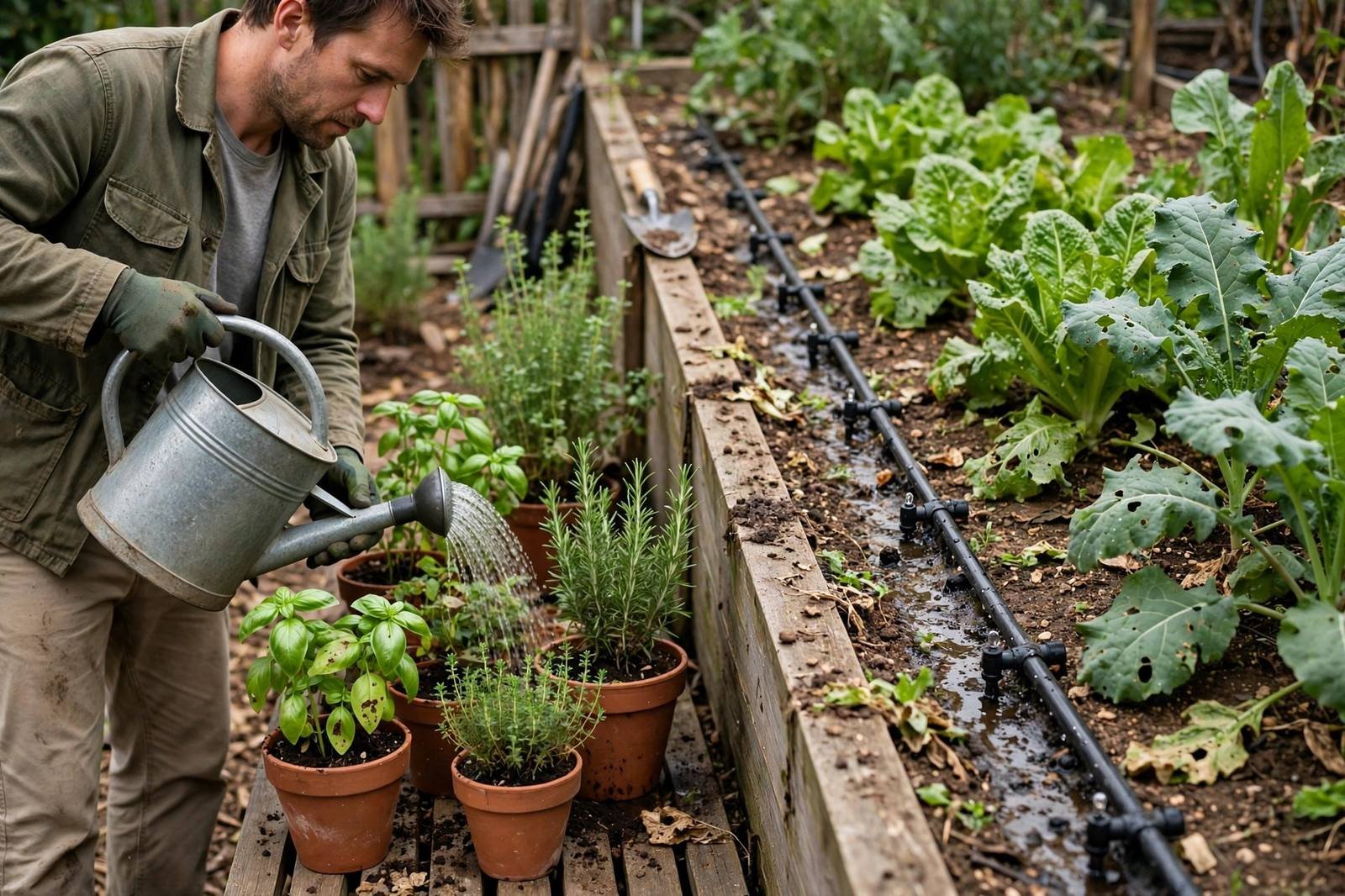
Manual watering gives control and a daily look at every plant, while automatic irrigation gives steady timing when you are busy or away. This comparison weighs time, plant health, and what goes wrong with each.
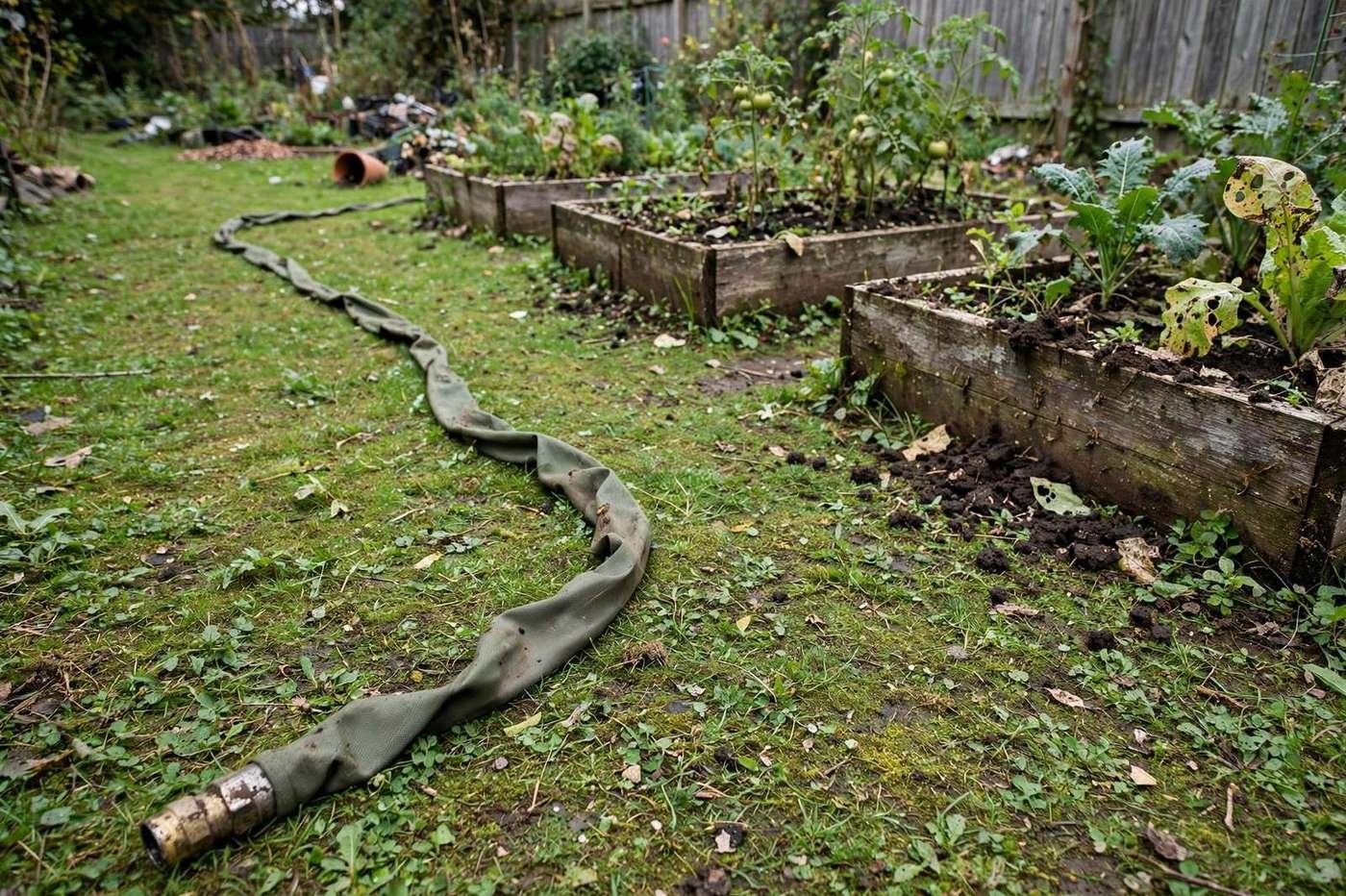
An expandable hose shrinks to a light coil when drained, which makes it easy to carry and store in a small yard. This guide works out the water weight in a 50-foot hose, and shows where a standard hose still wins.
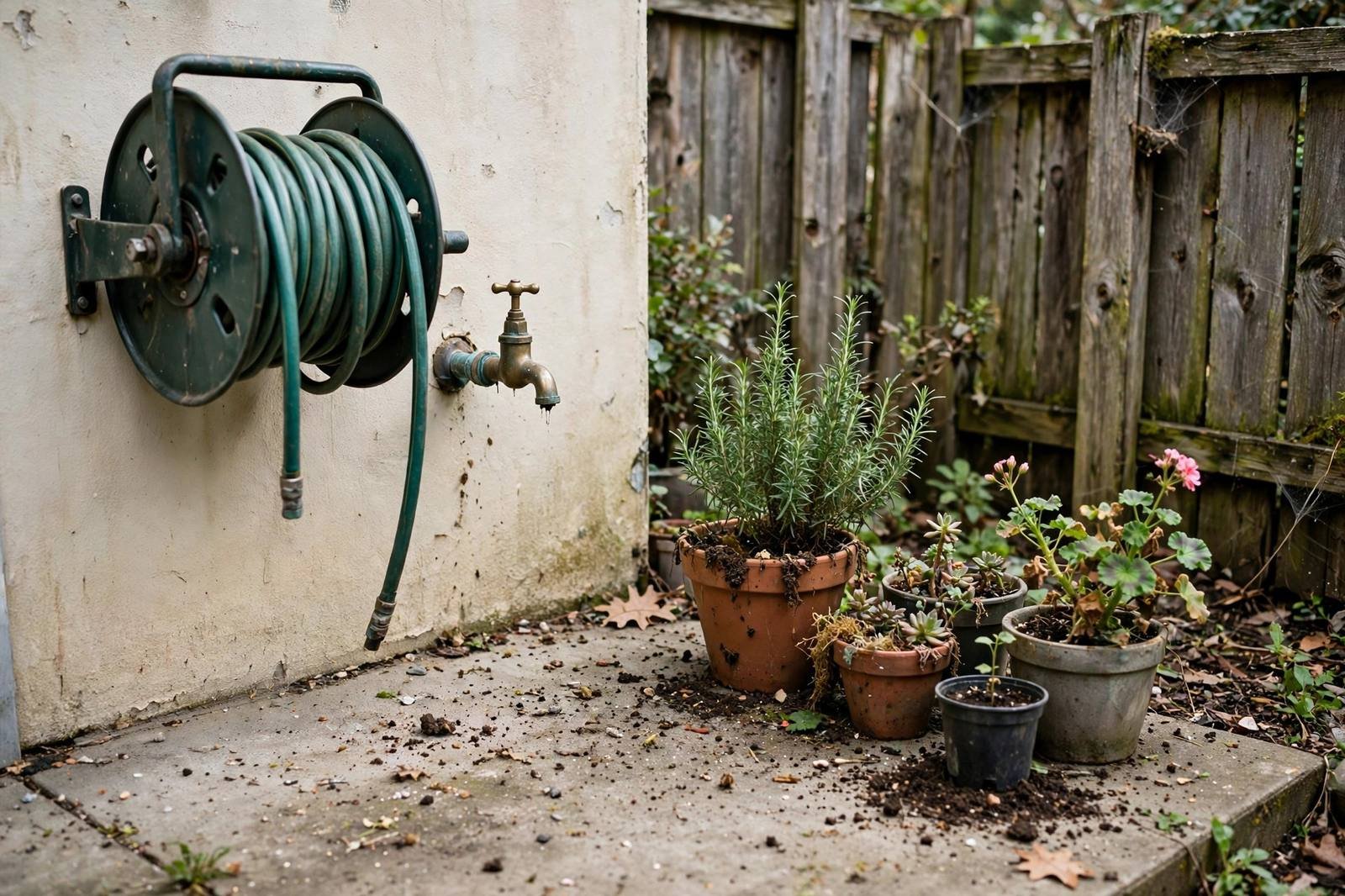
A hose reel keeps a garden hose off the path and ready to unwind without tangles. This guide works out the hose length a 20 by 30 foot yard needs, then compares wall-mount, freestanding, and cart reels.
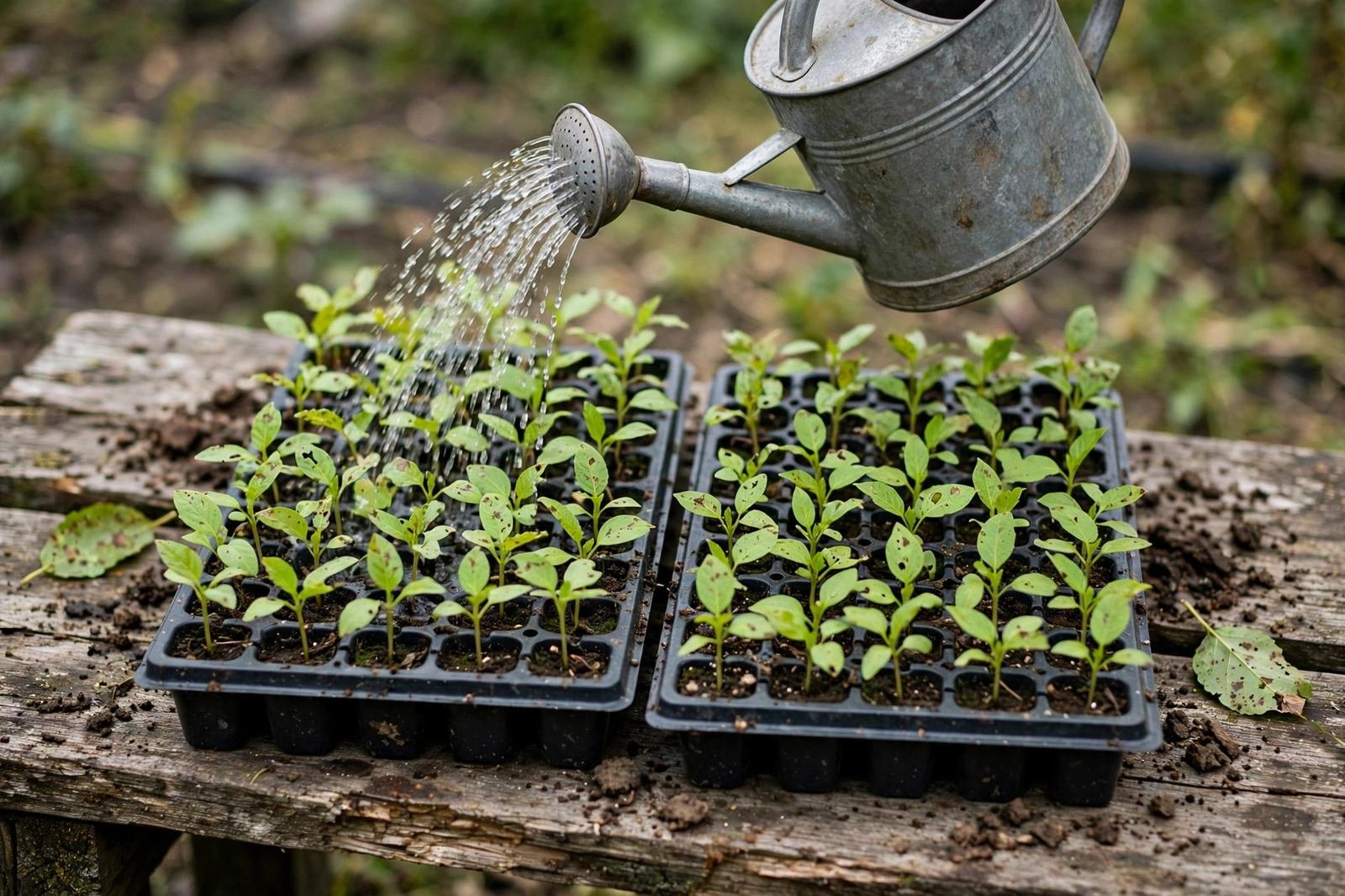
A fine-rose can waters seedlings without flattening them or washing out the mix. This guide covers rose type, size, and balance, with a worked example for four trays.
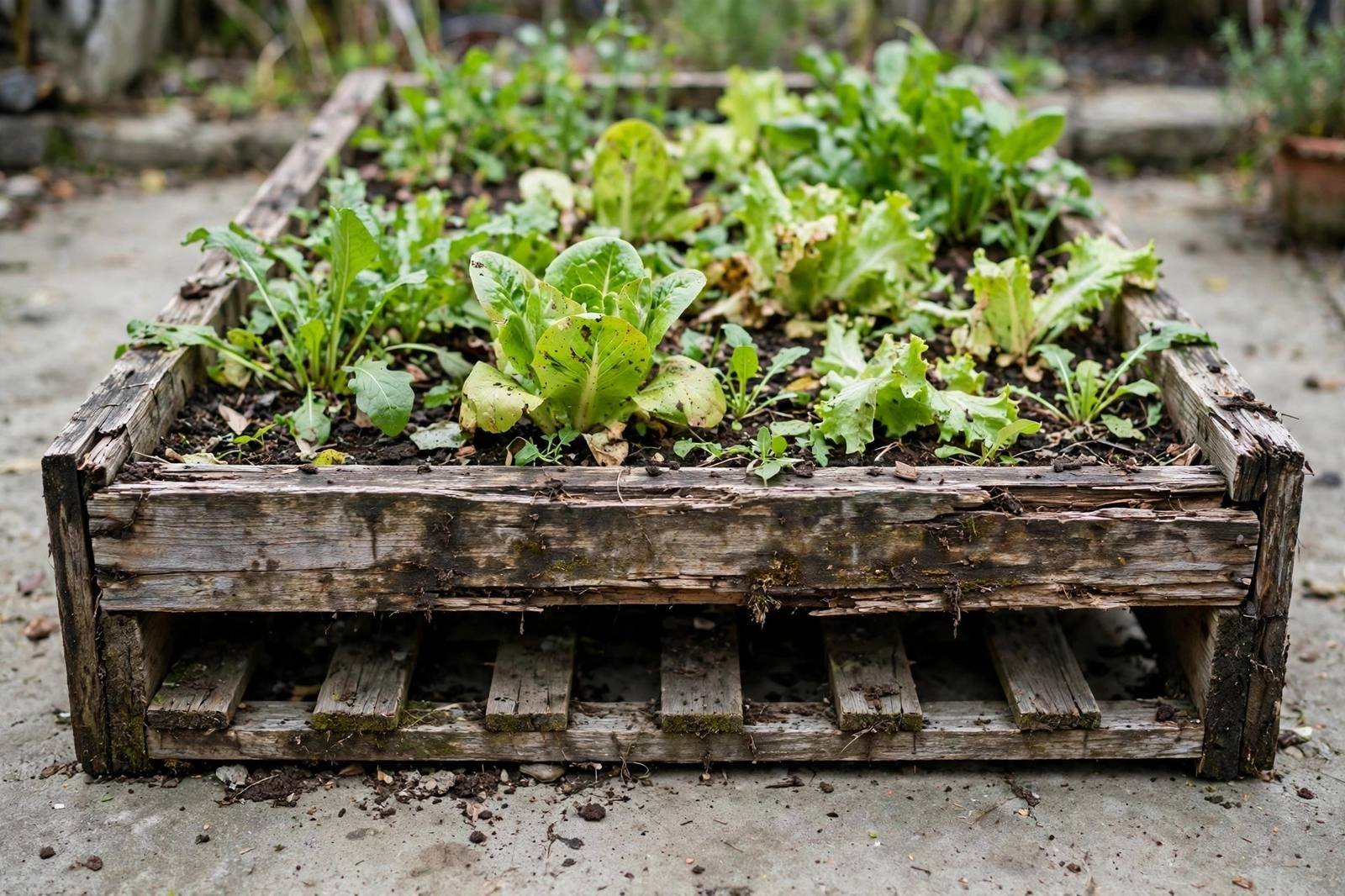
A bed on concrete works with a drained base and an air gap underneath, with 32 cubic feet of soil and 32 drainage holes for a 4 by 8 bed.
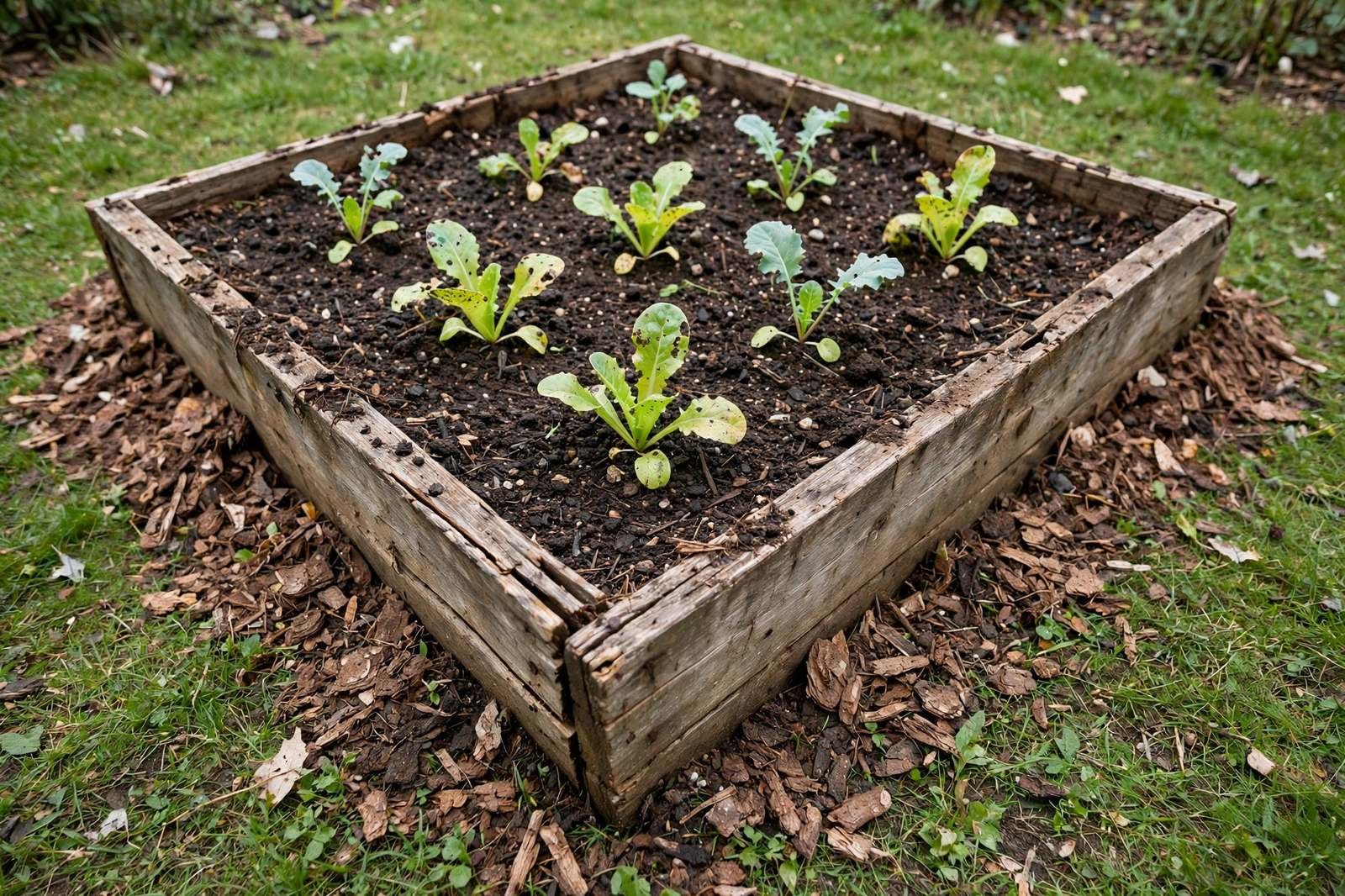
Mow short, lay overlapped cardboard, and fill to the top: a bed on grass needs no digging, just edge patrol and one top-up after settling.
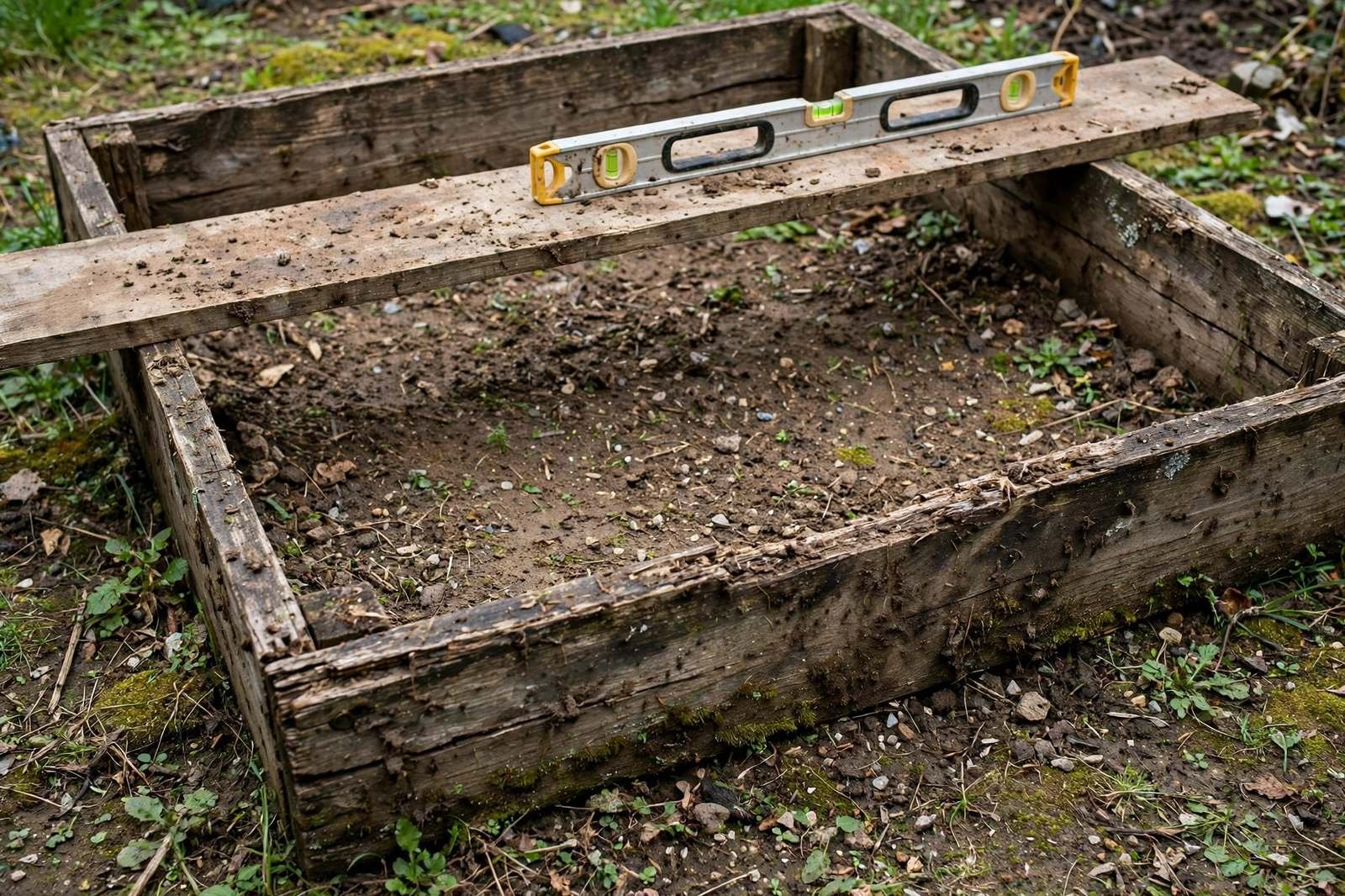
Measure with a long level before filling, raise the low end with bricks or boards, pack the gap, and recheck after the first heavy rain.
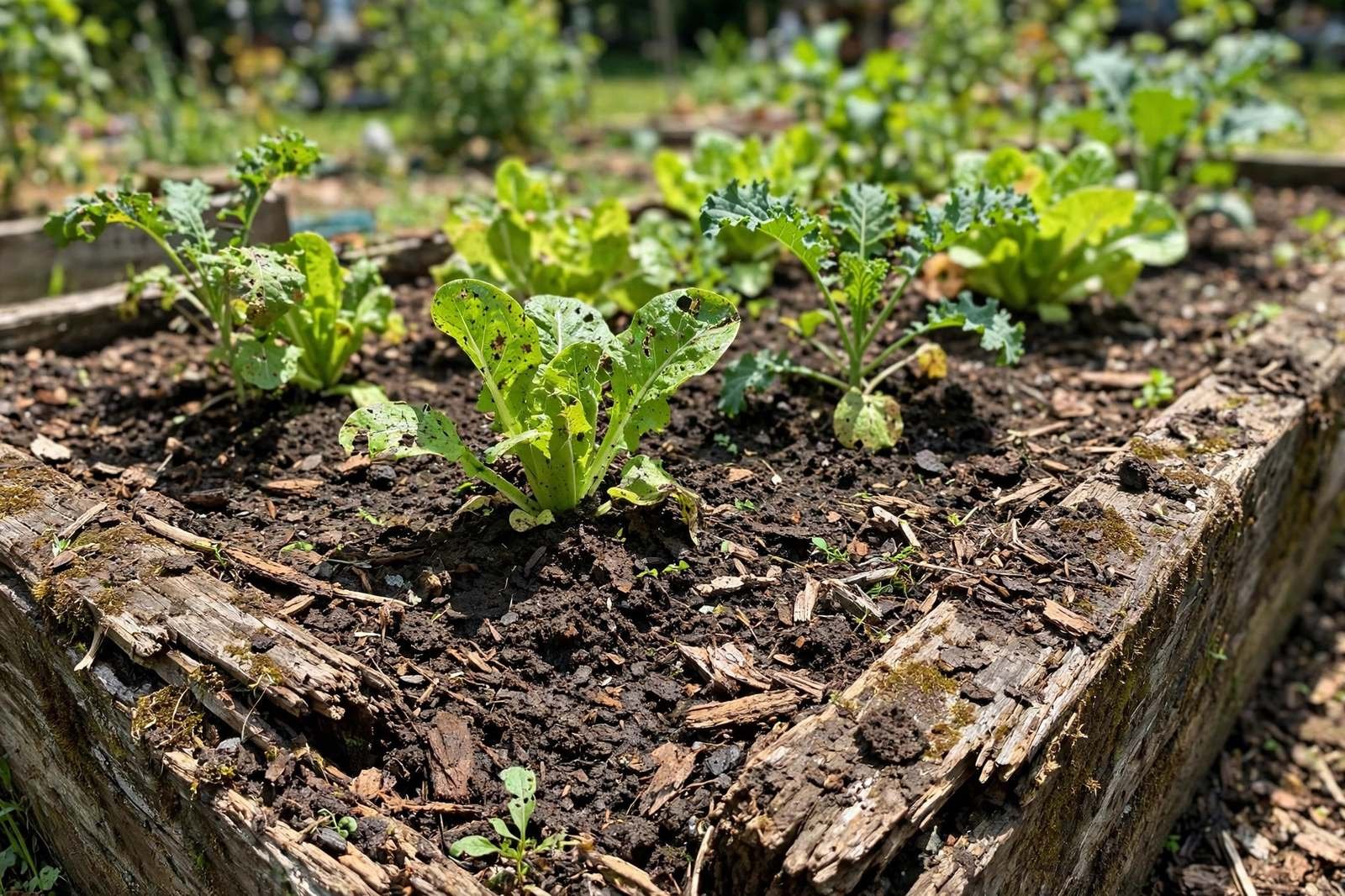
Mulch 3 inches thick, water in two passes, and check moisture at 2 inches deep: a 4 by 8 bed needs about 20 gallons a week in mild weather.