
This post may contain affiliate links. If you buy through links on this page, we may earn a commission at no extra cost to you.
As an Amazon Associate I earn from qualifying purchases.
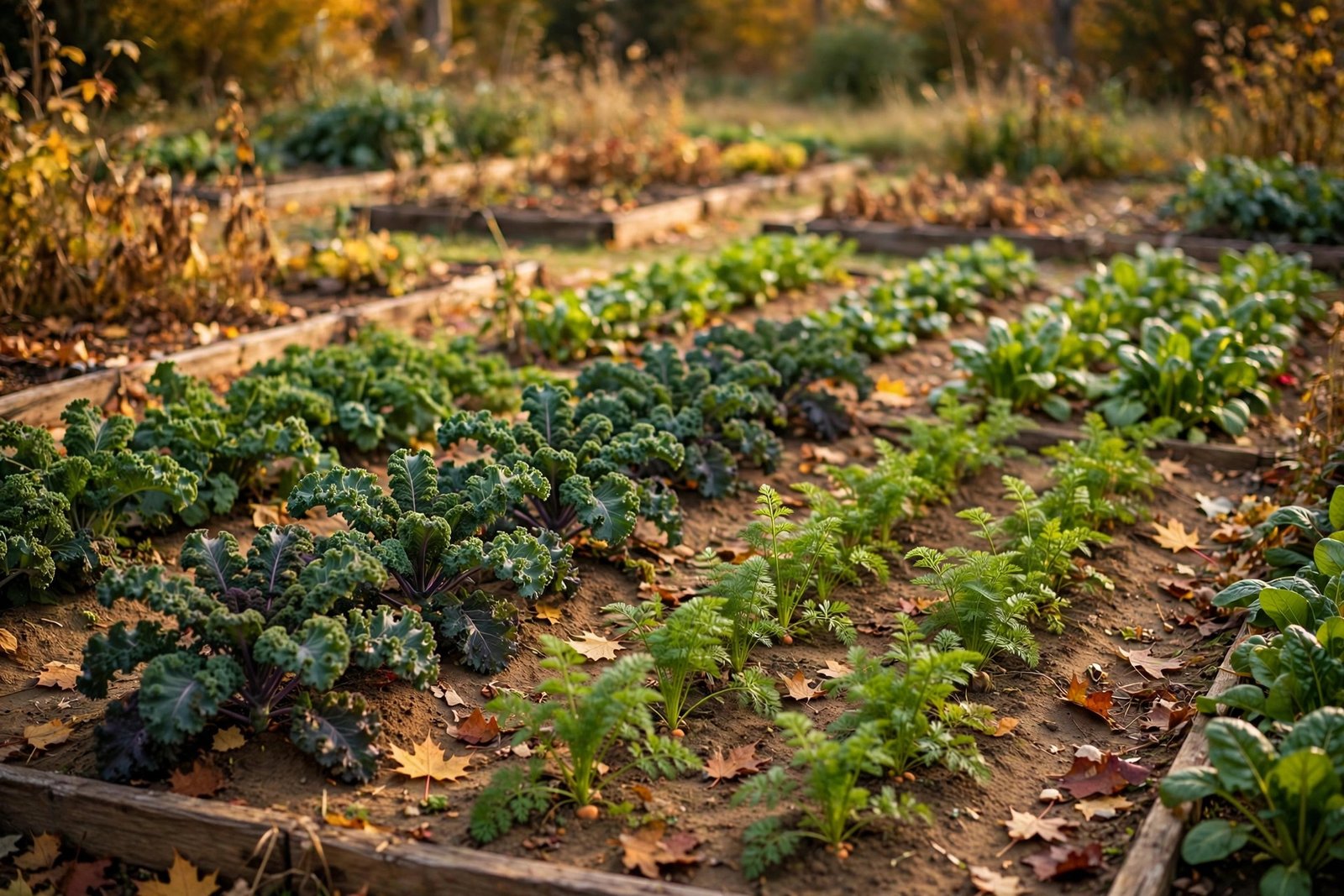
Most gardeners treat October as the end of the season. The tomatoes are finished, the beds look tired, and the seed packets get filed away until spring. That’s the instinct — and it’s costing you some of the best gardening weeks of the year.
Here’s the thing: cool-season vegetables don’t just tolerate fall weather. They prefer it. After a light frost, crops like kale, carrots, and spinach convert starches to sugars, which is why kale harvested in November tastes noticeably sweeter than the same kale harvested in September. Pest pressure collapses, weeds slow to a crawl, and watering drops from a daily chore to a twice-a-week afterthought.
Extension services across the country list October as a prime planting month for exactly this reason — it’s one of the most reliable windows for cold-hardy crops, backed by decades of trial data rather than garden-center hype.
In this guide, you’ll learn the simple frost-date math that makes fall planting work, 15 vegetables worth planting now (each with a variety pick and real spacing), a zone-by-zone cheat sheet, and the succession trick that keeps harvests coming instead of arriving all at once.
Quick Care Overview: What October Crops Want
Nearly every crop below shares the same basic preferences — cool air, steady moisture, and decent soil. This table is the cheat sheet; individual entries give exact depth and spacing.
| Care factor | What October crops want |
|---|---|
| Scientific name | Varies by crop — alliums, brassicas, and leafy greens are all represented below |
| Light | Full sun preferred; leafy greens tolerate partial shade (4–6 hours) |
| Water | About 1 inch per week; less than summer, since cool air slows evaporation |
| Soil | Loose, well-drained, pH 6.0–7.0, enriched with compost |
| Temperature | Most germinate best in 50–75°F soil; many survive into the 20s °F with row cover |
| Fertilizer | Light-feeding season — compost at planting is usually enough |
| Common pests | Flea beetles, slugs, cabbage worms (waning), aphids |
The Frost-Date Math That Makes Fall Planting Work
Every seed packet lists “days to maturity.” In fall, that number runs a little optimistic — shorter days and cooler soil slow everything down. The standard fix is to add about 14 days (the “fall factor”) to the packet number, then count backward from your average first fall frost date. That’s it. That’s the whole formula.
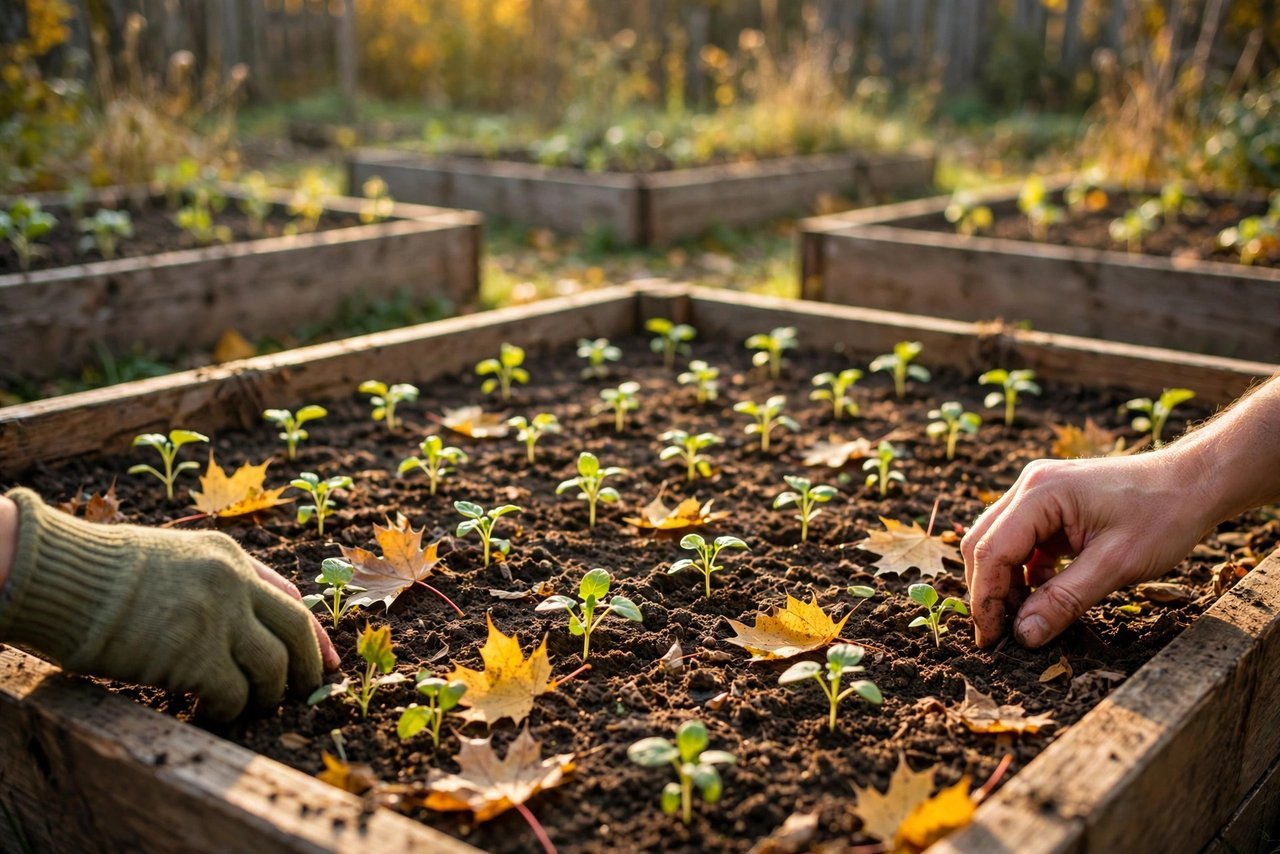
Example: spinach ‘Tyee’ matures in 45 days. Add 14 for the fall factor and you get 59 days. If your first frost lands around October 25, count back 59 days and your sow-by date is roughly August 27. Most seeds germinate best when soil is still above 50°F, and a soil thermometer pressed two inches down tells you that in about ten seconds.
Now the good news: you’re really choosing between two strategies. Fast crops mature before hard freezes arrive (radishes, arugula, baby greens). Hardy crops settle in now and feed you through the cold (kale, spinach, garlic, carrots under mulch). Many cool-season crops survive — and keep growing slowly — well past the first frost, especially under a simple row cover.
Look up your first fall frost date through your county extension office; it’s the single most useful number in this whole guide. If frost dates are new to you, our beginner’s guide to starting a vegetable garden walks through the basics first.
15 Vegetables to Plant in October
Don’t try to plant all fifteen — pick three or four that fit your zone and your appetite, and do those well. Before anything goes in, give tired summer beds a 1- to 2-inch top-up of finished compost and rake it level. Each entry below gives you a variety pick, days to maturity, and real spacing so you can plant straight from this page.
Set It and Forget It
1. Garlic — The classic October planting. Push cloves 2 to 3 inches deep and 6 inches apart, about 2 to 4 weeks before the ground freezes, then mulch with 4 to 6 inches of straw. Try ‘Music’ (hardneck, big easy-peel cloves) or ‘Inchelium Red’ (softneck, stores for months). Hardy in zones 3 through 9. Order seed garlic for planting now — popular varieties sell out by September. You won’t harvest until July, but October is when the work happens.
Related Post: How to Plant Garlic in the Fall: A Step-by-Step Guide
Fast Greens (Ready in 25 to 45 Days)
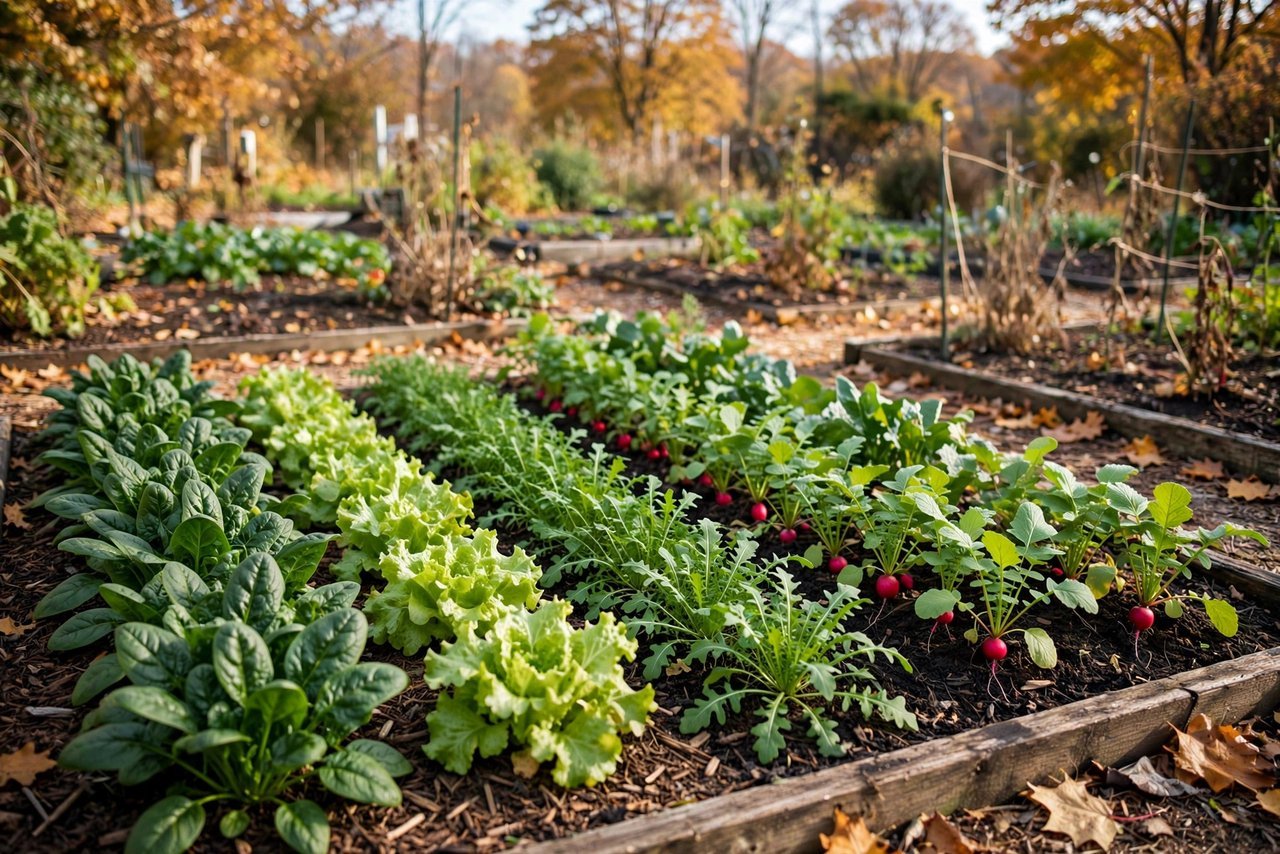
2. Spinach — ‘Tyee’ is the fall standard: 45 days to maturity, slow to bolt, and cold-hardy enough to overwinter under cover in zone 6. Sow 1/2 inch deep. In zones 5 and 6, October sowings need row cover to size up before hard cold arrives.
3. Arugula — ‘Astro’ matures in 21 to 35 days, and its peppery bite mellows to something almost sweet after a light frost. Sow 1/4 inch deep, 4 inches apart. It’s one of the fastest payoffs in the fall garden, and it earns its spot on our easiest vegetables for beginners list for good reason.
4. Lettuce — ‘Winter Density’ is a cold-tolerant romaine that matures in 28 days as baby leaf or 45 days full-size, shrugging off frosts into the mid-20s °F. Sow 1/4 inch deep. In zones 7 and up, October sowings will head up; in zones 5 and 6, plan on baby-leaf harvests under cover — or grow it in pots, since lettuce is a star of container gardening too.
5. Mustard greens — ‘Osaka Purple’ or ‘Red Giant’ go from seed to harvest in 21 to 40 days, and a frost turns their bite spicy-sweet. Sow 1/2 inch deep, thin to 6 inches apart. Gorgeous enough to earn a front-row spot in the bed.
6. Cilantro — ‘Slow Bolt’ lives up to its name in cool weather, giving you roughly 50 days of leaves where a summer sowing would flower in three weeks. Sow 1/4 inch deep. Cilantro genuinely prefers October to April in zones 7 through 10.
Roots That Sweeten in the Cold
7. Radishes — ‘French Breakfast’ is ready in 21 to 25 days, making it the safest October bet in almost every zone. Sow 1/2 inch deep and 2 inches apart, and keep sowing every 10 days until the soil drops near 40°F.
8. Carrots — ‘Nelson’ (58 days) is sweet, uniform, and reliable. October sowing works in zones 7 and warmer, or under row cover in zone 6 — anywhere colder, the roots won’t size up in time. Where they do grow, a frost makes them noticeably sweeter. Loose, stone-free soil matters here; raised beds are ideal for straight roots.
9. Beets — ‘Detroit Dark Red’ matures in 55 to 60 days and gives you two harvests in one: roots and greens. Realistic for October in zones 7 and up. Sow 1/2 inch deep, thin to 4 inches apart.
10. Turnips — ‘Hakurei’ is the fast one: tender salad turnips in 38 days, edible greens in 18. That speed makes it one of the few roots genuinely worth sowing in October in zones 5 through 7, especially under cover.
Hardy Greens for the Long Haul
11. Kale — ‘Red Russian’ and ‘Winterbor’ survive temperatures into the low 20s °F and taste better with every frost. In October, set out transplants rather than seed in zones 6 through 8 — they’ll establish before the cold and feed you all winter. Space 12 to 18 inches apart.
12. Collard greens — ‘Georgia Southern’ is the traditional Southern fall green for a reason: it shrugs off frost and sweetens dramatically after it. Set out transplants in October in zones 6 through 8, 18 inches apart.
Alliums and Legumes
13. Scallions (green onions) — ‘Evergreen White’ can be sown thickly in October — 1/2 inch apart in a band — and harvested at pencil thickness through fall and again in spring. Hardy enough to overwinter in zone 6 and warmer with mulch.
14. Peas — Zones 7 and warmer only. ‘Oregon Sugar Pod II’ sown in early October (about 60 days) can give you a genuine fall harvest before hard cold arrives. Sow 1 inch deep, 2 inches apart, and give them something to climb.
15. Fava (broad) beans — For mild climates, zones 7 through 10. ‘Windsor’ or ‘Aquadulce Claudia’ sown in October establish roots over winter and take off in early spring, weeks ahead of spring-sown beans. Plant 2 inches deep, 6 inches apart.
Zone-by-Zone Cheat Sheet
Your zone doesn’t change the math — it changes the menu. Find your line and plant accordingly.
- Zones 3–4: October is garlic month, full stop. Tuck in your cloves, mulch heavily, and plan the rest of the list for spring.
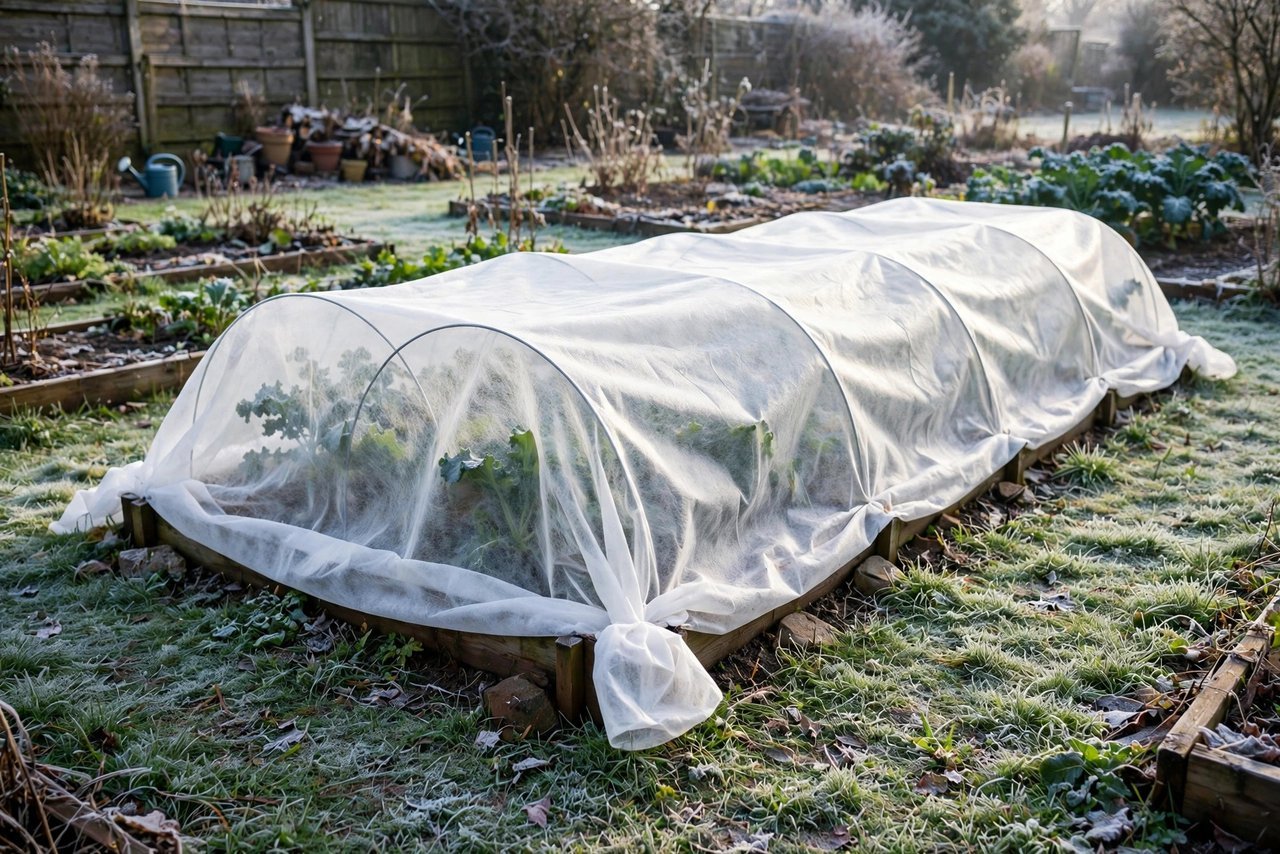
- Zones 5–6: Garlic plus the fast crops — spinach, arugula, lettuce, radishes, turnips, scallions — all under a floating row cover, which buys you roughly 4 to 6 degrees of frost protection. Kale and collard transplants will overwinter with cover.
- Zones 7–8: Nearly the whole list is fair game, including carrots, beets, peas, and fava beans. Row cover still helps on the coldest nights.
- Zones 9–10: October is prime time, not the tail end. The full list applies, and you can keep sowing fast greens every few weeks straight through winter.
The Succession Sowing Trick
Don’t plant all your fall greens on one day. Sow fast crops — radishes, arugula, lettuce, spinach — every 10 to 14 days through October, and you’ll harvest continuously instead of getting one big flush followed by nothing. Each sowing takes five minutes. Typically, the October 1 radishes are long gone by the time the October 20 sowing is ready — and that’s exactly the point.
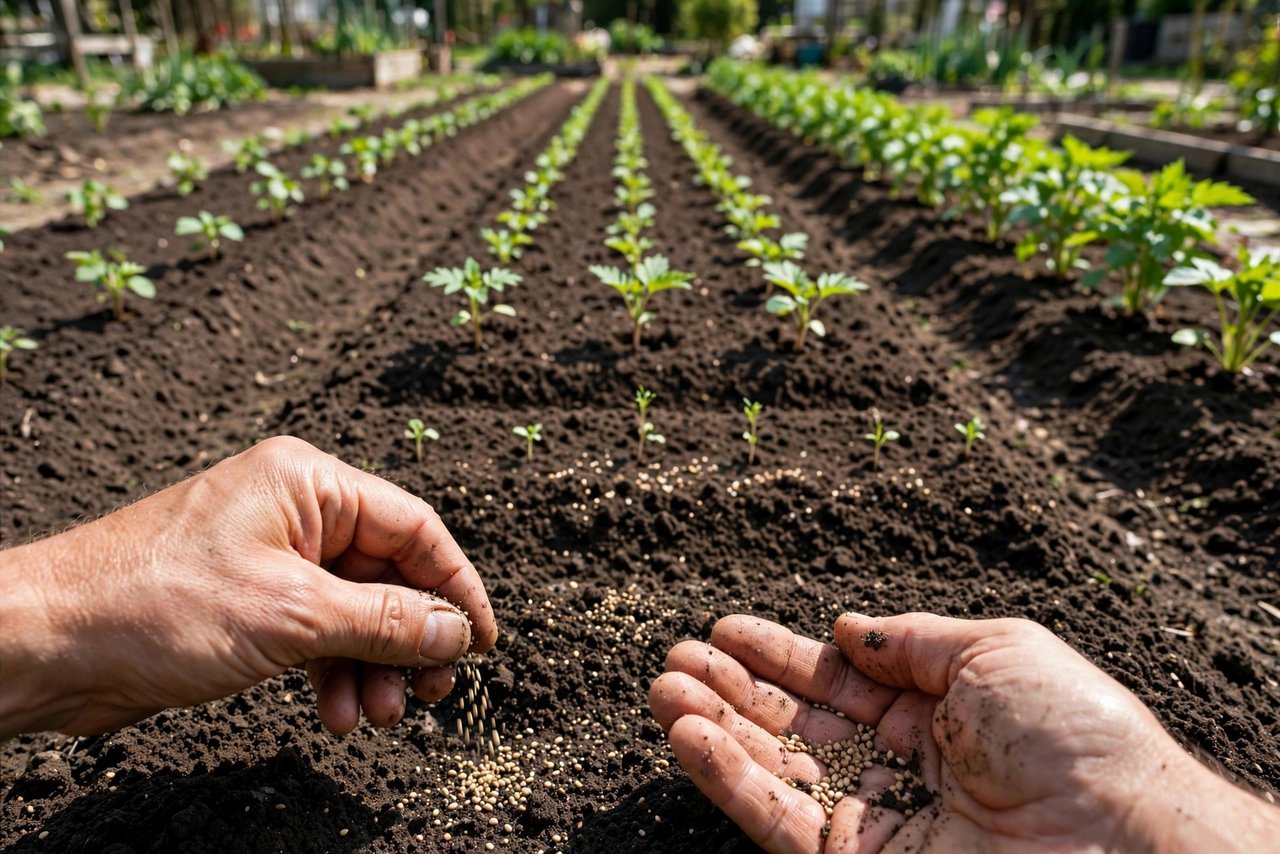
One caution: as days shorten, each successive sowing grows a little slower. Your late-October arugula may take 35 days instead of 25. That’s normal — just give it the time.
Related Post: Fall Garden Cleanup: 12 Things to Do Before Winter — while you’re out there with the seed packets, knock out the season’s other jobs too.
Troubleshooting: Common October Planting Problems
Fall planting is forgiving, but a few things trip people up. Here’s what to do when they do.
Nothing sprouted — now what?
Three usual suspects: seed buried too deep (most fall seeds want 1/4 to 1/2 inch), soil gone cold and dry, or old seed that lost viability. Scratch the surface — if the seed is still there and firm, water well and give it a few more days. If it’s mush, re-sow; October gives you time for a second try on fast crops. For slow crops like kale, switch to transplants from the garden center instead of gambling on a late sowing.
Seedlings stalled after a cold snap
This is normal, not a failure. Cool-season seedlings pause growth when nights drop into the 30s and resume when it warms — they’re conserving energy, not dying. Resist the urge to fertilize them into growing; extra nitrogen on stalled seedlings just feeds weeds. A row cover over the bed smooths out the temperature swings and gets them moving again faster.
Everything’s growing slower than the packet promised
That’s the fall factor doing its thing — the packet number assumes long, warm June days. Add roughly two weeks to every maturity date, and don’t be shy about harvesting smaller. Baby spinach at 25 days is a feature, not a consolation prize.
Slugs and flea beetles found the greens
Fall doesn’t mean pest-free — slugs love damp October beds, and flea beetles can still riddle arugula and mustard. A floating row cover doubles as a pest barrier (no chemicals needed), and pulling mulch back a few inches from young seedlings removes slug hiding spots. Pick off offenders in the evening when slugs are active.
FAQs About Planting in October
My first frost already passed. Is it too late?
Not necessarily. A light first frost is just a warning shot — garlic, transplants of kale and collards, and even fast greens under row cover can all go in after it. What’s truly too late: sowing slow roots like carrots in zone 5 without protection. When in doubt, plant garlic; it genuinely prefers you do it now.
Do I need a cold frame or greenhouse?
No. For most of this list, a simple floating row cover is enough protection. Cold frames earn their keep in zones 5 and below if you want January harvests — but they’re an upgrade, not a requirement.
Can I start seeds indoors and transplant instead?
For kale, collards, and lettuce, yes — transplants are actually the recommended move in October. For roots (radishes, carrots, beets, turnips), no — they hate transplanting and do far better direct-sown. When in doubt, direct sow.
Which crop is the safest bet for a first fall garden?
Radishes. They’re ready in three weeks, germinate in cool soil without complaint, and give you a win fast enough to build confidence for everything else. Arugula is a close second.
Can I do all of this in containers?
Absolutely — fast greens, radishes, scallions, and lettuce all thrive in pots, and containers are easier to drag under cover on cold nights. Our container gardening guide covers pot sizes and potting mix for each.
Have a question I didn’t cover? Drop it in the comments — I’ll do my best to point you in the right direction.
More Fall Gardening Posts to Explore
- How to Plant Garlic in the Fall: A Step-by-Step Guide
- Fall Garden Cleanup: 12 Things to Do Before Winter
- How to Make Compost at Home: A Beginner’s Guide
- Raised Bed Gardening for Beginners: Size, Soil, and Layout
- 10 Easiest Vegetables to Grow for Beginners
- 7 Best Raised Garden Beds for 2026
October Is a Beginning, Not an Ending
A fall garden asks less of you than a summer one — less water, fewer pests, no daily harvest panic — and it pays you back with the sweetest greens of the year. Pick three or four crops from the list that fit your zone, get them in the ground this week, and you’ll be harvesting while your neighbors are raking leaves.
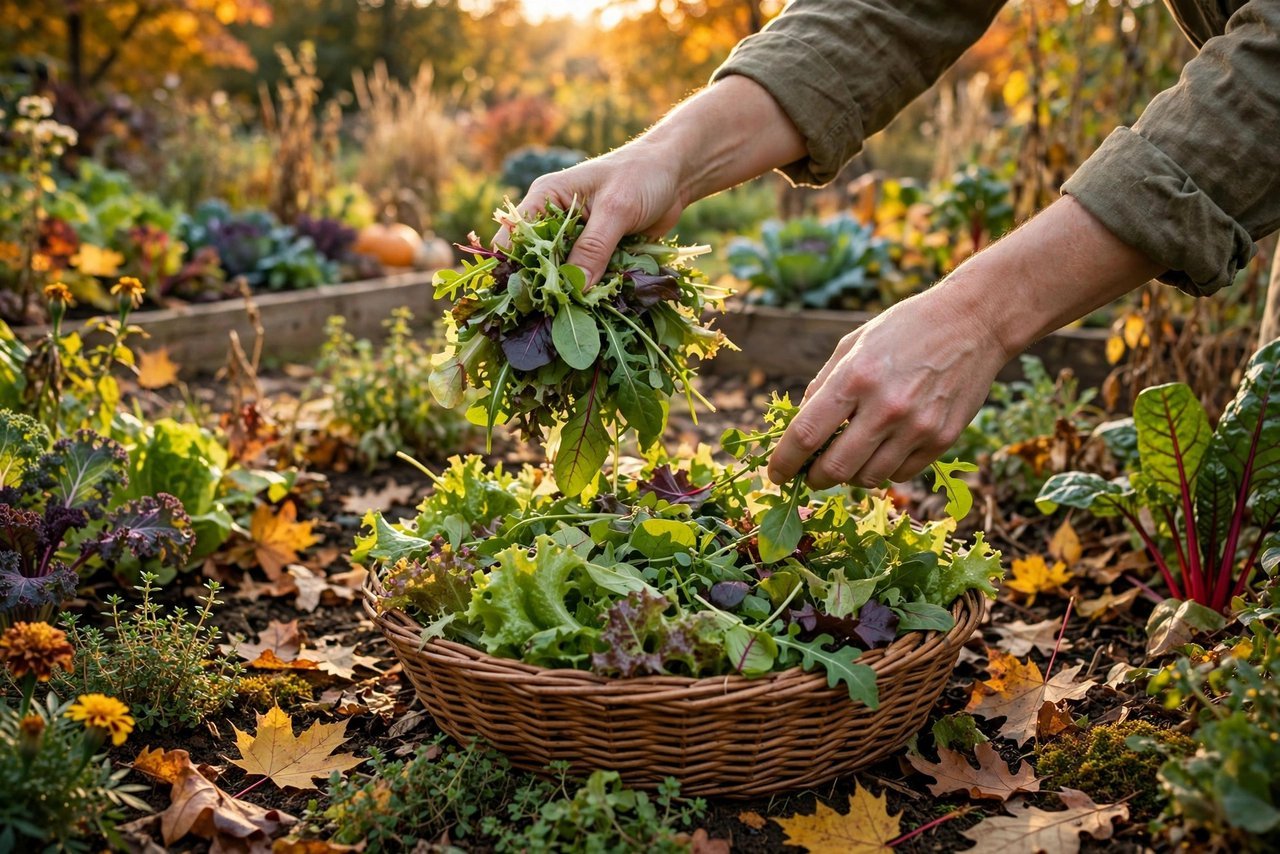
So — which three crops are going into your ground this week? Tell me in the comments.