

This post may contain affiliate links. If you buy through links on this page, we may earn a commission at no extra cost to you.
As an Amazon Associate I earn from qualifying purchases.
A cheap trowel that bends in its second season costs more than a good one that lasts fifteen. The hard part is knowing which tools land on which side of that line before you buy. This guide runs simple cost-per-season math on the gear gardeners replace most often, so you can spend where the premium pays back and save where it does not. We did not run product trials for this guide. The numbers below are arithmetic on typical retail prices and realistic lifespans, with every assumption stated so you can rerun them with your own prices. If you are still assembling your first kit, start with our guide to what garden tools a beginner actually needs, then use this page to decide where the upgrades go.
The quick version: splurge or save
| Gear | Cheap route | Premium route | Our call |
|---|---|---|---|
| A hand trowel | Stamped steel, about $8 | Forged one-piece steel, about $30 | Splurge |
| Work gloves | Cotton 3-pack, about $12 | Goatskin leather, about $28 | Splurge |
| Hose timer | Memory and a kitchen timer | Battery-powered timer, about $45 | Splurge if you run a sprinkler |
| Grow light | Budget purple panel, 40 W, about $25 | Full-spectrum bar, 24 W, about $60 | Splurge for repeat seed starters |
| Nursery pots | Thin plastic, often free with plants | Heavy “forever” pots | Save |
| Bamboo stakes | 6-foot bundle, a few dollars | Coated metal stakes | Save for annuals |
| Kneeling pad | Basic foam pad | Padded “ergonomic” kneeler | Save |
| Jute twine | Basic ball of twine | Branded garden twine | Save |
How we did the math
Cost per season is price divided by realistic lifespan. A $30 tool that serves fifteen seasons costs $2 per season; an $8 tool that gives out after two costs $4. The sections below use typical retail prices we see online and lifespans we consider realistic for regular home use. Those lifespans are planning estimates based on how each tool is built, not failure data from a lab, and your mileage will vary with soil, climate, and how hard you are on tools.
Worth the splurge
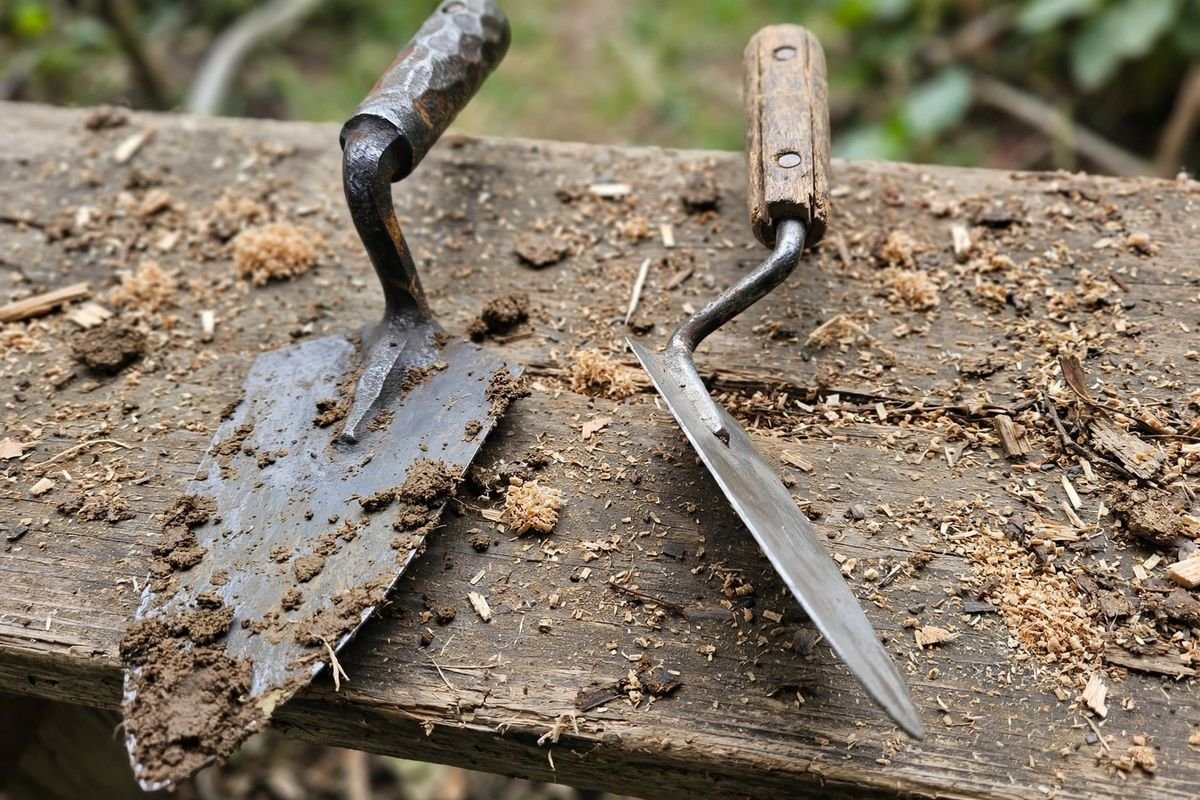
A forged one-piece hand trowel
A stamped steel trowel costs about $8 and, in regular use, the blade bends or the handle rivets loosen in about two seasons: $8 / 2 = $4.00 per season. A forged one-piece trowel costs about $30; blade and shank are a single piece of steel with no rivets to fail, and fifteen seasons is a conservative planning number: $30 / 15 = $2.00 per season. Over fifteen seasons you would buy roughly seven cheap trowels ($56) against one good one ($30). The premium pays for itself almost twice over, before you count the time saved on tools that do not bend mid-job. For the full breakdown of what to look for, see our guide to the best hand trowels for gardening.
Leather work gloves
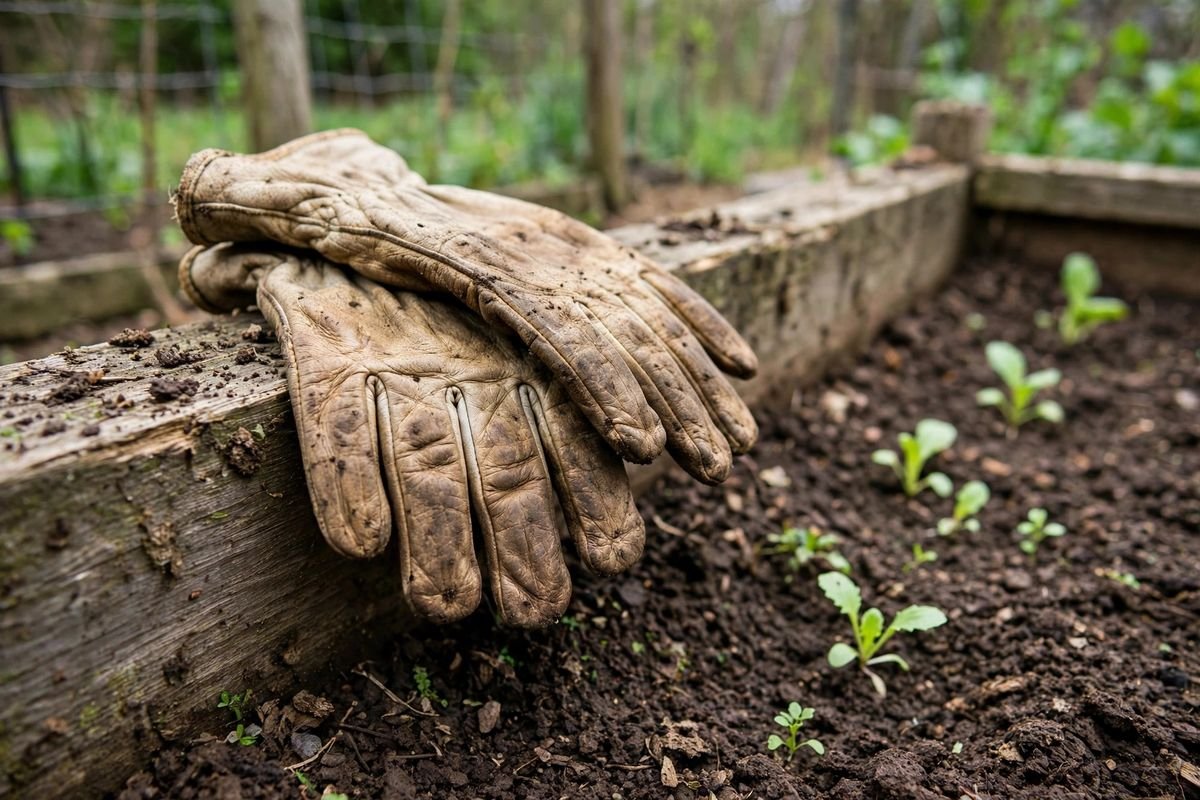
A three-pack of cotton gloves costs about $12 and lasts one season of real digging before the fingertips wear through: $12 / 1 = $12.00 per season. A pair of goatskin leather gloves costs about $28 and holds up for about three seasons of the same work: $28 / 3 = $9.33 per season. Leather wins on the numbers and on dexterity: you can feel seed packets, twist ties, and small stems through it, which cotton never quite allows.
A battery-powered hose timer
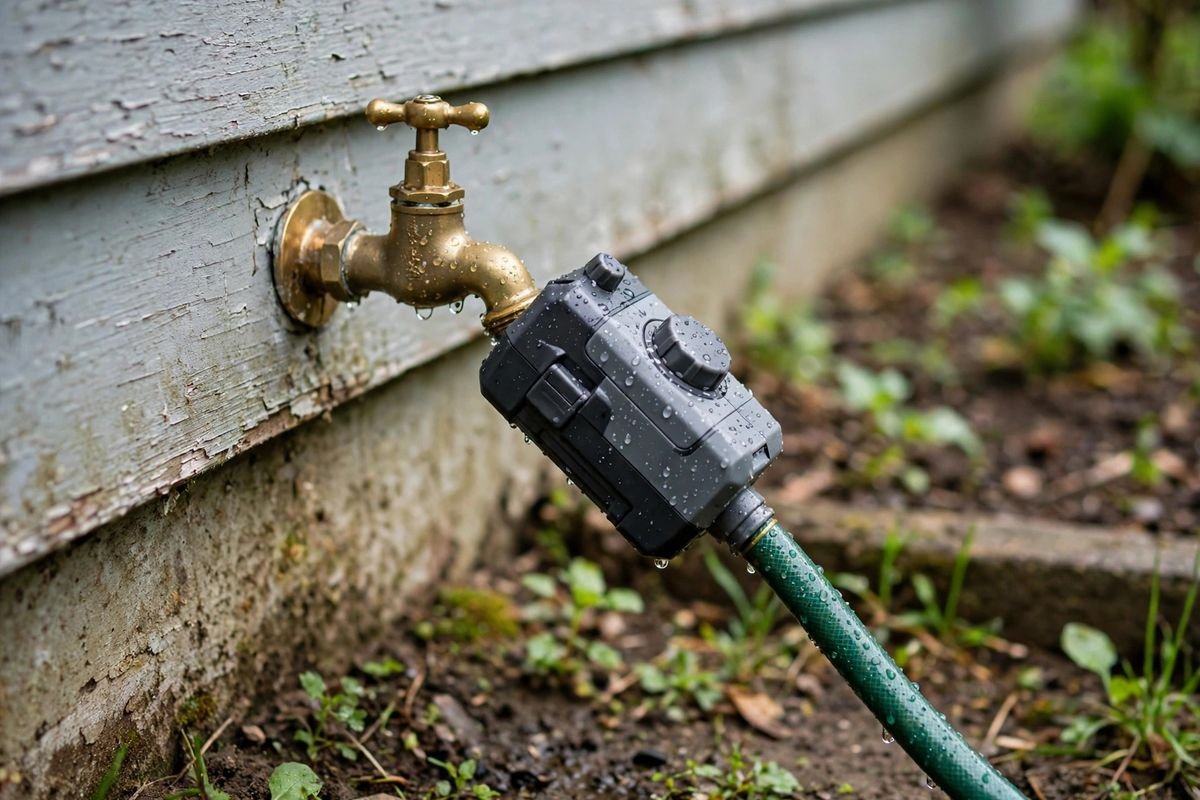
Assume a typical oscillating sprinkler moves about 8 gallons per minute at household pressure, and that you forget the sprinkler twice each summer, leaving it on 60 extra minutes each time: 2 x 60 x 8 = 960 gallons wasted per year. At an assumed combined water and sewer rate of $0.015 per gallon, that is $14.40 a year down the driveway. A battery timer costs about $45, so it pays for itself in about three summers, then keeps paying. Batteries run about $2 a year. If you water with a can or run drip on a schedule you already keep, skip it; the timer only earns its keep against forgetfulness.
A full-spectrum grow light bar
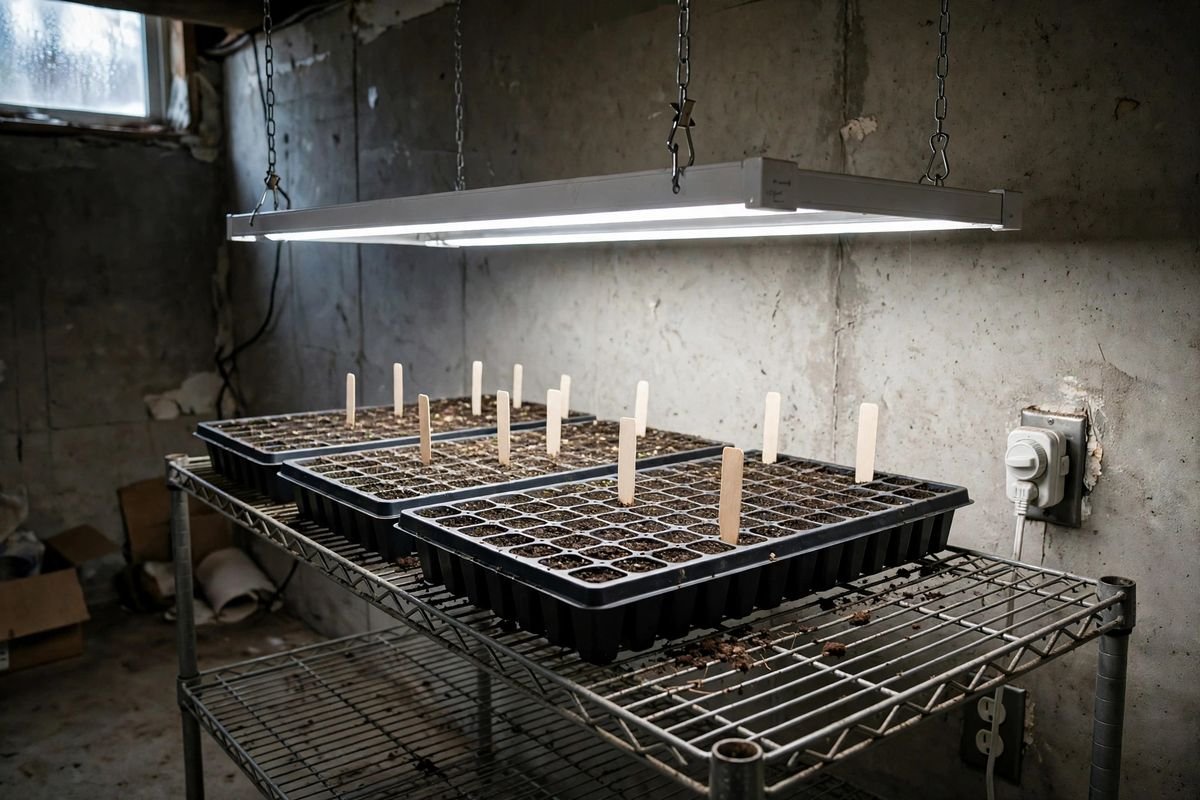
A budget 40-watt purple panel costs about $25; a 24-watt full-spectrum bar costs about $60. Running either 14 hours a day for a 60-day seed-starting season: the panel uses 40 x 14 x 60 / 1,000 = 33.6 kWh; the bar uses 24 x 14 x 60 / 1,000 = 20.16 kWh. At an assumed $0.16 per kWh, that is $5.38 versus $3.23 per season, a difference of $2.15, which alone would never justify the upgrade. The case for the bar is light quality and lifespan: white light lets you spot pale leaves and early problems that a purple glow hides, and cheap panels dim noticeably after two or three seasons while a good bar keeps its output for many. If you start seeds one spring and never again, the cheap panel is the rational buy; if you start seeds every year, the bar wins. Our guide to the best grow lights for seedlings has the full comparison.
Where cheap wins
Plants do not read price tags. Thin plastic nursery pots hold soil exactly as well as thick ones, and many garden centers give used pots away or sell stacks for a few dollars, so ask before you buy new. A bundle of bamboo stakes does the job for annuals at a fraction of the cost of coated metal. A basic foam kneeling pad cushions your knees as well as the padded versions; comfort here comes from thickness, not branding. And jute twine is jute twine. Before any big order, run through our garden gear buying checklist for new gardeners so the money goes to the right shelf.
Pruning shears sit just outside this guide’s math because they deserve their own deep dive, which we gave them. The short version: shears are the classic splurge, since the tool you reach for most often is the one worth buying well. Our guide to the best pruning shears for home gardeners covers what to look for.
When to ignore this guide
The math above assumes a gardener who is out there most weeks of the season. If you garden once a month and your tools live in a dry shed, cheap gear lasts far longer than our planning numbers, and the premium buys you less. Soil matters too: rocky, compacted ground punishes a cheap trowel fast, while soft raised-bed mix is gentle on everything. Adjust the lifespans to your own habits and rerun the division; the method still works even when the numbers change.
Common questions
Do expensive tools actually last longer?
Construction decides lifespan more than price. One-piece forged steel outlasts riveted stamped steel because there is no joint to fail; leather outlasts cotton because it resists abrasion. A high price on a poorly built tool buys you nothing, which is why the math above starts from how the tool is made.
Where should a beginner spend first?
On the tools you touch every visit: the trowel and the gloves. Those two decide whether an hour in the garden feels easy or annoying, and both pay back their premium in two to three seasons.
Is a hose timer worth it if I only water containers?
Probably not. Containers need a look and a finger test, not a timed soak, and a timer cannot replace that judgment. The timer earns its keep on sprinklers and soaker hoses you might forget.
Spend on the trowel, the gloves, the timer, and the light. Save on the pots, stakes, pads, and twine. Then put the difference toward compost and plants, where every dollar shows up in the garden.