How to Tell When Compost Is Finished: 5 Sure Signs
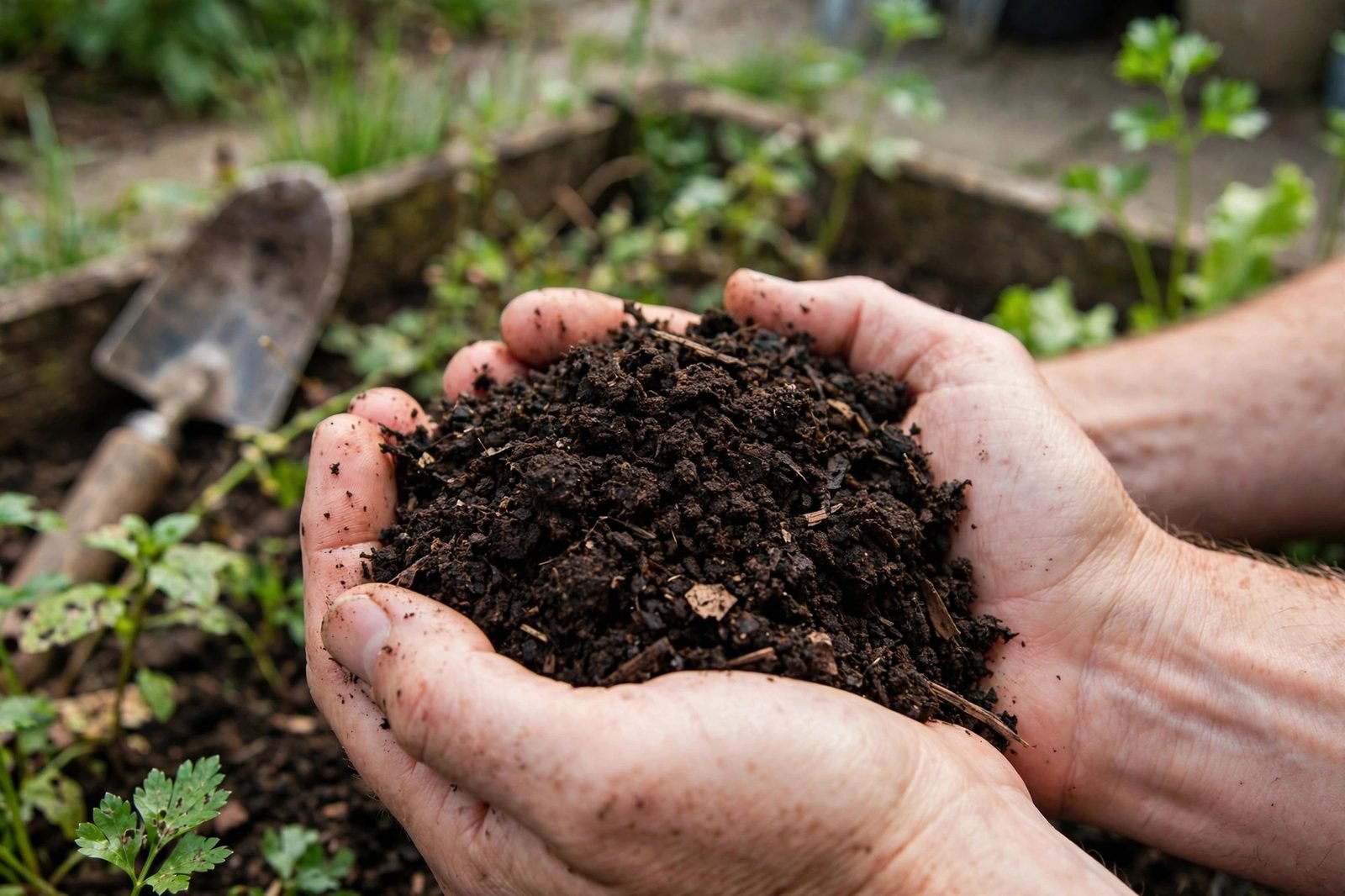
Five reliable signs your compost is finished — color, texture, smell, temperature, and the bag test — plus how to use and store the finished black gold.

Everything above ground starts below it. Healthy soil is the least glamorous and most important part of gardening, so we gave it its own corner. Here you’ll learn how to build good soil from scratch, make compost at home without the smell or the hassle, and feed your garden the slow, steady way. Get this part right and the plants mostly take care of themselves.
Five reliable signs your compost is finished — color, texture, smell, temperature, and the bag test — plus how to use and store the finished black gold.
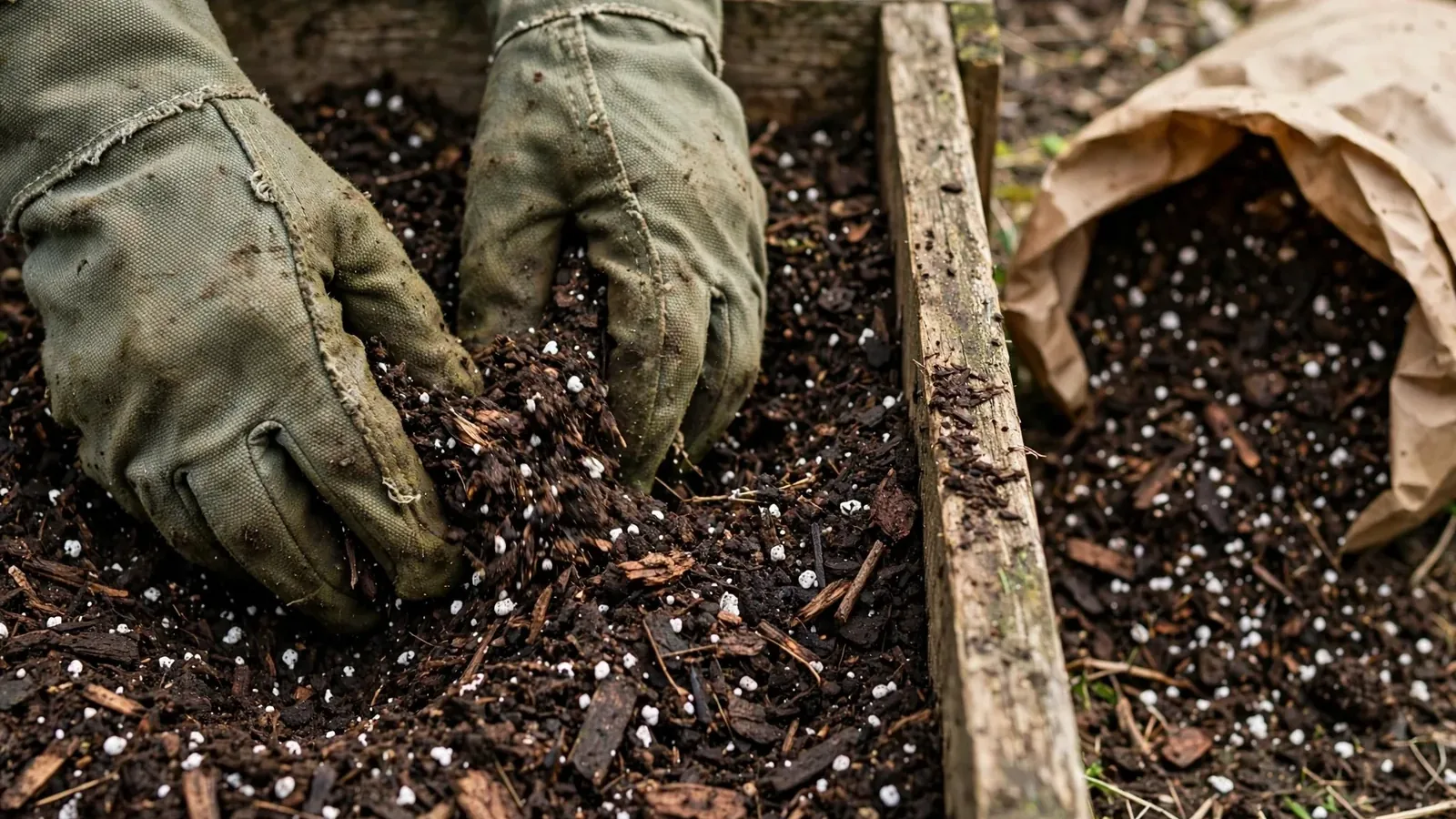
Fill a raised bed with the wrong stuff and you’ll know it by midsummer. Water pools on top or vanishes straight through, seedlings stall out, and you end up wondering whether the bed was worth building at all. Get the mix right, though, and a raised bed is one of the most forgiving ways to garden.
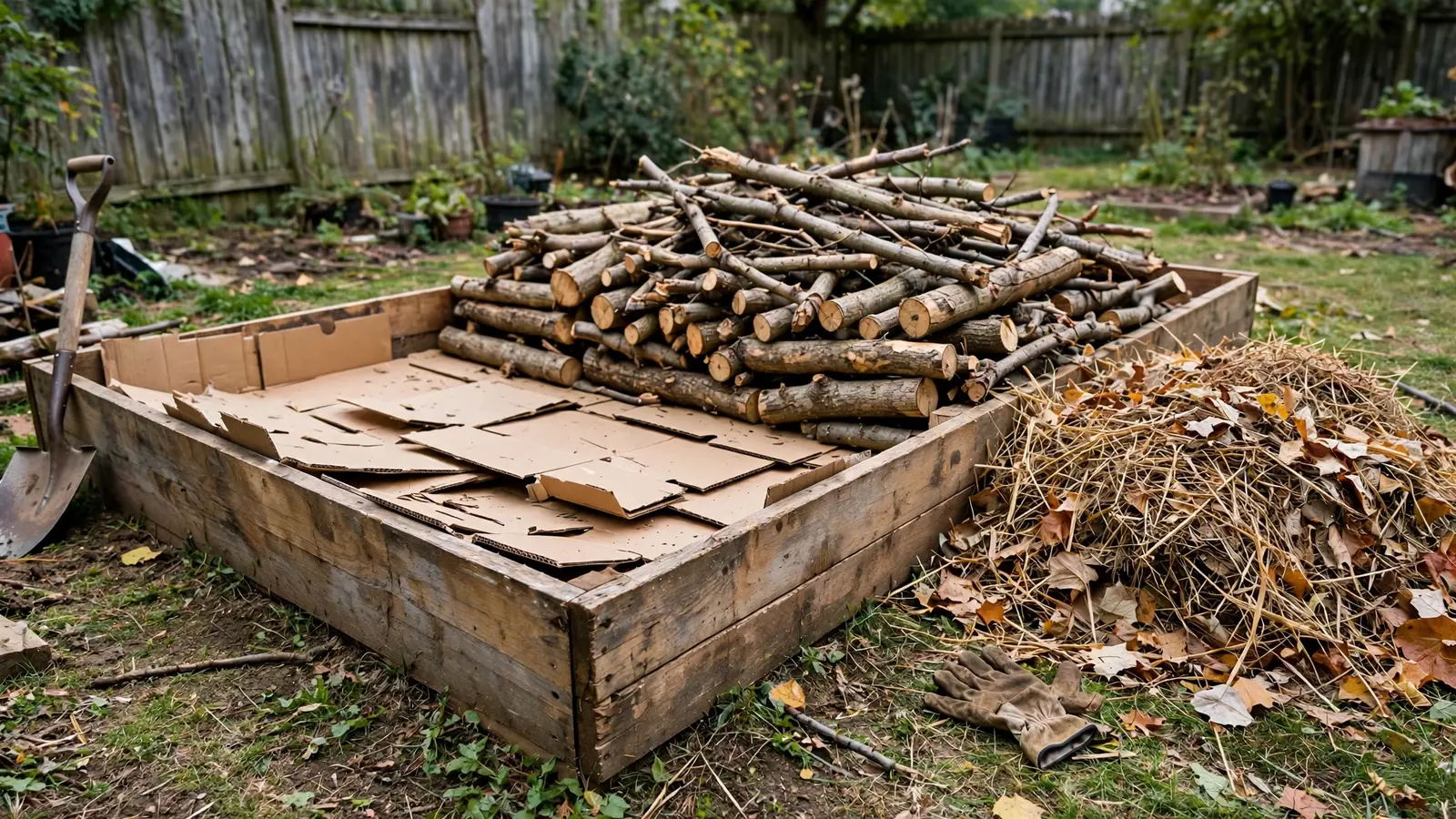
It’s one of the most argued-about questions in raised bed gardening, and you’ll find confident answers in every direction: cardboard, logs, gravel, landscape fabric, nothing at all. The reason for the disagreement is simple — the right answer depends on your bed.
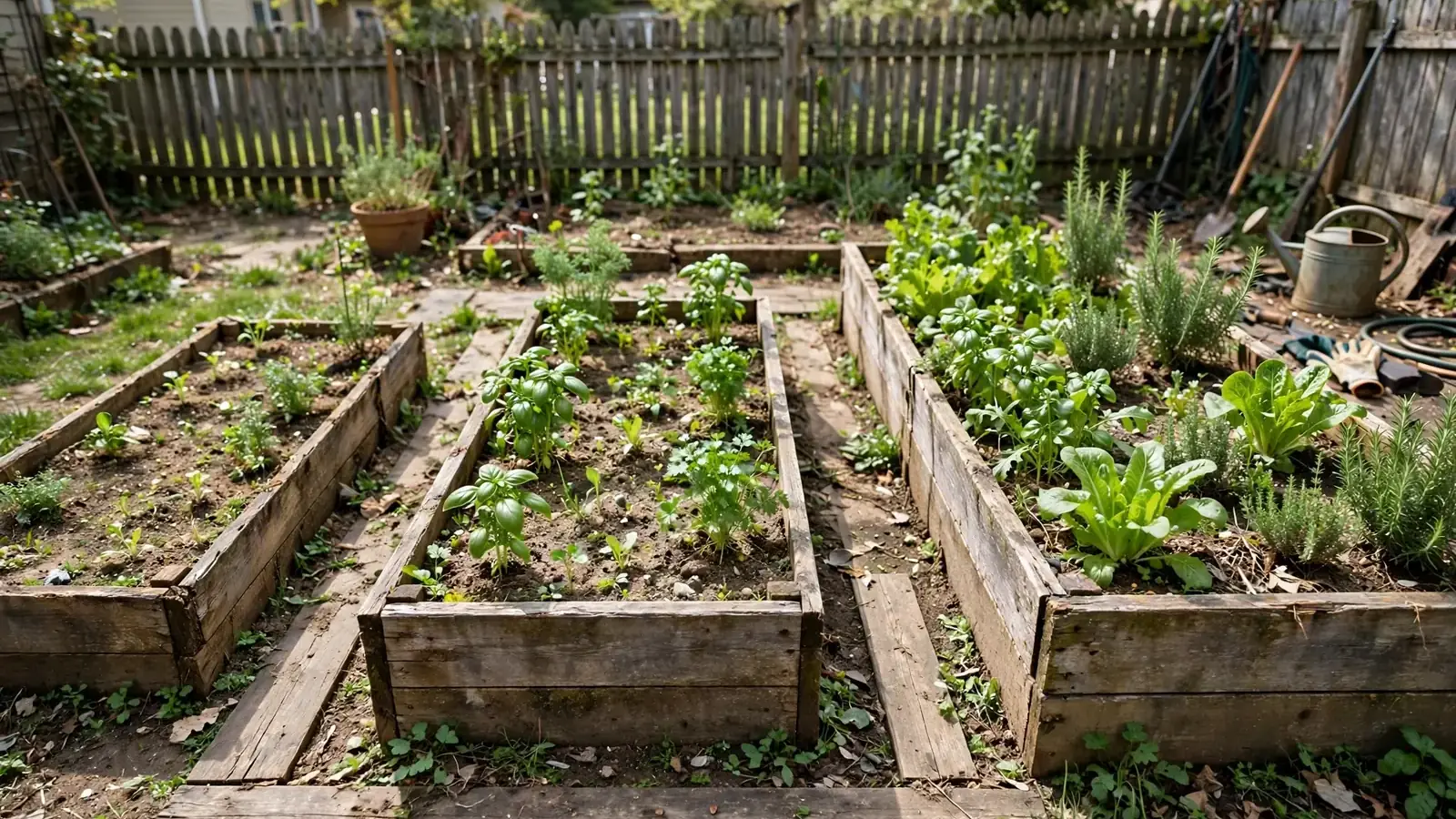
Pick the wrong raised bed size and you’ll feel it every time you garden — stretching to reach the middle, squeezing between beds, or realizing you bought twice as much soil as you needed. Pick the right one and the bed just disappears into the background while you get on with growing.
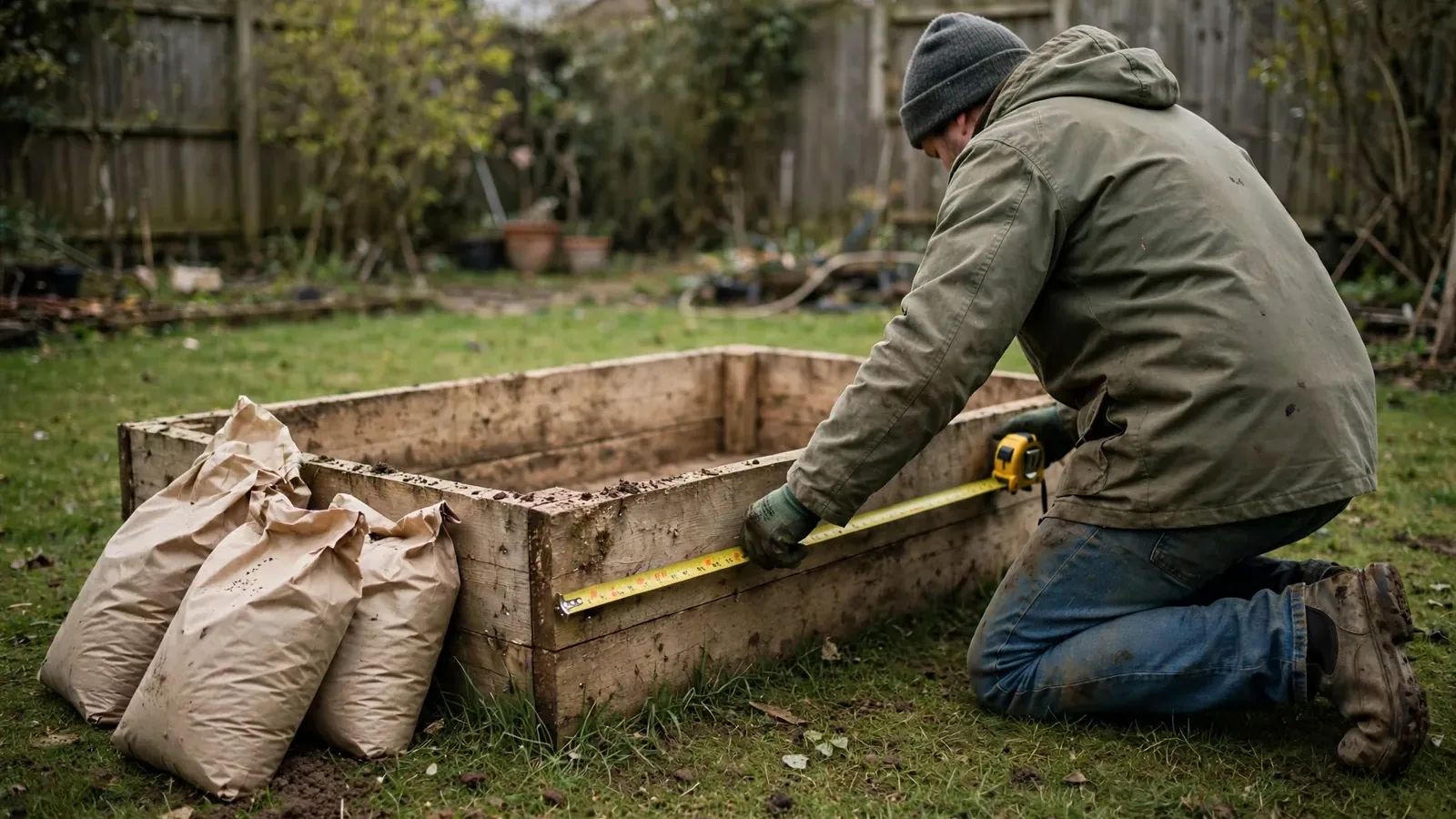
If you’ve ever stood in the garden center aisle staring at a wall of soil bags, doing shaky mental math, you’re not alone. Ordering too little means a second trip (or a half-filled bed). Ordering too much means bags of expensive mix sitting in your driveway all summer.
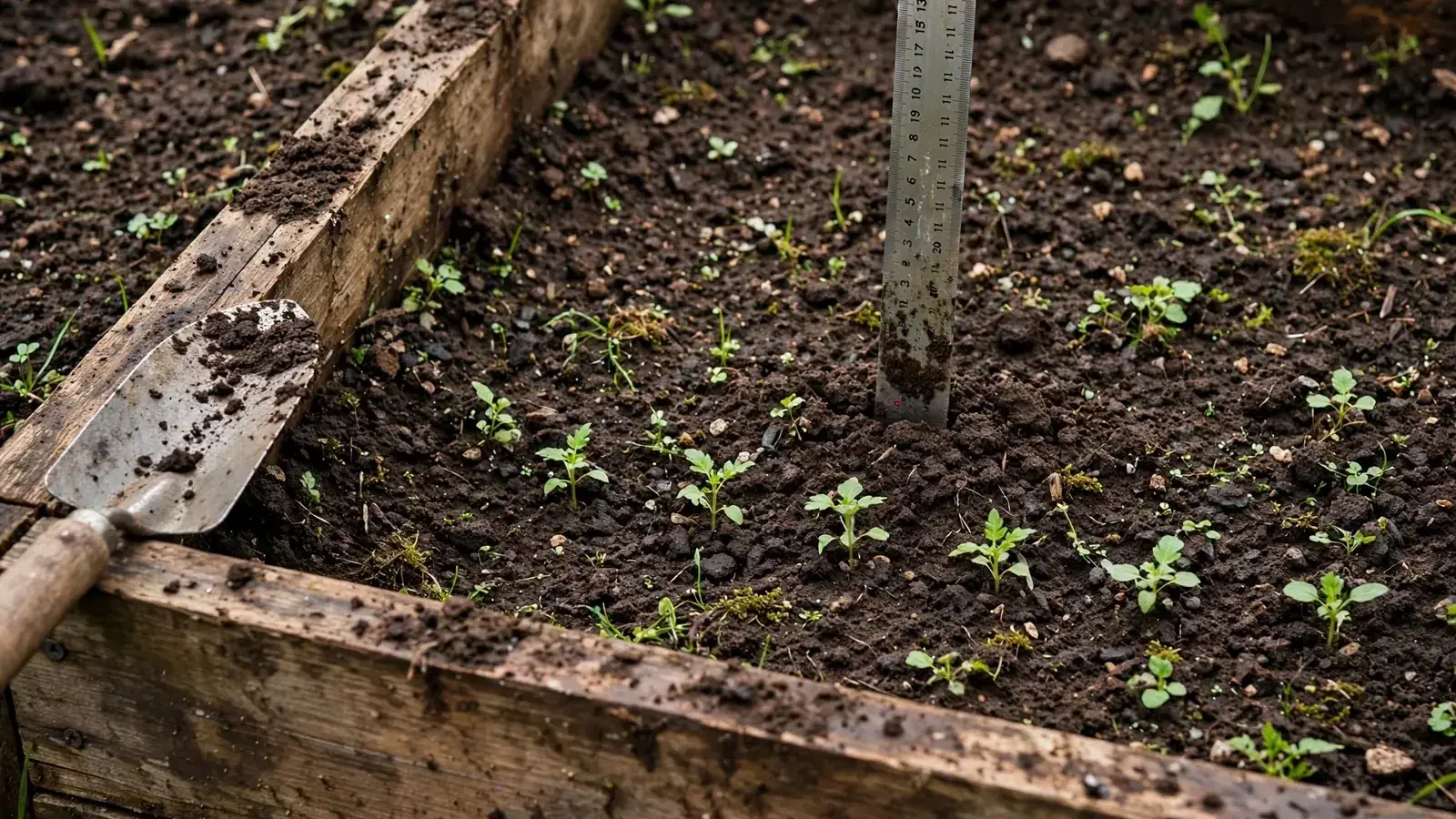
Ask five gardeners how deep a raised bed should be and you’ll get five confident, different answers. Six inches is plenty. Twelve inches minimum. Deeper is always better. They’re all right — for their own situations.
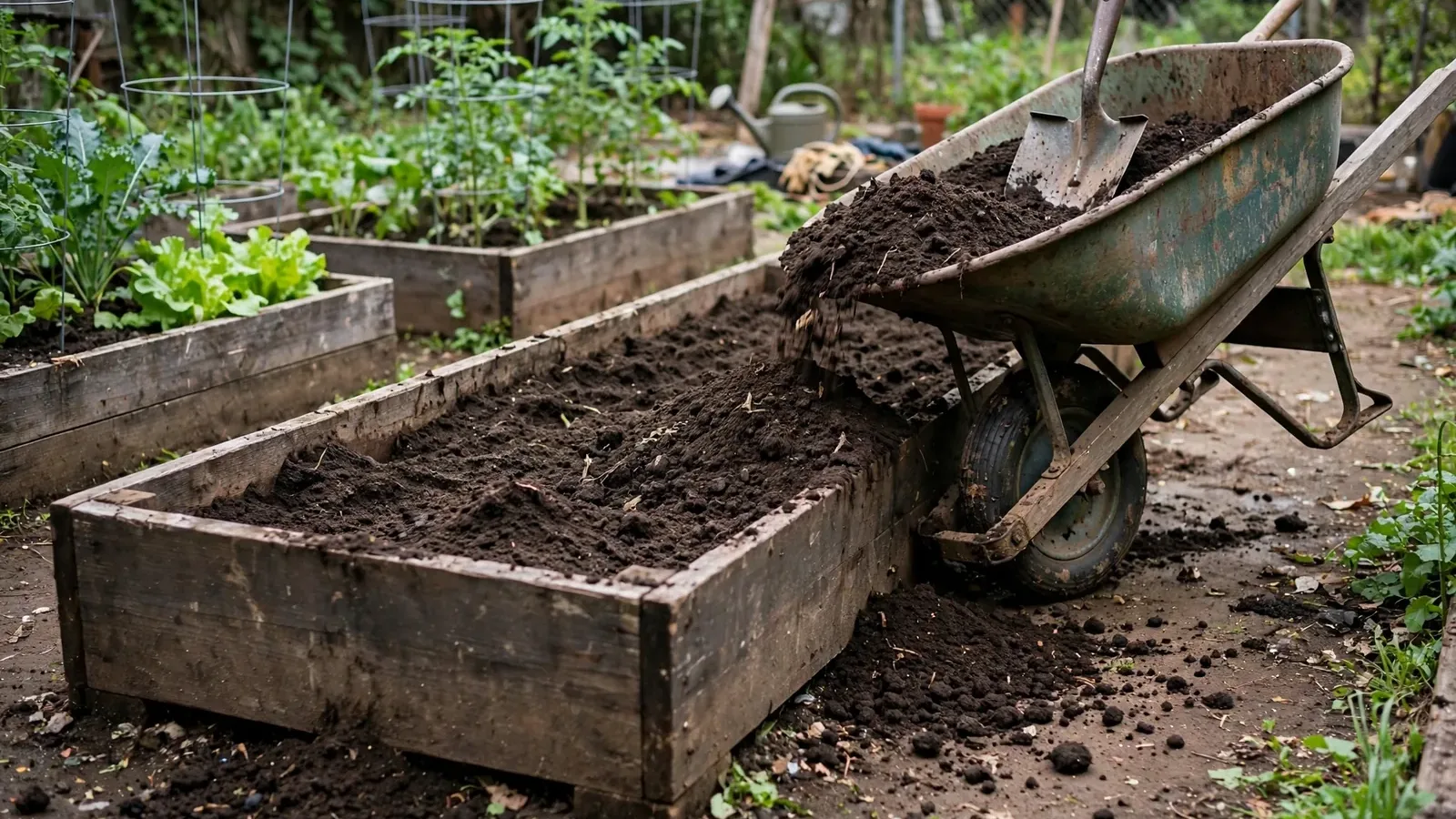
The 4×8 foot bed is the workhorse of home vegetable gardening — big enough for a serious harvest, narrow enough to reach the middle from either side. It’s also the bed size people ask about most, so let’s answer it properly: how much soil it takes at every common depth, what that costs in bags versus bulk, and the practical details that turn a number into a plan.
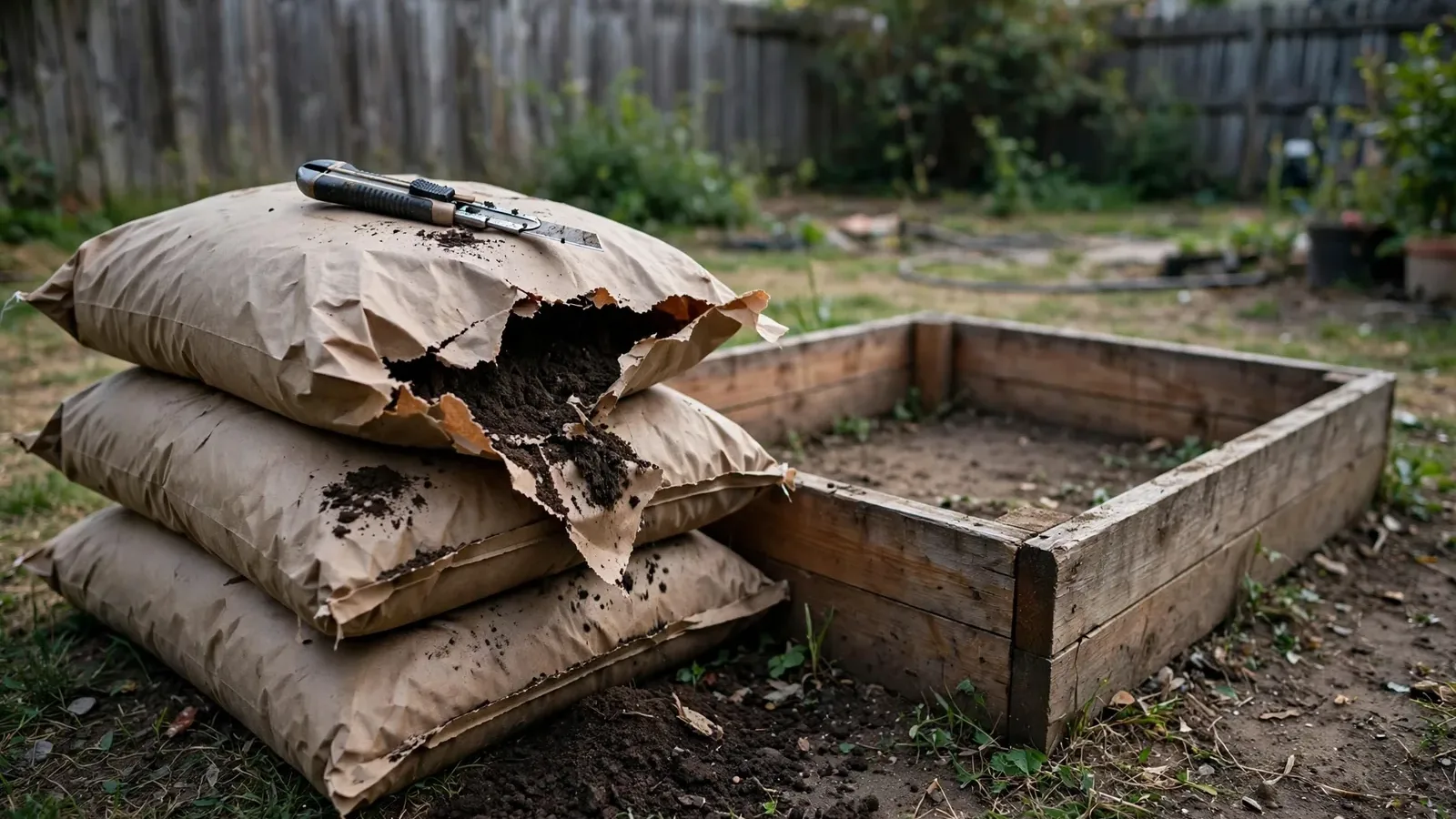
You’ve measured the bed, picked a depth, and done the volume math. Now comes the garden center aisle, where soil comes in 1, 1.5, and 2 cubic foot bags and nothing quite divides evenly. Here’s how to turn cubic feet into a shopping list — and why the number on your list and the number you actually need can differ by a bag or two.
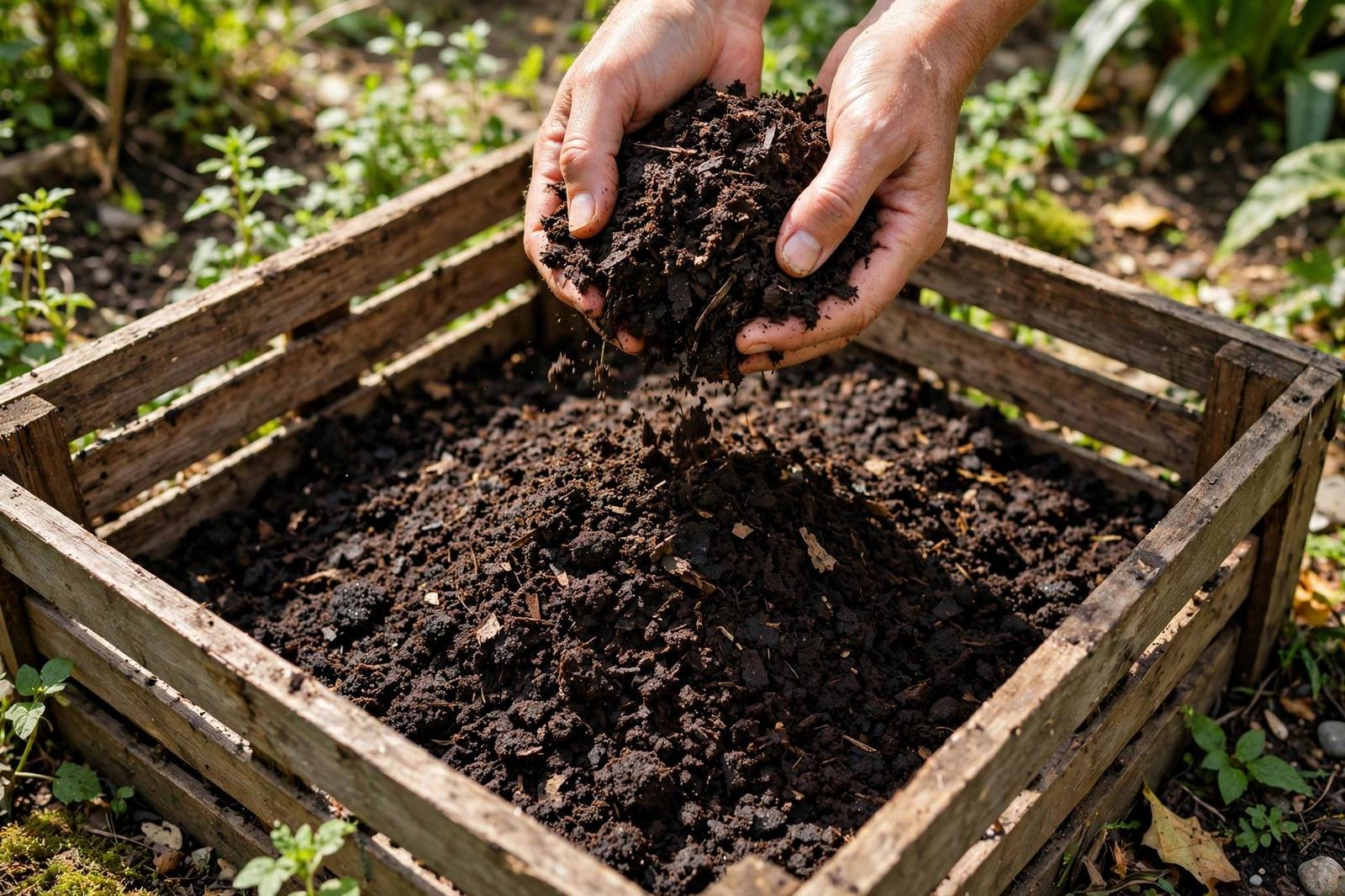
How to make compost at home: the greens-and-browns ratio, bin options, building and turning your pile, plus fixes for the most common compost problems.