

This post may contain affiliate links. If you buy through links on this page, we may earn a commission at no extra cost to you.
As an Amazon Associate I earn from qualifying purchases.
Vego Garden beds are the tall, modular steel beds that show up in a lot of garden photos: clean lines, deep sides, and panels that bolt together into rectangles, L-shapes, and U-shapes. If you are shopping for one, the short answer is that Vego is a solid premium choice for gardeners who want height and a tidy look, and cheaper beds grow vegetables just as well. The right pick depends on your budget, the soil depth your crops need, and how long you want the bed to last.
We have not run side-by-side durability tests on these beds, and we will not pretend we did. This comparison pulls together maker-stated specs, common gardener experience, and plain math on cost per year, so you can weigh the tradeoffs with real numbers. For sizing and soil basics, our raised beds for small backyards guide covers footprint and placement, and our best metal raised beds roundup puts Vego next to other steel options. If you are still weighing steel against wood, see our metal vs wood raised beds comparison.
Vego Garden beds and the alternatives at a glance
| Bed | Height | Common footprints | Layout options | What you pay for |
|---|---|---|---|---|
| Vego Garden modular steel | 17 in | Kits from about 2 x 4 ft up to 4 x 8 ft (sizes vary by kit) | Rectangles, L-shapes, U-shapes | Depth, modular panels, coated steel |
| Budget steel bed | About 12 in | Mostly 4 x 2 ft and 6 x 3 ft | Rectangles | Low price, simple build |
| Cedar kit | About 11 in, stackable | 4 x 4 ft and 4 x 8 ft are common | Rectangles, stacked tiers | Rot-resistant wood, tool-free joints |
| Fabric bed | About 12 in | Rounds and rectangles from 2 ft to 5 ft across | Rectangles, rounds | Light weight, drainage, low price |
| DIY untreated lumber | Your choice | Any size you cut | Any shape | Full control, lowest material cost per foot |
Heights and footprints in this table come from maker listings and common kit sizes. Check the listing before you buy, since kit sizes change and a 4 x 8 ft kit from one brand may not match another brand’s panel lengths.
What Vego does well
Seventeen inches of depth is the headline feature, and it earns its place. That depth suits deep-rooted crops such as carrots, parsnips, and tomatoes, and it leaves room to layer logs and branches at the bottom, the hugelkultur trick, which cuts the amount of soil you need to buy. Tall sides also mean less bending at harvest time, which matters more with every passing season.
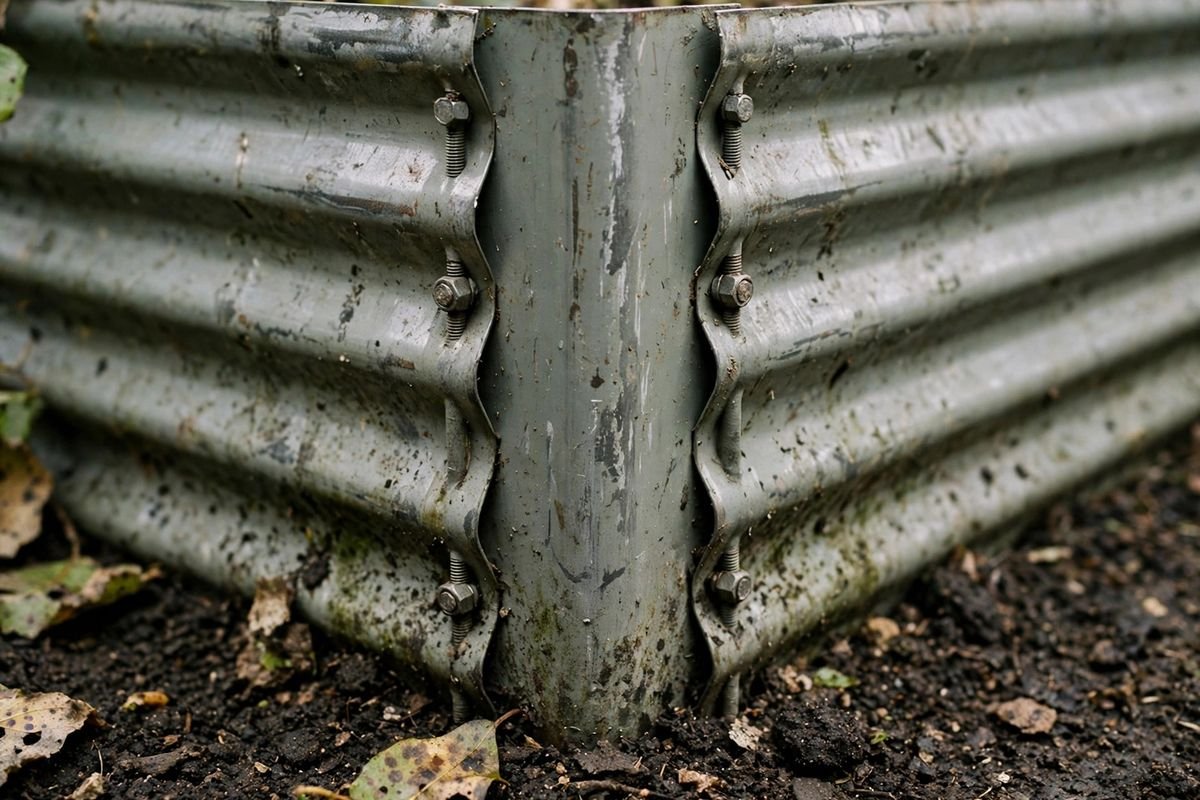
The modular panel system is the second real strength. You are not locked into a rectangle. Panels bolt together into L-shapes and U-shapes, which fit corner spots and U-shaped layouts that a fixed kit cannot. The steel carries a coating the maker describes as food-safe, a detail worth confirming on the listing of any metal bed you plan to grow vegetables in.
- 17 inches of depth for deep-rooted crops and less bending at harvest
- Modular panels form rectangles, L-shapes, and U-shapes
- Steel will not rot the way wood does
- Clean, modern look that suits a front-yard bed
- Corner bracing and bolted joints hold their shape when full
Where Vego falls short
The price is the first drawback, and it is a large one. A Vego kit costs several times more than a basic steel bed of the same footprint, and the gap grows when you buy two or three beds. Tall sides also need more soil, which is a second bill that surprises a lot of first-time buyers. A 17-inch bed holds about 40 percent more soil than a 12-inch bed of the same footprint, and the math on that sits below.
Weight is the other practical drawback. A tall steel bed is heavy and awkward to move once filled, so assemble it in its final spot and be sure of the placement first. In wet climates, coating chips and scratches at bolt holes can show rust over time, and the color range is narrow compared with wood or fabric beds.
- Costs several times more than a basic steel bed of the same footprint
- A 17-inch bed needs about 40 percent more soil than a 12-inch bed of the same footprint
- Heavy and awkward to move once filled, so assemble it in its final spot
- Coating chips and scratches can show rust over time in wet climates
- Fewer color choices than wood or fabric beds
The alternatives, one by one
Budget steel beds
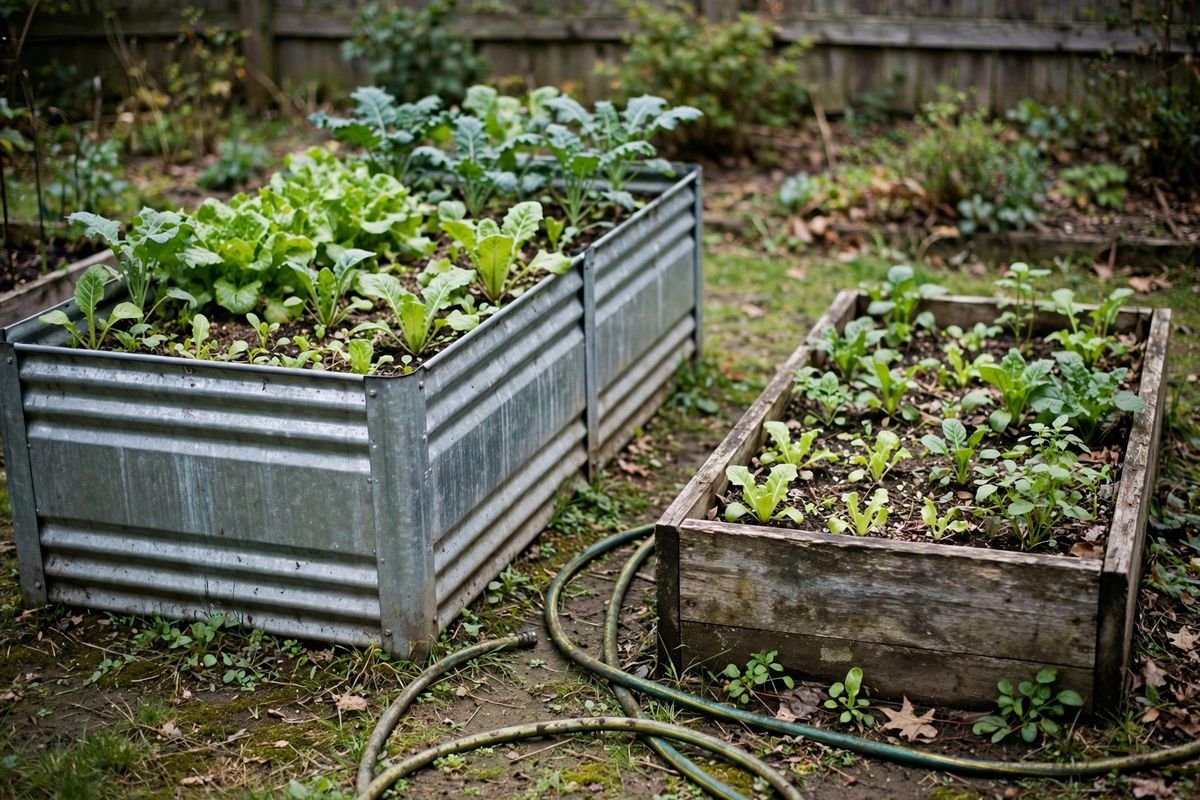
Brands such as Best Choice Products sell simple galvanized steel beds for a fraction of a Vego kit. A typical kit is about 4 x 2 ft and 12 inches deep, which handles peppers, salad greens, and a couple of tomato plants without trouble. Assembly is a bolt-together job with basic hardware, and the low price makes it easy to try raised beds before committing to something bigger.
The tradeoff is depth and finish. Twelve inches is fine for most vegetables, but carrots and parsnips want more, and the thinner steel can bow outward when full of wet soil unless the kit includes cross-bracing. Edges can be sharp during assembly, so wear gloves until it is bolted together.
Cedar kits
Cedar is the classic raised bed material for a reason. It resists rot and insects without chemical treatment, which is the thing to look for in any bed you will grow food in. Kits such as Greenes Fence use dovetail joints that slide together by hand with no tools, and the design stacks, so one kit can grow into a deeper bed as your garden grows.
Cedar weathers to a silvery gray after a season or two, which is purely cosmetic. Boards do wear out eventually, and one practical plus of the common kits is that replacement boards are sold on their own, so you can swap one tired side without rebuying the whole bed. Cedar costs more than budget steel and less than a premium steel kit, and it suits gardeners who prefer a natural look.
Fabric beds
Fabric beds are the cheapest and lightest option of all. They fold flat for storage, drain freely, and air-prune roots at the sides, which keeps plants from circling the way they can in hard pots. A round fabric bed is a good fit for a potato patch or a herb circle on a patio.
The tradeoff is shape and life span. Fabric beds sag and slump as soil settles, so they never look as tidy as a steel or wood bed, and they wear out faster than either. They suit renters and trial plots more than a permanent bed you plan to keep for a decade.
DIY lumber beds
Building your own bed from untreated lumber gives you full control over size, height, and shape at the lowest material cost per foot. A simple 4 x 8 ft bed from two-by lumber takes an afternoon, basic tools, and a handful of screws, and you can build it to fit an odd corner exactly.
The tradeoff is time and rot. Untreated pine lasts only a few seasons in damp soil, while cedar and redwood cost more and still need replacing eventually. If you enjoy building, DIY wins on price and fit. If you want a bed that arrives as a kit and goes up in an hour, buy one.
Cost per year: a worked example
Sticker price tells you little on its own. A bed that costs three times more and lasts three times longer costs the same per year, and the soil bill can matter more than the bed bill. Here is the math, with every figure labelled as an example. These are example figures used to show the method, not quoted prices. Check current prices before you buy.
Assumptions for this example: one bed, 4 x 8 ft footprint, bought once and kept for its full expected life, with no repair costs. Example prices: Vego kit $190 with a 10-year life, budget steel bed $55 with a 4-year life, cedar kit $130 with an 8-year life. Cost per year is price divided by years of life.
- Vego kit: $190 divided by 10 years = $19.00 per year
- Budget steel bed: $55 divided by 4 years = $13.75 per year
- Cedar kit: $130 divided by 8 years = $16.25 per year
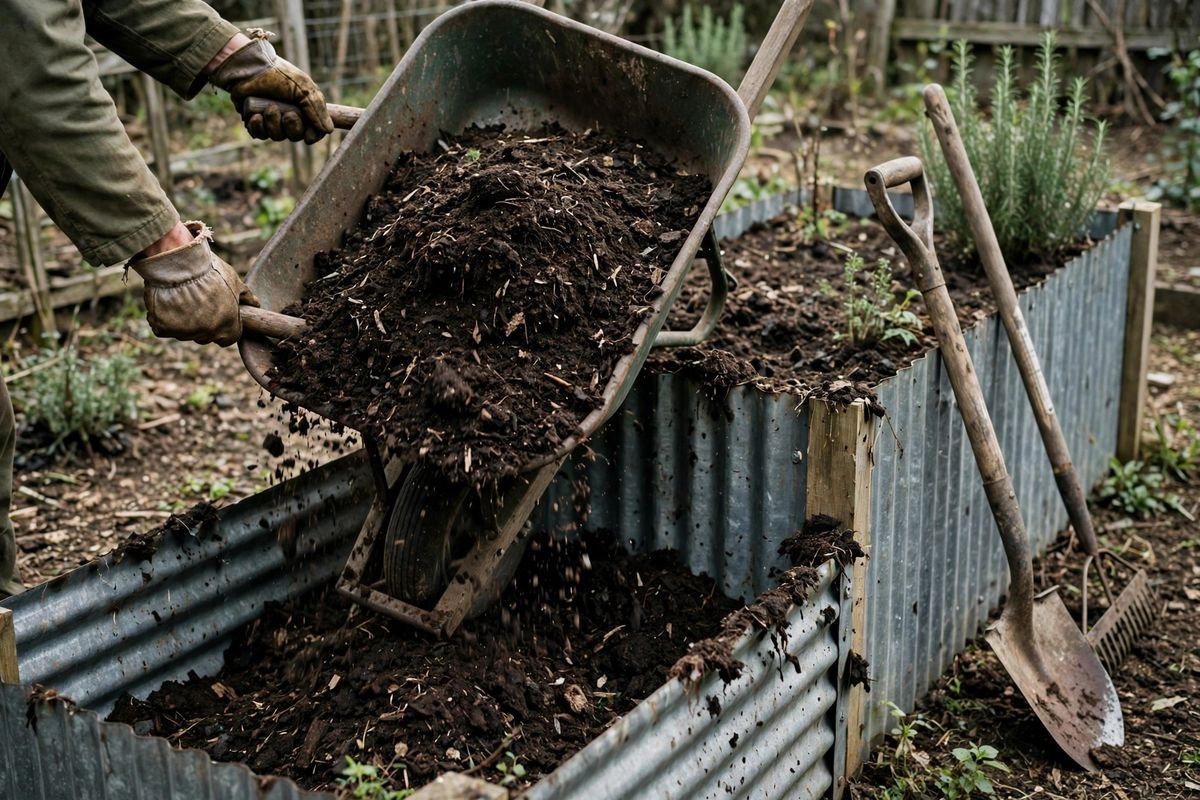
On the bed alone, the premium kit costs about $5 more per year than the budget bed. Now add soil. A 4 x 8 ft bed at 17 inches deep holds 4 x 8 x 17/12 = 45.3 cubic feet of soil, about 1.7 cubic yards. The same footprint at 12 inches deep holds 32 cubic feet, about 1.2 cubic yards. At an example bulk price of $40 per cubic yard, filling the tall bed costs about $68 and the shallow bed about $48, a gap of about $20 per fill. Delivery fees add more, and you will top up soil every season as it settles.
The takeaway is simple. A premium bed earns its price only if you use the depth or the modular shapes. If you grow mostly greens and herbs in a 12-inch bed, the budget option leaves you money for soil, seed, and plants, and that money grows more food.
How to choose
Choose Vego if…
- You grow deep-rooted crops and want 17 inches of depth
- You want an L-shape or U-shape layout for a corner spot
- You want a tidy steel look and the budget allows it
- Your climate rots wood fast, so steel makes sense for a bed you plan to keep
Choose an alternative if…
- Budget is tight and a 12-inch steel bed covers your crops
- You prefer the look of wood in your garden
- You rent and may need to move the bed in a year or two
- You grow mostly greens and herbs that need less depth
What to check before you buy
Before you order any metal bed, confirm the coating claim on the listing and look for the words food-safe in the maker description. Check panel thickness, whether hardware is included, and whether the kit has cross-bracing for the size you are buying. Measure your gate and path width, since panels arrive flat and long. Work out soil volume with the formula above and price the soil and delivery before you order, so the bed does not sit empty for a month. Assemble the bed in its final spot, level the ground first, and lay cardboard or hardware cloth underneath if burrowing pests are a problem in your area.
Sources & Further Reading
- University of Georgia Extension, raised bed gardening guides
- Oregon State University Extension Service, raised bed gardening publications
- USDA, gardening and soil resources