
This post may contain affiliate links. If you buy through links on this page, we may earn a commission at no extra cost to you.
As an Amazon Associate I earn from qualifying purchases.
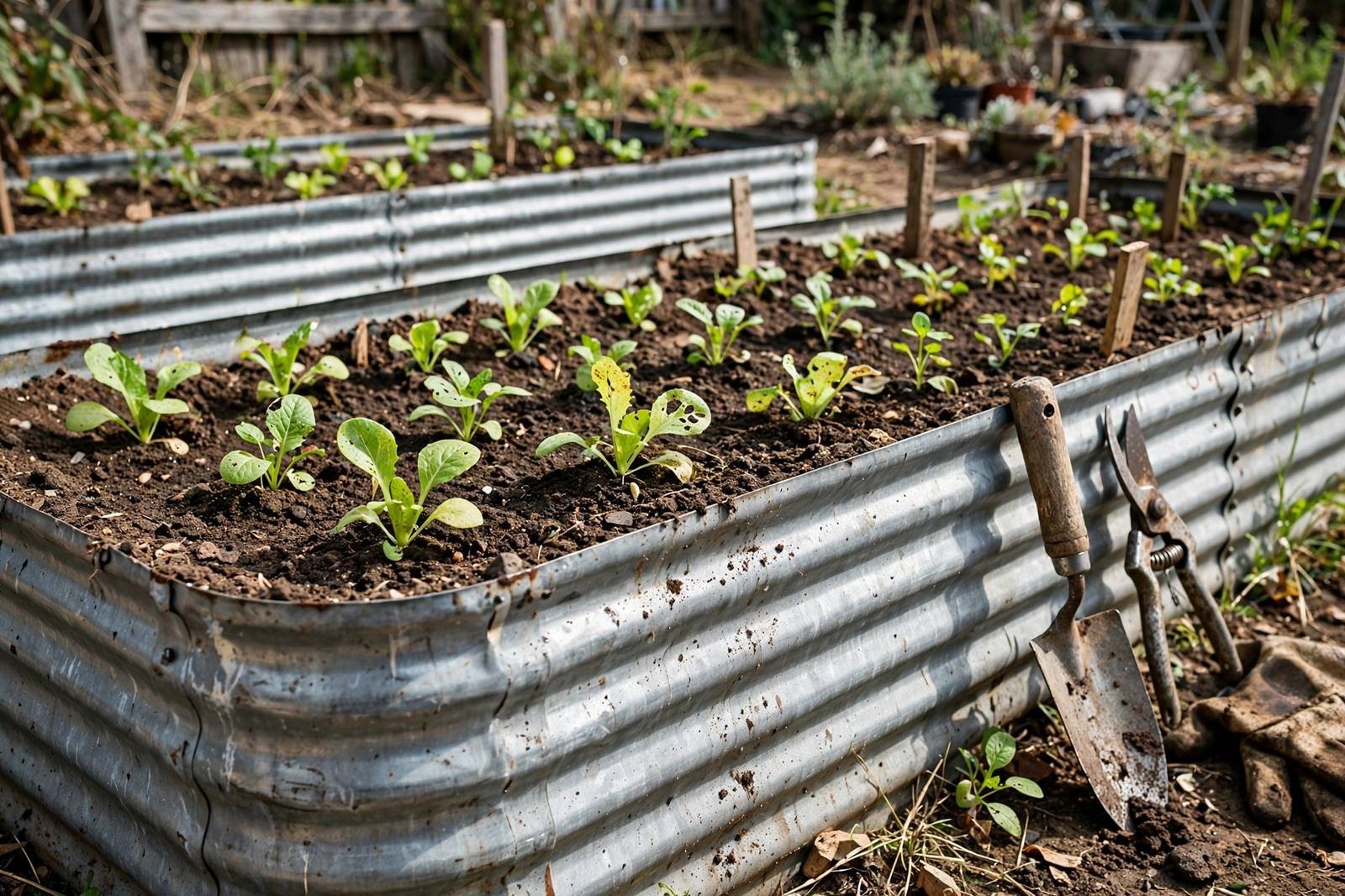
Metal raised beds have moved from farm supply catalogs into mainstream backyard gardening, and the appeal is easy to see: thin panels that waste little planting width, no boards to rot, and heights that range from a low edging to a bed you can work from a stool. The differences that matter are less visible in photos — panel height, edge finish, bracing, and what the coating actually is. This guide compares metal bed types generically, by height and panel style, so you can read any listing with better questions. We do not rank specific brands, and we have not hands-on tested the beds discussed here, so every specific — dimensions, gauge, coating, hardware — needs a check the listing before you buy.
If you are newer to raised beds in general, our raised bed gardening guide for beginners covers siting and soil. Here we stay on the metal-specific decisions.
Quick Reference: Metal Bed Heights Compared
| Panel height (check the listing) | Usable soil depth* | Suits | Main tradeoff |
|---|---|---|---|
| About 12 in | About 11 in | Greens, herbs, most vegetables | More bending; less root room for deep crops |
| About 17-18 in | About 16-17 in | Mixed vegetables, easier reach | Soil volume jumps noticeably |
| About 24 in | About 23 in | Deep-rooted crops, less bending | Roughly double the soil of a 12 in bed |
| About 32 in | About 31 in | Working from a stool or standing | Highest soil cost; bracing matters most |
*Usable depth assumes filling to about 1 inch below the rim. Check the listing for the true panel height, because some listings quote the height of one panel and beds can be stacked or sold in multi-panel configurations.
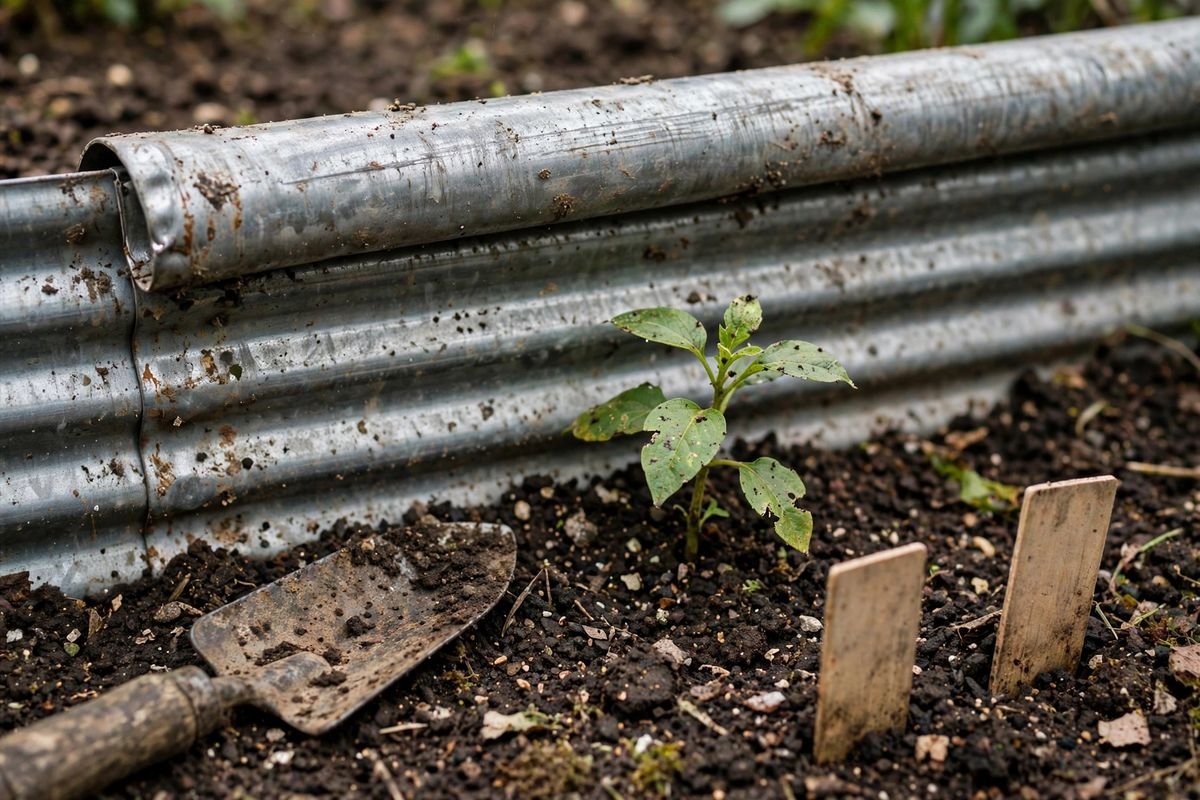
The rolled edge in the photo above is the detail to look for first. A rolled or folded top edge covers the cut metal rim, which matters every time you lean over the bed or drag a hose across it. If a listing does not show the edge clearly, check the listing photos and description for “rolled edge” or a rubber edge trim, and budget for trim if the edge is raw.
The Height Math: Depth, Soil, and Money
Height is where metal beds get expensive — not at purchase, but at filling. Here is the arithmetic, with assumptions stated so you can rerun it for any size.
Assumptions: a 4 x 8 ft bed (a common footprint — check the listing for exact dimensions), filled to 1 inch below the rim, soil bags at 1.5 cu ft each (check the bag label; sizes vary).
- 12 in panels (about 11 in of soil): 4 x 8 x 0.92 ft = about 29 cu ft of soil, or roughly 20 bags at 1.5 cu ft.
- 24 in panels (about 23 in of soil): 4 x 8 x 1.92 ft = about 61 cu ft, or roughly 41 bags.
- 32 in panels (about 31 in of soil): 4 x 8 x 2.58 ft = about 83 cu ft, or roughly 55 bags.
Going from 12 to 24 inches adds about 32 cu ft — more than the entire fill of the shallow bed. That does not make tall beds a bad buy; it makes the fill plan part of the purchase decision. Many gardeners fill the bottom of a tall bed with a base layer of logs, branches, and rough organic material that settles over time, then put the good soil mix on top. That approach cuts the bag count but means the surface drops as the base breaks down, so plan to top up. Our soil cluster covers base layers and depths in detail.
How much depth do roots actually use?
Panel height and growing depth are related but not identical, because the soil column is what roots experience. As a general planning guide drawn from extension publications: leafy greens and herbs do well in roughly 6-8 inches of good soil; most fruiting vegetables like peppers and bush beans use about 8-12 inches; deep-rooted crops such as tomatoes and carrots benefit from 12 inches or more of loose soil. A 12 in bed therefore grows almost everything, provided the soil below the bed is not compacted — roots can continue past the bed into loosened ground. A tall bed earns its depth on concrete, over rubble, or where the native soil is genuinely unusable. Check the guidance for your specific crops, and loosen the ground under a shallow bed before filling so roots are not stopped at the bed floor.
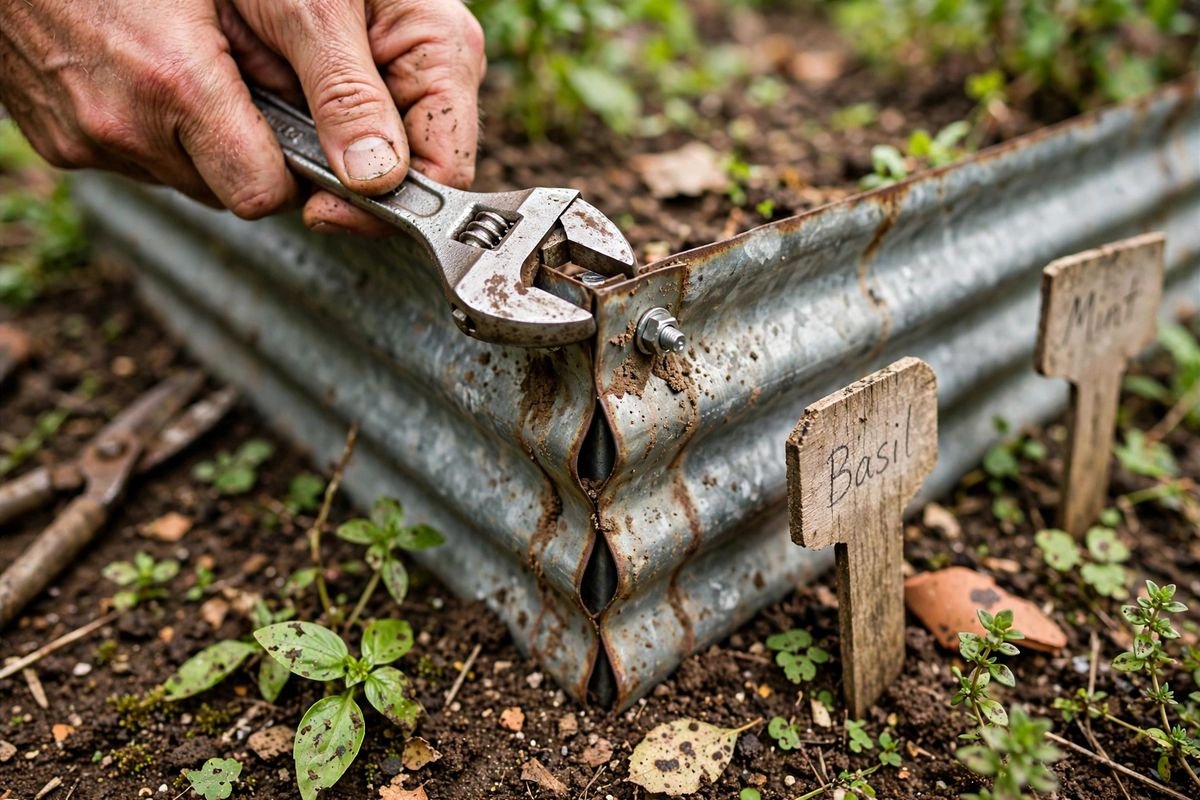
Assembly is the other hidden variable. Corrugated panels join with bolts at the corners and along seams, and longer beds usually need cross-bracing rods or straps to keep the sides from bowing once soil pressure builds. Check the listing for the number of brace points and whether hardware is included, and expect assembly to take longer than the product photos suggest — that is normal for bolt-together kits, not a defect.
Heat: What General Physics Says (and Does Not)
The most common question about metal beds is whether the soil cooks. We will not invent test data we do not have, so here is the honest, physics-based version. Metal conducts heat far faster than wood, so a sun-struck steel panel passes heat to the soil touching it more readily than a thick wooden board does. At the same time, the soil mass in a raised bed is large, and soil a few inches in from the edge is buffered by the soil around it. The practical upshot most gardeners plan around: the outer few inches of soil in a metal bed can warm and dry faster on hot, sunny afternoons, while the center behaves much like any raised bed. Light-colored panels reflect more sunlight than dark ones, so panel color is a real variable in hot climates — check the listing for available colors.
Simple mitigations follow from the same reasoning: mulch the surface to shade the soil, water in the morning so moisture is present during peak heat, and give heat-sensitive crops the center of the bed while tougher crops take the edges. In cool climates the edge warming can even be a mild advantage in spring. What we cannot honestly give you is a number of degrees — that depends on panel color, thickness, sun angle, and soil moisture, and anyone quoting a single figure for all metal beds is oversimplifying.
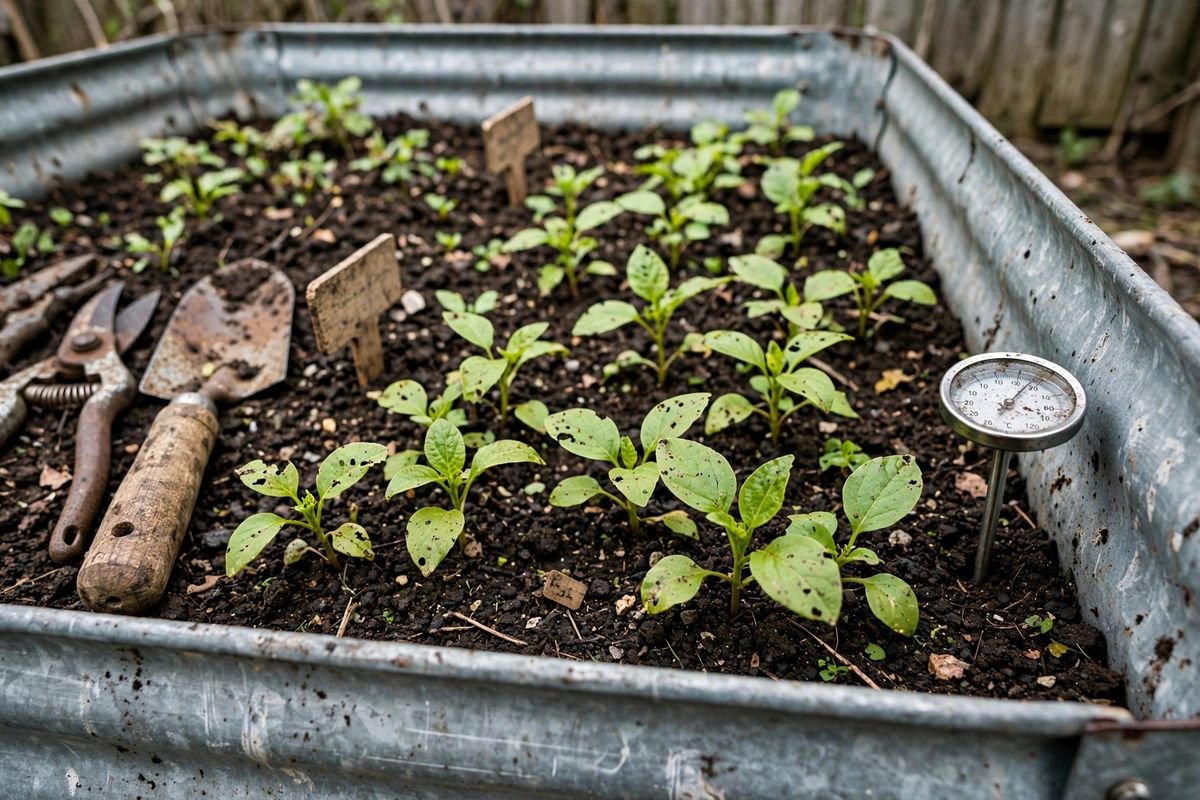
A basic soil thermometer, pushed in at the edge and then in the center on a hot afternoon, tells you more about your own bed than any generic claim. Soil temperature also drives planting timing: Use your local frost dates and regional planting guidance — not your USDA hardiness zone alone — to choose planting dates.
Panel Styles and Coatings
Most metal beds use corrugated panels, because the corrugation stiffens a thin sheet the way folds stiffen cardboard. Flat-panel and modular tile-style beds also exist. Whatever the style, check the listing for panel thickness (often quoted as a gauge — lower gauge numbers mean thicker metal) and for what the coating is. Listings use terms like galvanized, powder-coated, or various proprietary coating names. We will not tell you a coating is food-safe as a fact; coatings and their formulations vary, so check the listing/manufacturer for coating details and decide based on what the manufacturer documents. If soil contact with the coating concerns you, a liner on the inside walls is an option some gardeners use — check that any liner is suitable for the purpose and does not block drainage at the base.
Also check how panels handle the bottom edge. Some beds sit the panel edge directly on the ground; others include a trim. On soft soil, panels can settle unevenly, so leveling the site before assembly pays off in a bed that stays square.
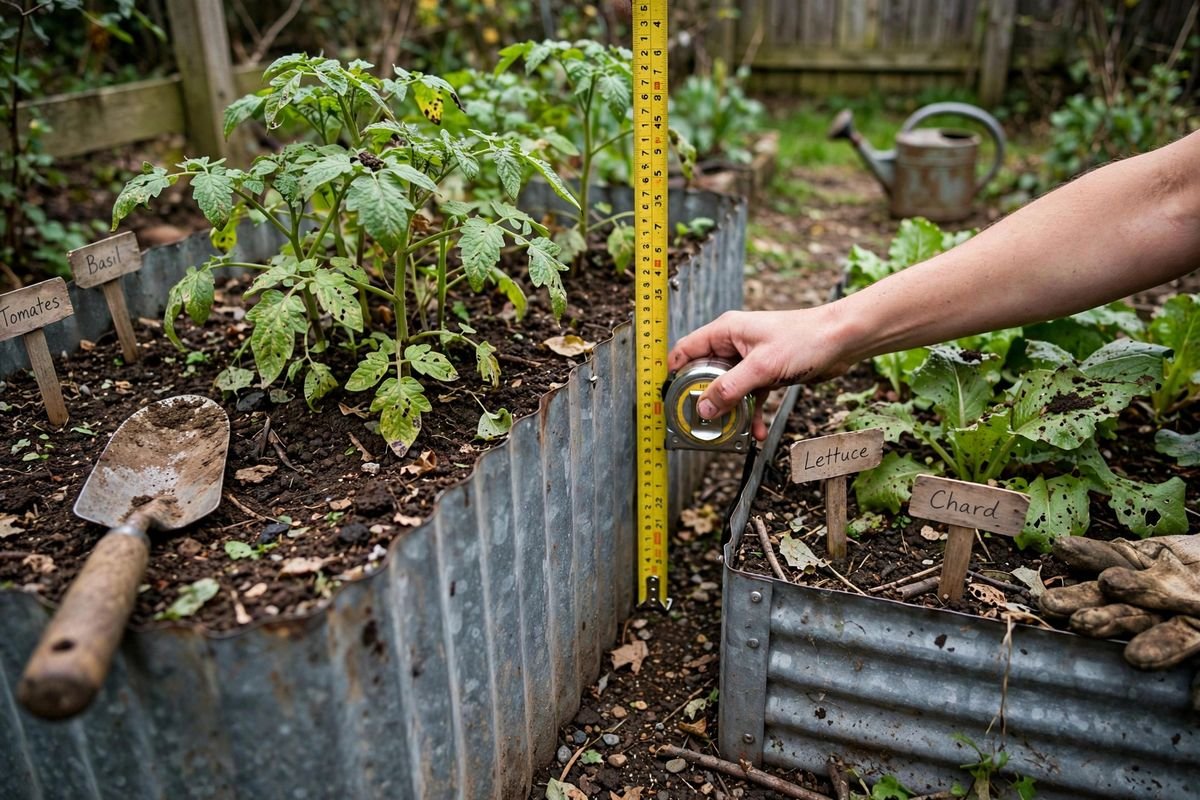
Height differences look modest in photos and feel large in person, both in working comfort and in soil volume. Measuring your own comfortable working height — standing and seated — before ordering is worth the two minutes it takes.
Pros and Cons of Metal Beds
Pros: thin walls maximize planting area for the footprint; no rot; available in tall heights that wood kits rarely match; corrugated panels are light to ship and position before filling.
Cons: soil volume (and cost) climbs steeply with height; edges need a rolled finish or trim; long beds need bracing against bowing; edge soil can dry faster in hot sun; dents are possible if panels are thin — check the listing for gauge.
Metal is not the only long-life option, and for some gardens fabric or containers fit better. Our roundup of the best grow bags for vegetables covers the low-cost flexible end, the container gardening guide covers patios, and our vegetable garden starter guide helps decide whether you need a bed at all this season.
Verdict: Choosing a Metal Bed
Choose a 12 in metal bed if your ground soil is decent, your budget for soil is limited, and you mainly grow greens, herbs, and common vegetables.
Choose a 17-24 in metal bed if bending is uncomfortable, your native soil is poor or compacted, or you garden over a hard surface and need real soil depth in the bed itself.
Choose a 32 in metal bed if you want to work seated or standing and you have a fill plan — base layer plus topsoil — that matches the roughly 55-bag math above for a 4 x 8 footprint.
Choose a light-colored panel if your beds sit in full hot afternoon sun; choose any color you like if spring warmth is your bigger challenge.
Ready to compare listings? Start with metal raised garden beds and tall metal raised beds, and check each listing for dimensions, gauge, edge finish, bracing, and coating details before deciding.
Sources & Further Reading
- University of Minnesota Extension — Raised bed gardens: siting, soil depth, and construction basics.
- Colorado State University Extension — Raised bed gardening (Fact Sheet 7.841): soil volume and depth guidance.
- USDA — People’s Garden resources: general vegetable growing guidance.