
This post may contain affiliate links. If you buy through links on this page, we may earn a commission at no extra cost to you.
As an Amazon Associate I earn from qualifying purchases.
Every garden starts with the same question: build up, or dig in? A raised bed gives you a defined frame and a fresh volume of soil mix. An in-ground garden works with the soil already under your feet, shaped into rows or blocks. Both grow strong vegetables, and both disappoint when matched to the wrong site. The honest comparison comes down to your native soil, your back and knees, your water, and how much startup work you want to trade for season-by-season upkeep. This guide works through those trade-offs with real soil math you can adapt to your own plot.
For the building basics, see raised bed gardening for beginners, and for the wider site plan, how to start a vegetable garden. Use your local frost dates and regional planting guidance — not your USDA hardiness zone alone — to choose planting dates.
Quick comparison
| Factor | Raised bed | In-ground garden |
|---|---|---|
| Startup soil | Full fill volume imported at setup; predictable mix from day one | Native soil amended in place; volume added is far smaller, quality depends on what you start with |
| Startup cost pattern | Frame plus full soil fill; higher day-one total for the same area | Mostly amendments and tools; lower day-one total in workable soil |
| Drainage | Elevated mix drains freely; can dry faster in heat | Follows the site; clay holds water, sand drains fast |
| Soil control | High at setup; you choose the mix | Built gradually with compost and amendments over seasons |
| Access and comfort | Defined edges, less bending, clear paths | Work at ground level; kneeling and bending are part of the job |
| Space and scale | Frame cost grows with every bed | Rows extend with mostly labor and amendments, so large plots cost less per square foot |
| Site limits | Works over poor, rocky, or paved-adjacent ground where digging fails | Needs diggable soil and a site free of contamination concerns |
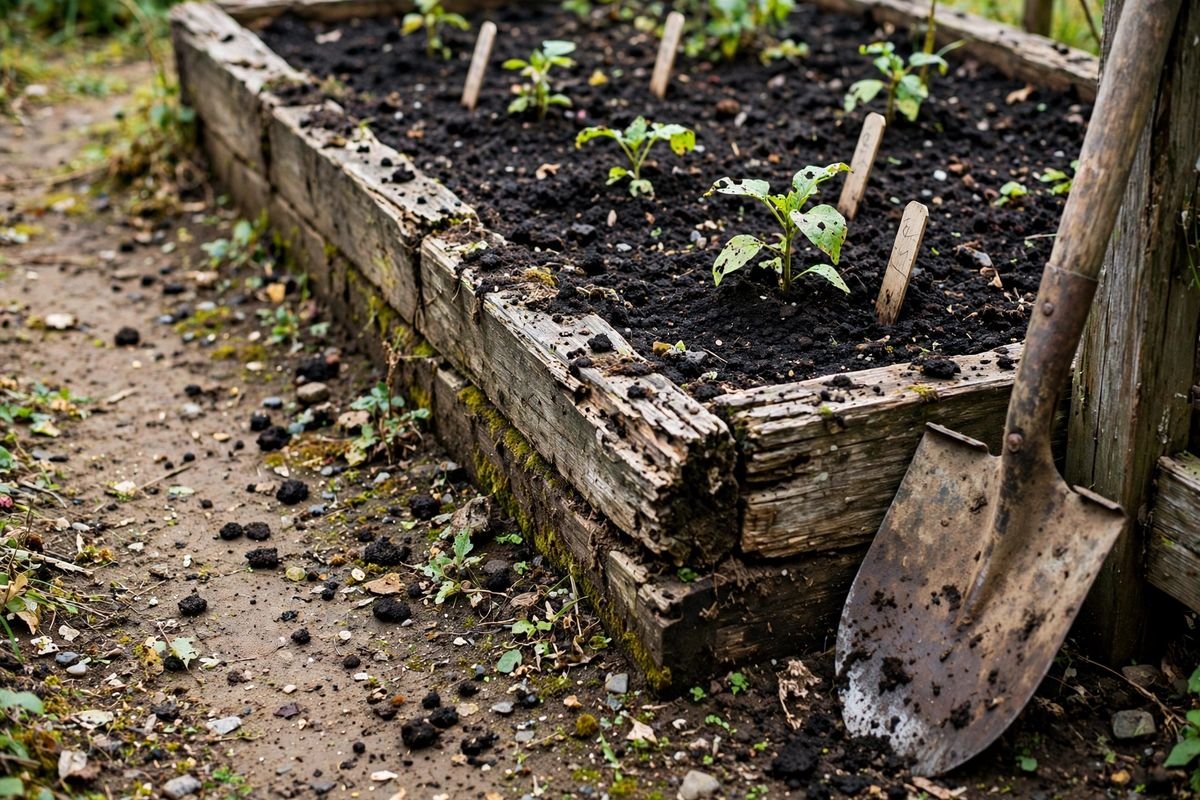
Neither column wins outright. A gardener with rocky, compacted ground and a sore back reads this table differently from a gardener with deep loam and a quarter acre. The soil math below puts numbers on the biggest practical difference: what you have to bring in before the first seed goes down.
The startup soil math
Assumptions, stated up front: one raised bed at 4 feet by 8 feet filled 12 inches deep; one in-ground plot of the same 32 square feet amended in the top 6 inches; loose soil mix and compost measured in cubic feet; no paths counted. Adjust the depth and area to your plan and the proportions hold.
Raised bed fill volume
The bed is a box, so the math is simple multiplication. Four feet wide × 8 feet long × 1 foot deep = 32 cubic feet of fill, about 1.19 cubic yards. Filled 18 inches deep, the same bed needs 4 × 8 × 1.5 = 48 cubic feet, about 1.78 cubic yards. Every bag or bulk load at setup traces back to that one number, which is why depth is the most expensive decision in a raised-bed plan. A shallower bed over open ground, where roots can continue into the soil below, cuts the fill bill while keeping the defined frame.
In-ground amendment volume
Now the same 32 square feet in the ground. If you spread a 2-inch layer of compost over the plot and work it into the top 6 inches, the added volume is 32 square feet × (2 ÷ 12) feet = about 5.3 cubic feet of compost. Even a generous 3-inch layer is 32 × 0.25 = 8 cubic feet. Compare that with 32 cubic feet to fill the bed: the in-ground start asks for roughly one-sixth to one-quarter of the imported volume in this example. The trade is control. The bed starts as a known mix. The in-ground plot starts as your native soil plus an amendment, and its texture, drainage, and fertility improve across seasons as you add organic matter — a rhythm our guide to how to make compost at home supports with a steady homemade supply.
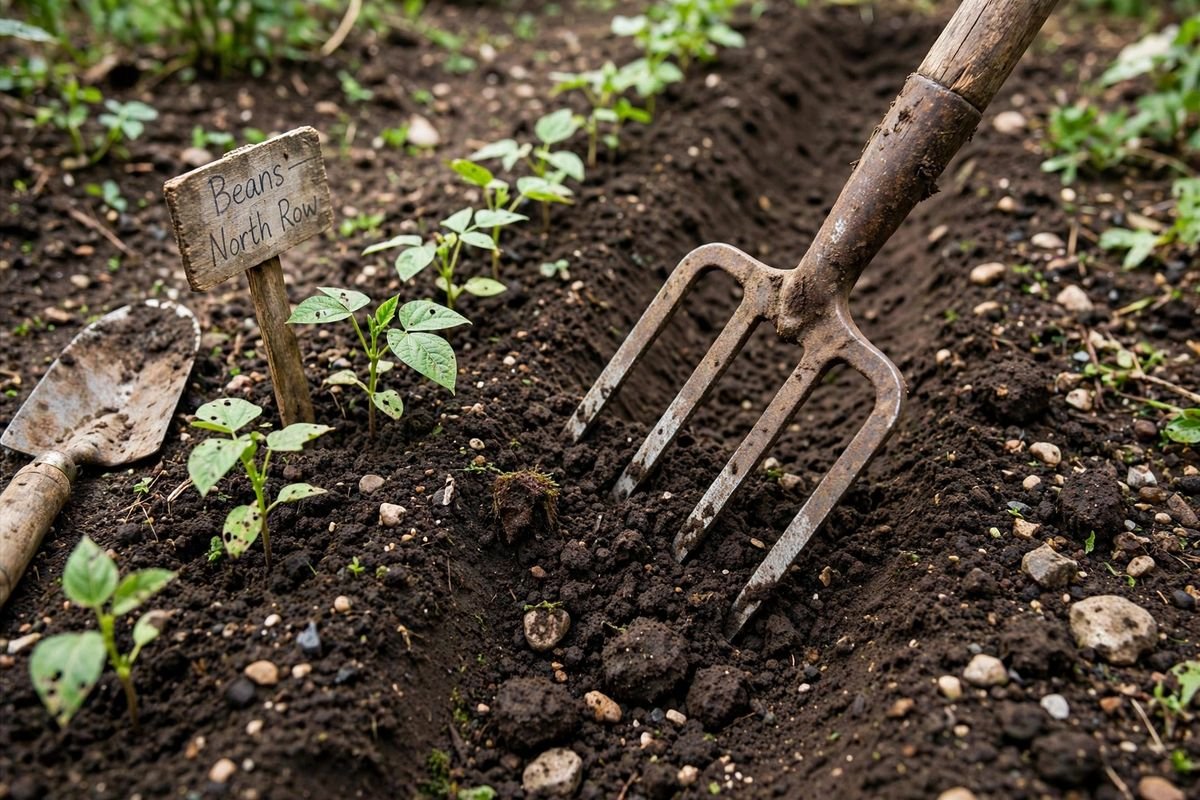
Run the same math at garden scale and the gap widens. Four raised beds at 32 cubic feet each need 128 cubic feet, about 4.7 cubic yards, before planting. Four in-ground plots amended at 2 inches need about 21 cubic feet total. For a large garden, that difference alone can settle the question. For a small patio-adjacent plot with poor soil, the bed’s one-time fill can be the cheaper path to a productive first season once failed plants and repeated amendments enter the ledger.
Soil quality and control
A raised bed lets you set texture and fertility on day one, which matters most where native soil fights back: heavy clay that stays cold and wet, sand that holds nothing, rubble-filled builder soil, or ground you do not trust for food growing. A soil test still helps, since it tells you what the mix below contributes once roots push past the fill, but the growing environment at planting is yours to choose. Gardeners who love that control often enjoy container gardening for beginners for the same reason: a defined volume, a known mix.
In-ground soil is a longer project with a higher ceiling. Compost, cover crops, and mulch build structure year after year, and deep-rooted crops tap moisture and minerals well below the worked layer. The first season in raw clay or sand can be humbling, and honest expectations help: amend, mulch heavily, and choose forgiving crops while the soil comes around. Where a test shows contamination concerns, raised beds with a barrier and clean fill are the prudent route, full stop.
Water and drainage
Elevation drains. A raised bed sheds excess water freely, which rescues roots in a wet spring and demands attention in a dry July. Expect to water beds more often than in-ground rows during heat, and expect mulch to pay for itself quickly. Drip lines or soaker hoses suit both systems and cut the hand-watering burden once the garden grows past a bed or two.
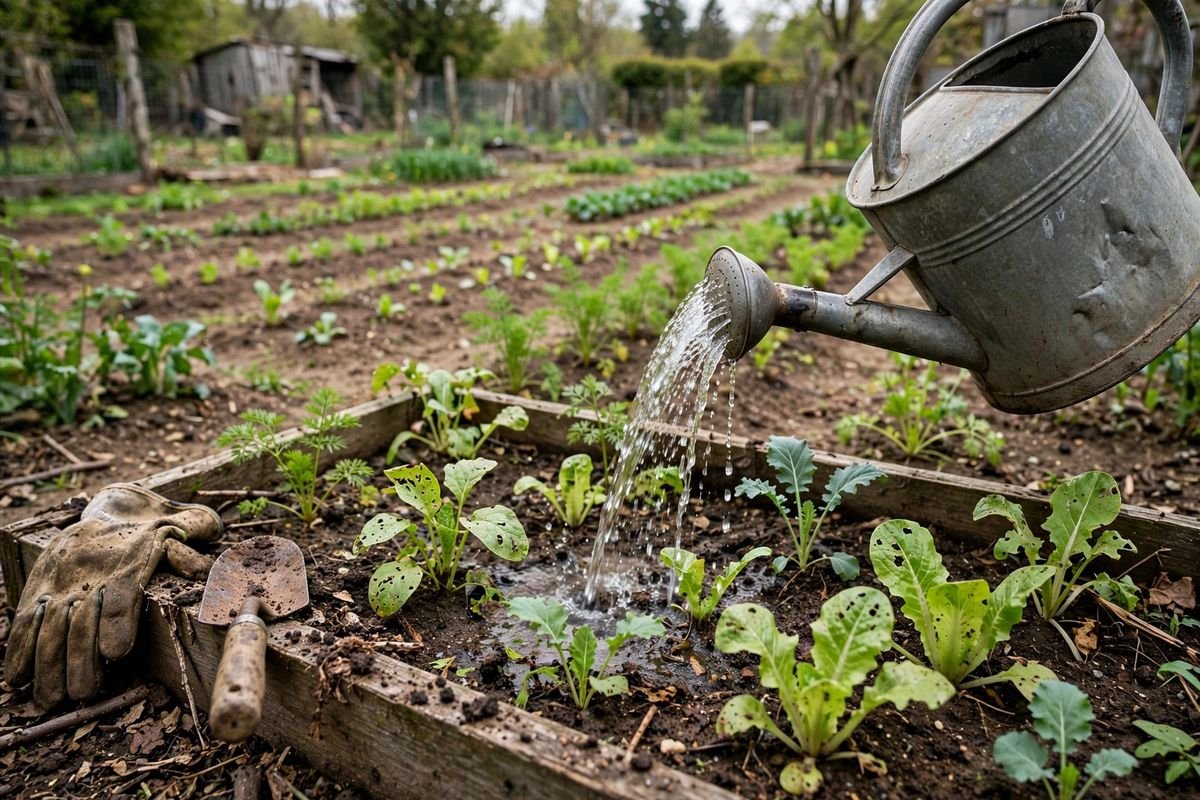
In-ground water behavior follows your soil. Clay holds moisture between rains and can drown roots after a storm. Sand drains before roots drink. Both improve with organic matter, which is one more reason the amendment math above matters: every cubic foot of compost worked in nudges the plot toward the middle, holding water longer without staying soggy.
Comfort, access, and the shape of work
Height is the raised bed’s kindest feature. A frame at 12 to 24 inches brings the work closer, defines where feet and knees go, and keeps paths and planting areas separate, so soil in the bed stays uncompacted by footsteps. Gardeners with limited mobility often find that a taller bed, reachable from a seated position, keeps gardening in their life. Builds like a raised garden bed kit make that height straightforward to set up, and a sturdy raised garden bed kit with finished edges is easier on hands and forearms across a long season — check the listing for height, edge finish, and hardware before ordering.
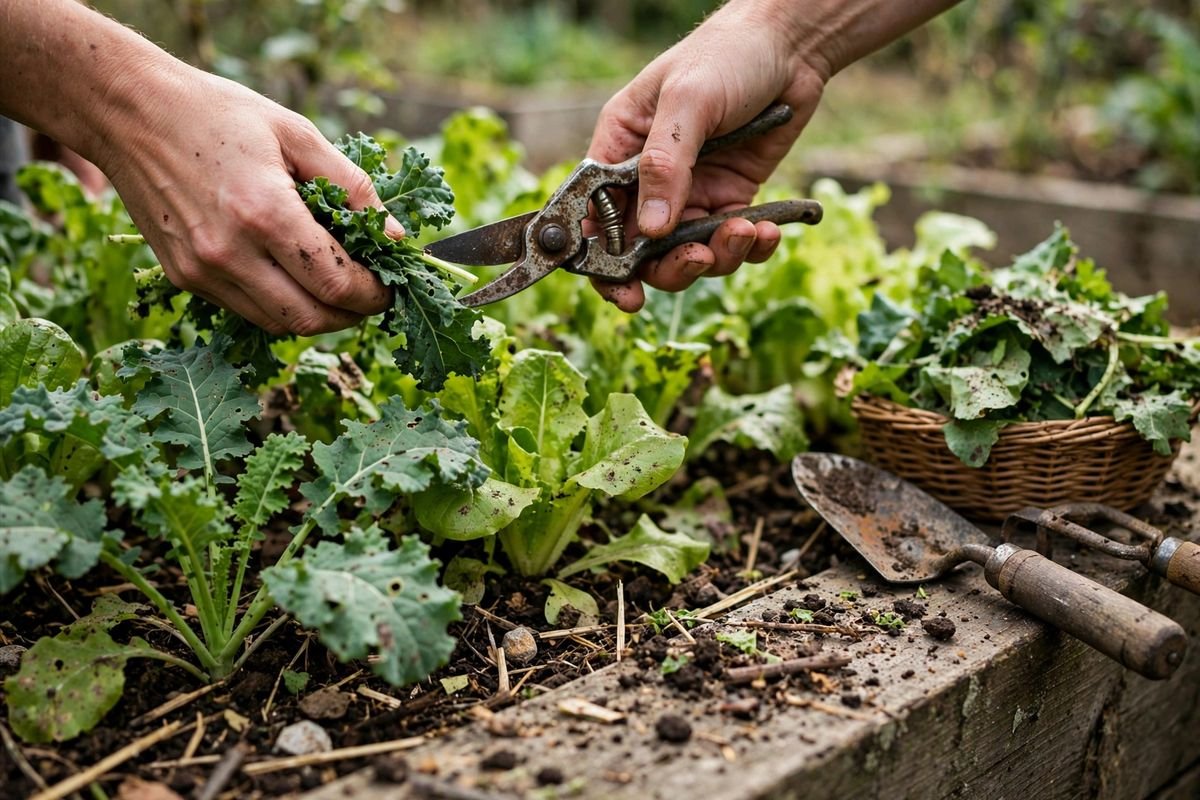
In-ground gardening asks more of your body and gives more freedom in return. Rows bend around trees, beds widen or narrow each spring, and there is no frame to level, repair, or replace. Kneeling pads, long-handled tools, and wide paths recover much of the comfort. The work also spreads out: digging and amending in spring, steady weeding where edges meet lawn, and no frame corners to trim around.
Weed pressure differs in degree, not in kind. Raised beds start cleaner because the fill is fresh, and their defined edges make creeping grass easy to spot and stop. Over seasons, wind and birds seed both systems alike. In-ground plots near lawn need a maintained edge or barrier to slow grass runners, and that edging chore is real, recurring, and worth counting honestly.
Pros and cons
Raised beds
- Pros: known soil mix from day one, free drainage, less bending, clear paths, no foot compaction in the planting area, workable over poor or untrusted ground.
- Pros: soil warms promptly in spring, and frames keep tidy order in small yards.
- Cons: highest startup volume and cost per square foot, dries faster in heat, frame eventually needs repair or replacement, and size is fixed once built.
- Cons: scaling to a large area multiplies frame and fill costs quickly, per the math above.
In-ground gardens
- Pros: lowest startup volume and cost in workable soil, scales to large plots cheaply, deep roots reach moisture below the worked layer, and layout can change every season.
- Pros: soil life builds across years with compost and cover crops, with no frame to maintain.
- Cons: soil quality starts at whatever the site gives you, drainage follows the native texture, and clay or sand can limit the first seasons.
- Cons: more bending and kneeling, grass edges need steady attention, and untrusted ground rules the option out for food crops.
Which should you choose?
Choose a raised bed if your native soil is heavy clay, thin sand, rocky fill, or of unknown history and you want a reliable first season. Choose a raised bed if bending and kneeling limit your gardening and a taller frame keeps the work comfortable. Choose a raised bed if your space is small and defined, and tidy edges matter to the household. Choose a raised bed if spring drainage has drowned seedlings before and elevation solves a known problem.
Choose in-ground if your soil is workable loam, or decent soil you are glad to improve across seasons. Choose in-ground if you garden at larger scale, where frame and fill costs multiply fastest. Choose in-ground if you want layout freedom, deep-rooted crops, and the lowest startup bill. Choose in-ground if amending with your own compost each year sounds like a pleasure rather than a chore.
Plenty of gardens choose both: a few raised beds near the kitchen door for salads, herbs, and comfort, with in-ground rows beyond for sweet corn, squash, and the big soil-building project. That mix plays to each system’s strengths, and starting with one format this season leaves the other open next spring. Either way, test the soil, mulch the surface, and keep notes. Your own plot settles this debate within a season or two, and those notes are worth more than any general ranking — ours included.