
This post may contain affiliate links. If you buy through links on this page, we may earn a commission at no extra cost to you.
As an Amazon Associate I earn from qualifying purchases.
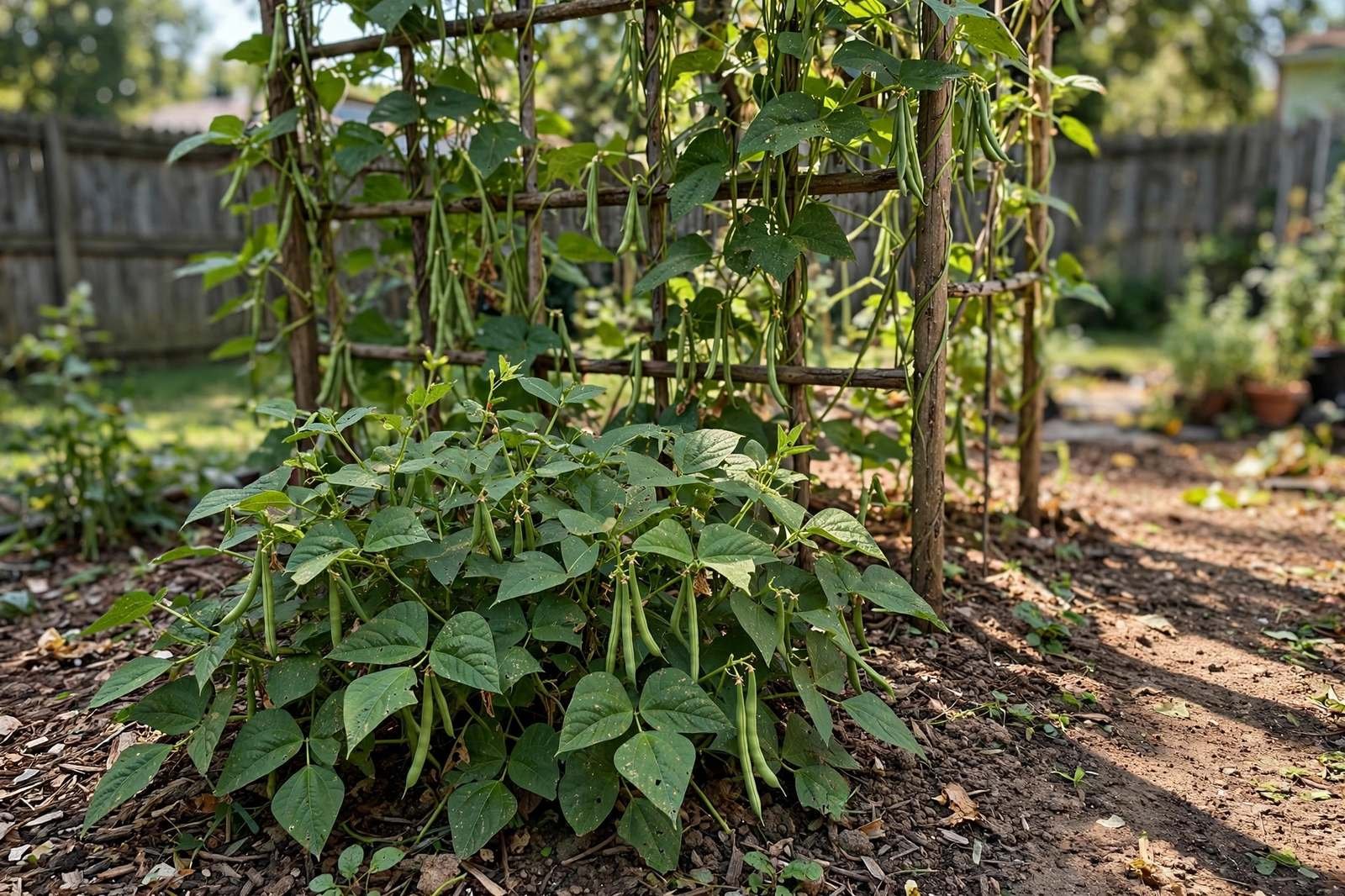
Green beans give us one of the friendliest harvests in the summer garden. Bush plants stay compact, pole plants climb and produce over a long stretch, and both reward steady picking with tender pods for the table. Seed is large, sprouts fast in warm soil, and asks for little beyond sun, support where needed, and water at the roots. A short row can fill the colander several times a week at peak season.
This guide covers the choices that shape success: bush or pole habit, sowing depth and timing, spacing for airflow, trellis options, and the watering and picking rhythm that keeps pods crisp instead of tough. We also share variety ideas for beds and containers, harvest cues, and fixes for yellow leaves, poor flowering, and tough pods. Gardeners laying out a first bed often pair beans with other summer staples, and the layout steps in our guide to starting a vegetable garden help us place rows and supports before seed goes in.
| Sun | Full sun, 6 to 8 hours of direct light or more |
|---|---|
| Soil | Well-drained soil, pH 6.0 to 7.0; light compost before sowing |
| Sowing depth | 1 inch deep; sow outdoors after all danger of frost has passed |
| Spacing | Bush: 4 to 6 inches apart in rows 18 to 24 inches apart. Pole: 6 to 8 inches around supports |
| Water | About 1 inch per week; water at the base and avoid wetting foliage |
| Days to harvest | Bush about 50 to 55 days; pole about 60 to 65 days from sowing |
| Common problems | Bean beetles, aphids, rust, tough pods from late picking |
Why Grow Green Beans
Few crops match green beans for steady return on a small space. Bush beans give a concentrated harvest that suits canning and freezing weeks, while pole beans spread the harvest across many weeks from the same footprint. Both types fix nitrogen in partnership with soil bacteria, so the bed often grows the next crop a little better for the beans having grown there.
Beans also suit gardens of every scale. A single row in a raised bed, a teepee in a family garden, or a large pot of bush beans on a sunny patio all produce well with the same basic care. Because the seed is large and the seedlings emerge with visible vigor, newer growers find beans encouraging to watch and easy to thin. Our roundup of easiest vegetables for beginners includes beans for exactly that reason: fast sprouting, clear harvest cues, and a forgiving nature in warm weather.
Kitchen flexibility seals the case. Tender pods go into stir-fries, salads, soups, and simple steamed sides, and surplus freezes well after a brief blanch. Picked young, the pods stay crisp and sweet, and the plants respond to picking by setting more flowers.
When to Plant Green Beans
Beans need warm soil and frost-free nights. Cold, wet soil rots seed before sprouting, and a late frost damages tender seedlings. We sow after the last spring frost, once soil warms toward 70 degrees Fahrenheit and nights hold reliably above 50 degrees. Germination races ahead in warm ground and crawls in cold ground, so patience at sowing prevents patchy stands.
Use your local frost dates and regional planting guidance — not your USDA hardiness zone alone — to choose planting dates. County extension calendars reflect local frost patterns and soil warming in a way a zone number cannot, and planting by those dates gives seed the warm start the crop needs. Bush beans reward succession sowing every two to three weeks through midsummer for a steady supply, while one spring sowing of pole beans often produces until fall frost.
Starting beans indoors rarely helps. Seedlings grow fast, roots dislike disturbance, and direct-sown plants catch up quickly in warm soil. In short-season gardens, sowing as soon as soil warms and frost risk passes gives the longest harvest window without transplant setbacks.
How to Plant Green Beans
We choose a sunny site with soil that drains after rain and no standing puddles. Beans dislike heavy, cold clay that stays soggy, so raised beds or amended rows perform best where drainage is slow. Before sowing, we loosen the top 6 to 8 inches, rake the surface level, and work in an inch or two of finished compost. Rich soil helps, but heavy nitrogen feeding pushes leafy growth over flowers, so we keep fertility moderate.
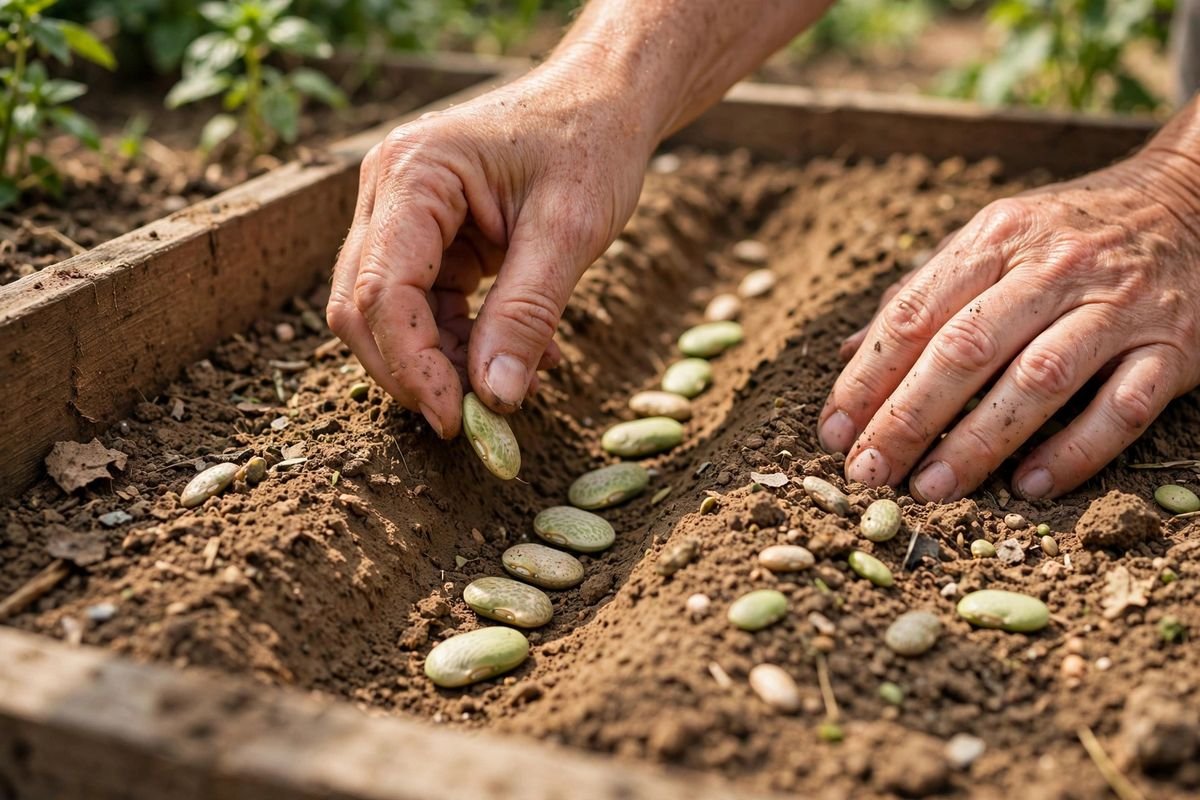
We sow seed 1 inch deep and firm the soil gently for good contact. Bush beans go 4 to 6 inches apart within the row, and pole beans go 6 to 8 inches apart around the base of the trellis or teepee. Water after sowing to settle soil around the seed, then keep the seedbed evenly moist until sprouts emerge, usually in seven to ten days in warm weather.
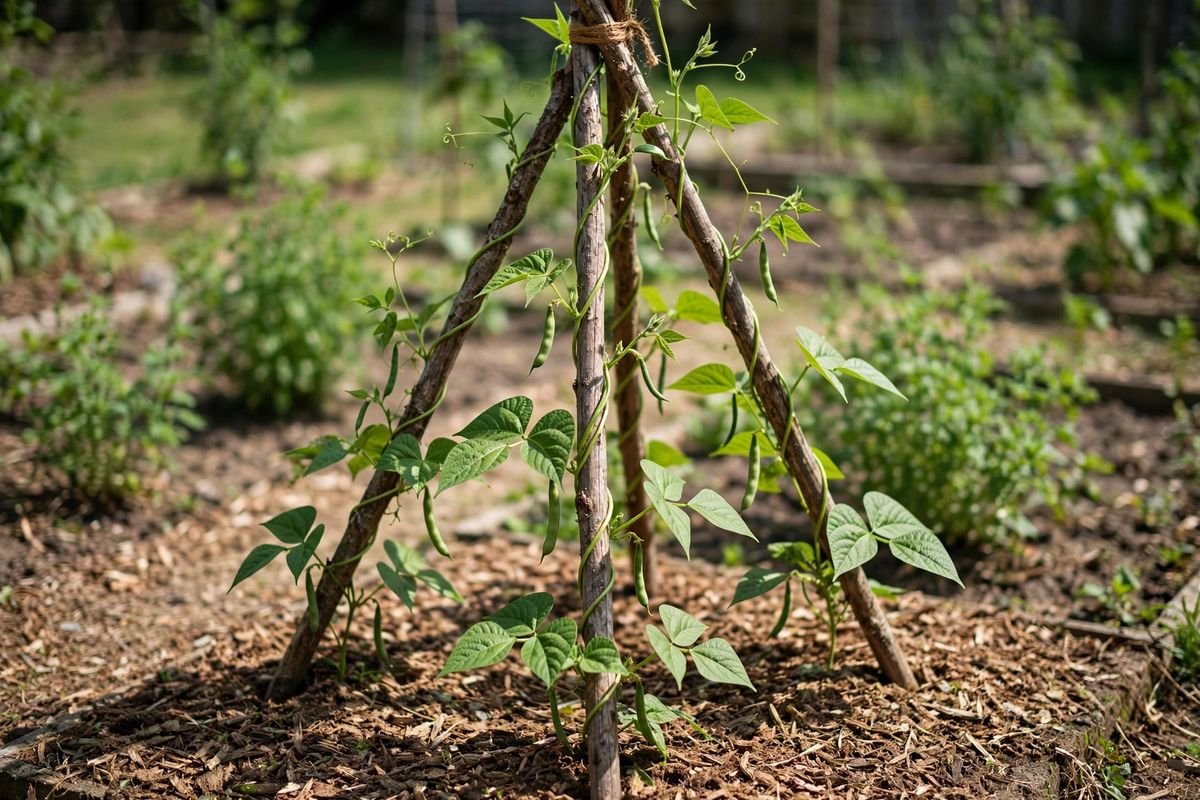
Support goes in at sowing time for pole types. Setting poles, netting, or a teepee before vines start climbing avoids root disturbance later and gives tendrils something to find from the first week of growth. A fresh mix of bush and pole bean seed lets us match habit to bed space without overbuying.
Spacing and Support
Spacing protects airflow and makes harvest easier. Bush rows 18 to 24 inches apart let us walk and pick without brushing wet foliage, which spreads disease. Within the row, plants spaced 4 to 6 inches apart form a loose canopy that shades soil yet still dries after morning dew.
Pole beans climb 6 to 8 feet or more, so support height and strength matter. Sturdy poles, cattle panels, string trellises, and teepees all work when anchored firmly against summer wind and the weight of loaded vines. We set supports before sowing, sink poles deeply, and lash crosspieces where the structure needs bracing. Vines twine on their own once tendrils touch support, though a gentle early guide toward the pole helps young plants find the climb.
In containers, bush beans suit pots of at least 3 to 5 gallons with drainage holes. Pole beans need a tall, stable trellis secured to the pot or a nearby railing so wind cannot topple the planting. Container soil dries faster than bed soil, so we check moisture often during hot spells.
Caring for Green Bean Plants
Beans want about an inch of water per week, more during flowering and pod set in hot weather. We water at the base in the morning and keep foliage as dry as practical, since wet leaves invite rust and bacterial spots. Mulch helps once seedlings stand several inches tall: a 2-inch layer of straw or shredded leaves holds soil moisture, slows weeds, and keeps pods cleaner after rain.
Weeding stays gentle. Bean roots run shallow, so deep hoeing near stems damages the feeder roots that support flowering. Hand pulling weeds while soil is damp and keeping mulch refreshed does the job without disturbing the planting. Where weeds press in from bed edges, a quick shallow scrape between rows, kept away from stems, maintains the gap.
Feeding stays light. Beans partner with soil bacteria to capture nitrogen, so heavy fertilizer is rarely needed and often counterproductive. Compost before sowing usually carries the crop. Where soil is very sandy or plants pale midseason despite steady water, a light side dressing of compost supports new growth without forcing lush leaves. The steady watering rhythm we use for other warm-season beds translates well to bean rows with only small adjustments.
Succession keeps bush plantings productive. Flowering slows on older bush plants after the main flush, so fresh sowings every few weeks bridge the gap. Pole plants, by contrast, keep flowering on new vine growth, and steady picking extends production until frost.
Best Green Bean Varieties to Try
Variety choice starts with habit. Bush types mature faster, bear heavily over a few weeks, and fit small beds and containers. Pole types take longer to start but yield over a longer stretch and use vertical space well. Flat Italian types, round filet types, and classic round pods offer kitchen variety while sharing the same basic care.
For small beds and pots, compact bush varieties give the tidiest plants and the fastest first harvest. For trellises and teepees, vigorous pole varieties repay the support with weeks of picking. Where summers run humid, varieties noted for rust resistance hold foliage longer and keep pods coming after susceptible types fade.
Stringless types simplify kitchen prep, and most modern varieties bear pods with little or no string when picked young. Even so-called stringless pods turn tough and stringy when left oversized, so variety never replaces timely harvest. Reading the packet for days to maturity, habit, and disease notes helps us match the plant to the bed and avoids the common mismatch of a tall pole type sown without support.
Harvesting Green Beans
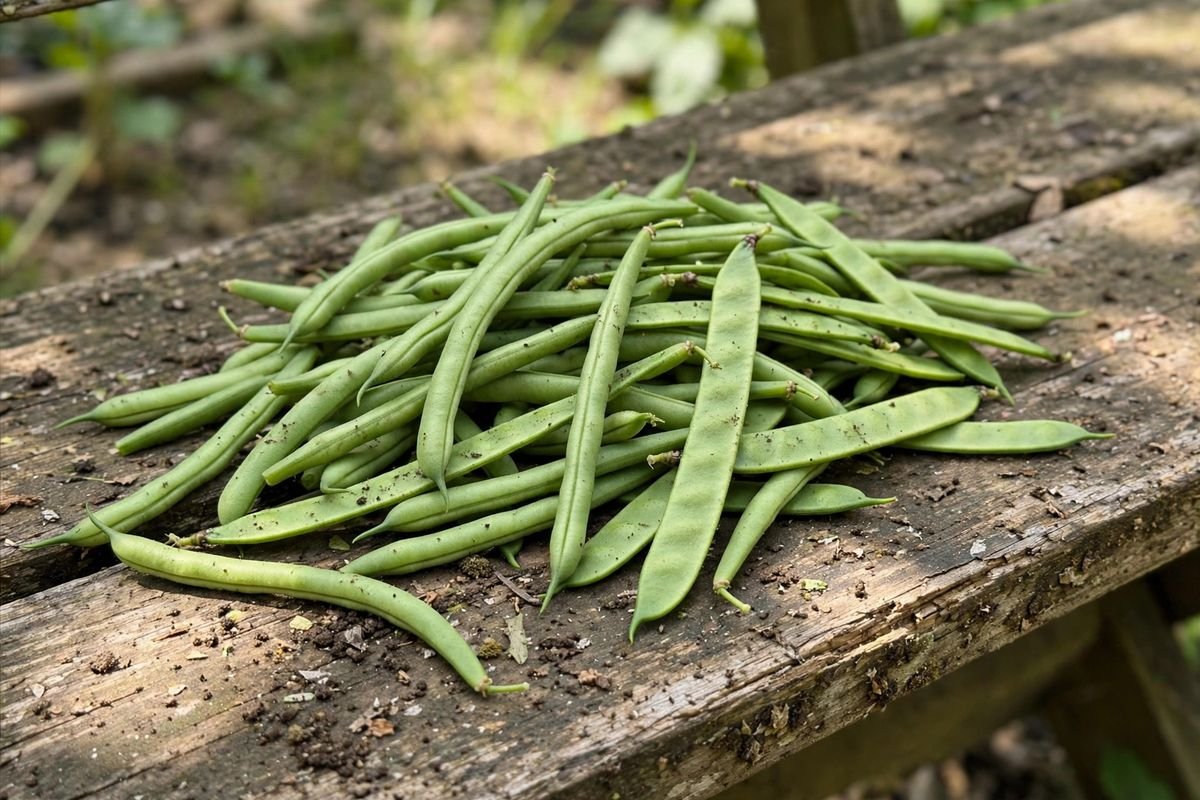
Timely picking decides tenderness. We harvest pods when they reach pencil thickness, feel firm and crisp, and show small, barely formed seeds inside. Oversized pods turn tough, stringy, and dull, and seeds swell at the expense of pod quality. At peak season, plants need checking every day or two, because warm weather sizes pods quickly.
We pick with two hands: one holds the stem, the other snaps or cuts the pod free. Yanking pods one-handed can uproot bush plants and tear pole vines. Scissors or pruners give clean cuts on crowded vines and reduce stem damage. Morning harvest, after dew dries, gives crisp pods and drier foliage handling, which limits disease spread.
Steady picking keeps plants flowering. Pods left to mature seeds signal the plant to slow flower production, while regular harvest tells the plant to keep setting new pods. A light harvest basket and a quick pass through the rows every other day keep quality high and prevent the tough-pod glut that follows a missed week. Fresh pods keep several days refrigerated in a loose bag, and surplus blanches and freezes well for winter meals.
Troubleshooting Green Bean Problems
Why are leaves yellowing?
Cold soil early in the season, waterlogged beds, and simple nitrogen hunger in very poor soil all yellow bean leaves. We confirm drainage first, then check watering rhythm. Where soil stays soggy, raised beds and lighter watering fix most cases. Pale older plants late in the bush harvest often signal natural decline, and succession sowings carry production forward.
Why are flowers dropping without pods?
Heat above 90 degrees Fahrenheit, drought stress, and very hot nights can cause blossom drop. Steady watering through heat waves and mulch to cool the root zone help plants resume pod set when temperatures moderate. Flowers also need pollinator visits, though beans self-pollinate readily, so weather and water explain most gaps.
What is chewing holes in leaves?
Mexican bean beetles and Japanese beetles both chew bean foliage. We handpick beetles into soapy water during morning checks, cover young plantings with row cover until flowering, and keep the bed clear of debris where beetles shelter. Light chewing rarely harms yield, but heavy defoliation weakens plants and calls for prompt picking.
Why are pods tough and stringy?
Late picking is the usual answer. Pods picked past pencil thickness develop strings and tough walls regardless of variety claims. Dry weather worsens toughness, so steady water plus harvest every day or two restores tender quality on new pods.
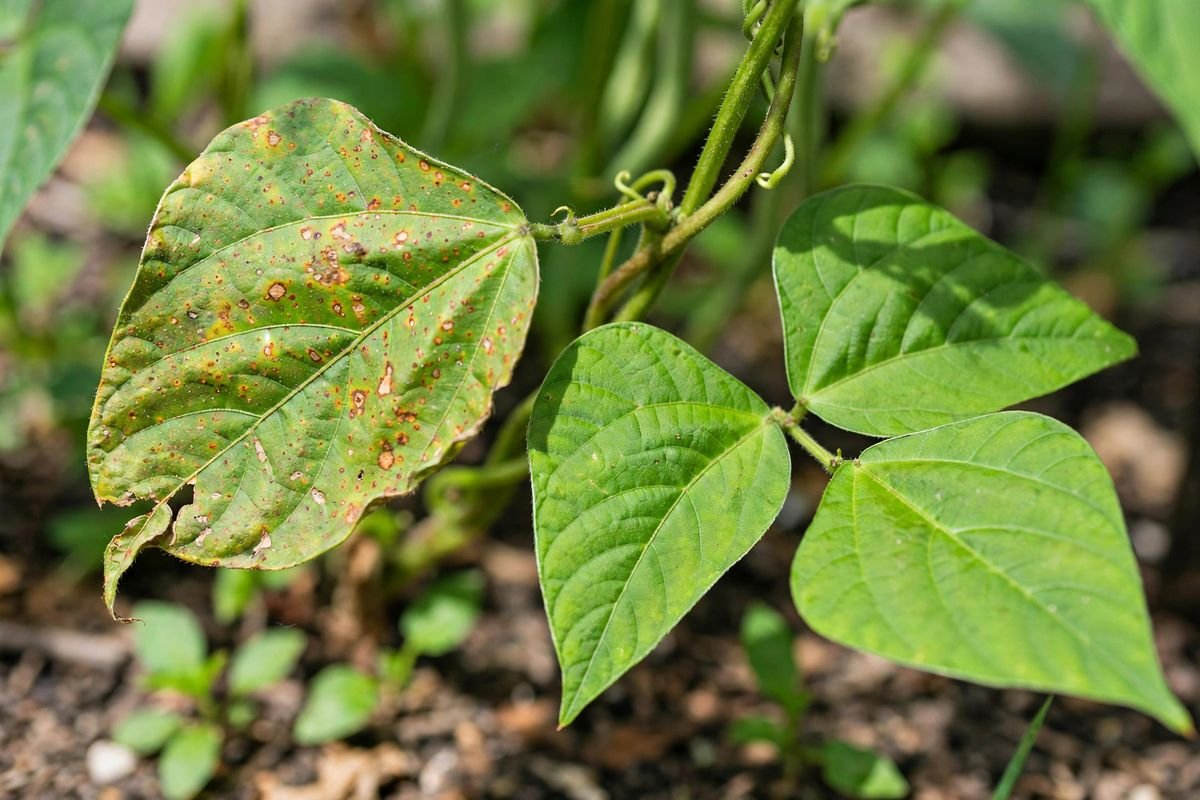
Most bean troubles ease with warm soil at sowing, airflow through the canopy, and picking on schedule. Where a planting struggles despite those basics, a fresh succession sowing often outperforms rescue efforts on tired plants.
FAQ
Bush or pole beans: which should we grow?
Bush beans suit small beds, containers, and canning harvests concentrated in a few weeks. Pole beans suit trellises and gardeners who prefer a long, steady harvest from a small footprint. Many gardens grow both.
How often should we sow bush beans?
Every two to three weeks from late spring through midsummer gives a near-continuous supply. Each sowing bears heavily, slows, and hands off to the next planting without a bare gap in the colander.
Do beans need fertilizer?
Rarely in average soil. Compost before sowing usually suffices, and beans capture nitrogen through root partnerships. Heavy nitrogen feeding grows leaves at the expense of flowers and pods.
When does the harvest end?
Frost ends the season. Pole plants produce until frost when picked steadily, while bush plantings end as each succession ages out. A late-summer bush sowing often gives a final fall flush in mild weather.
Sources & Further Reading
- University of Minnesota Extension — growing beans in the home garden, sowing and harvest guidance (extension.umn.edu)
- Colorado State University Extension — snap beans, warm soil and spacing needs (extension.colostate.edu)
- Iowa State University Extension and Outreach — planting and harvesting snap beans (extension.iastate.edu)
- University of California Agriculture and Natural Resources — bean pests and trellis support notes (ucanr.edu)
Keep exploring:
- Container Gardening for Beginners for pot sizes and watering basics for bush beans on patios.
- How to Make Compost at Home for the light soil feeding beans prefer.
Warm soil, a sturdy trellis where vines climb, and a basket pass every other day — that steady rhythm keeps pods crisp from the first picking to frost. Will our rows hold fast bush beans, tall pole vines, or a little of both this season?