
This post may contain affiliate links. If you buy through links on this page, we may earn a commission at no extra cost to you.
As an Amazon Associate I earn from qualifying purchases.
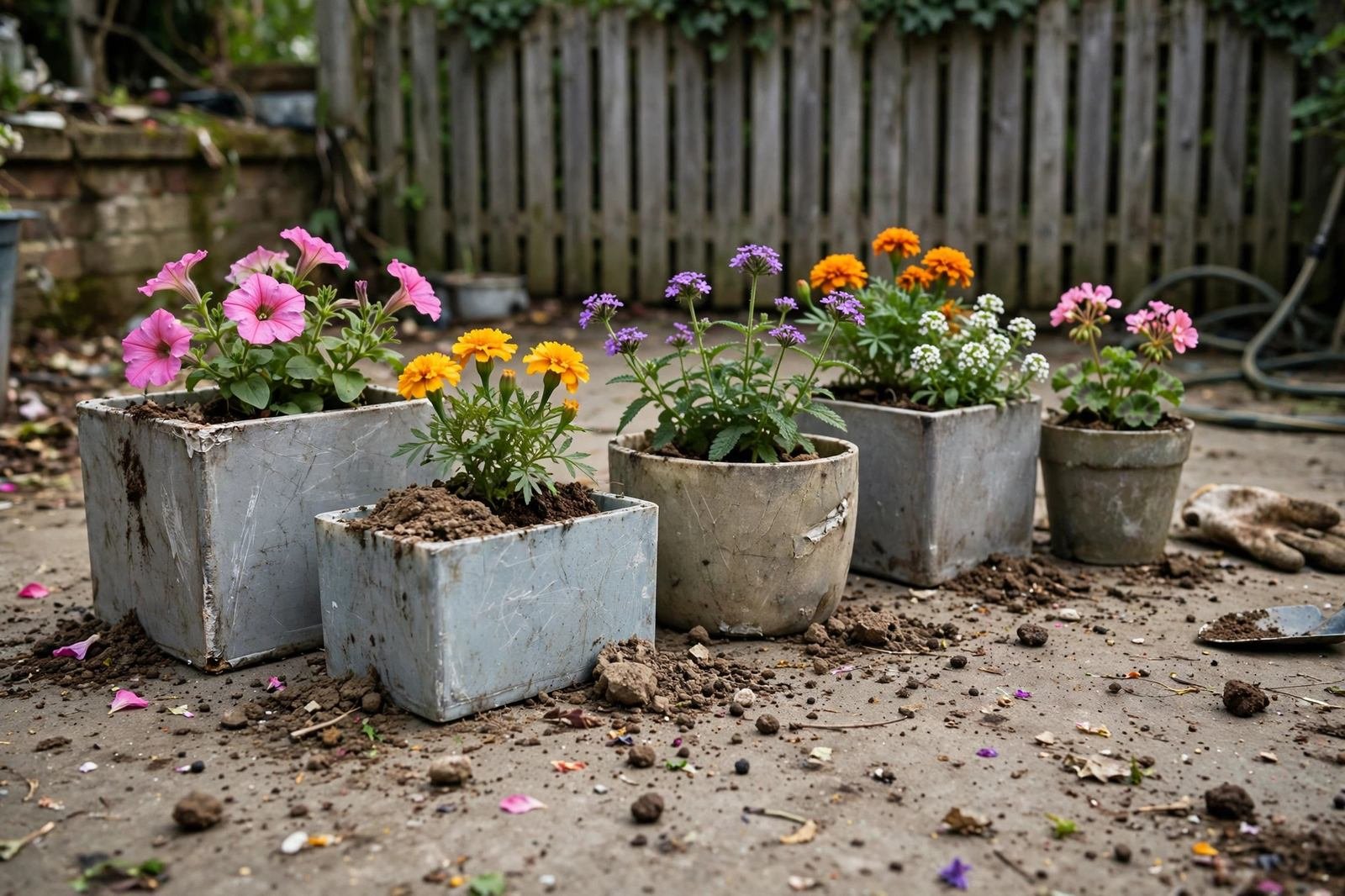
A light planter changes how a patio works. You can move it for sun, shift it for a party, and carry it inside before a storm. A heavy ceramic pot stays where it lands, and that limits your options. The trade is stability. A light planter tips easier in wind, dries faster in sun, and needs a different setup from a heavy pot. This guide covers what makes a planter light, how to keep it upright, and when a light planter is the wrong pick.
We have not tested the products linked here, and we give no current store prices. The links below go to search pages for planter types, so you can compare current options, sizes, and prices at the time you shop.
What makes a planter light
Material decides most of the weight. A 14-inch resin planter weighs about 3 to 5 pounds empty, while the same size in ceramic weighs 15 to 20 pounds empty. A 14-inch fiberglass planter weighs about 6 to 8 pounds empty. Those empty weights matter when you move pots often, but the full weight matters more for daily use.
Fill weight swamps material weight in large sizes. A 14-inch planter holds about 0.7 cubic feet of mix. Wet mix weighs roughly 40 pounds per cubic foot, so the soil weighs about 28 pounds when wet. The full resin planter weighs about 31 to 33 pounds, and the full ceramic planter weighs about 43 to 48 pounds. The gap is real, but both need two hands. The real gain from a light planter shows up when it is empty or half full, such as at planting time and at season end.
Wall thickness also plays a part. Thin-walled resin planters weigh less but flex when lifted by the rim. Thick-walled resin planters weigh a bit more but hold their shape when full. Lift a planter by its rim before you buy if you can, and pick one that keeps its shape under load.
Keeping light pots from blowing over
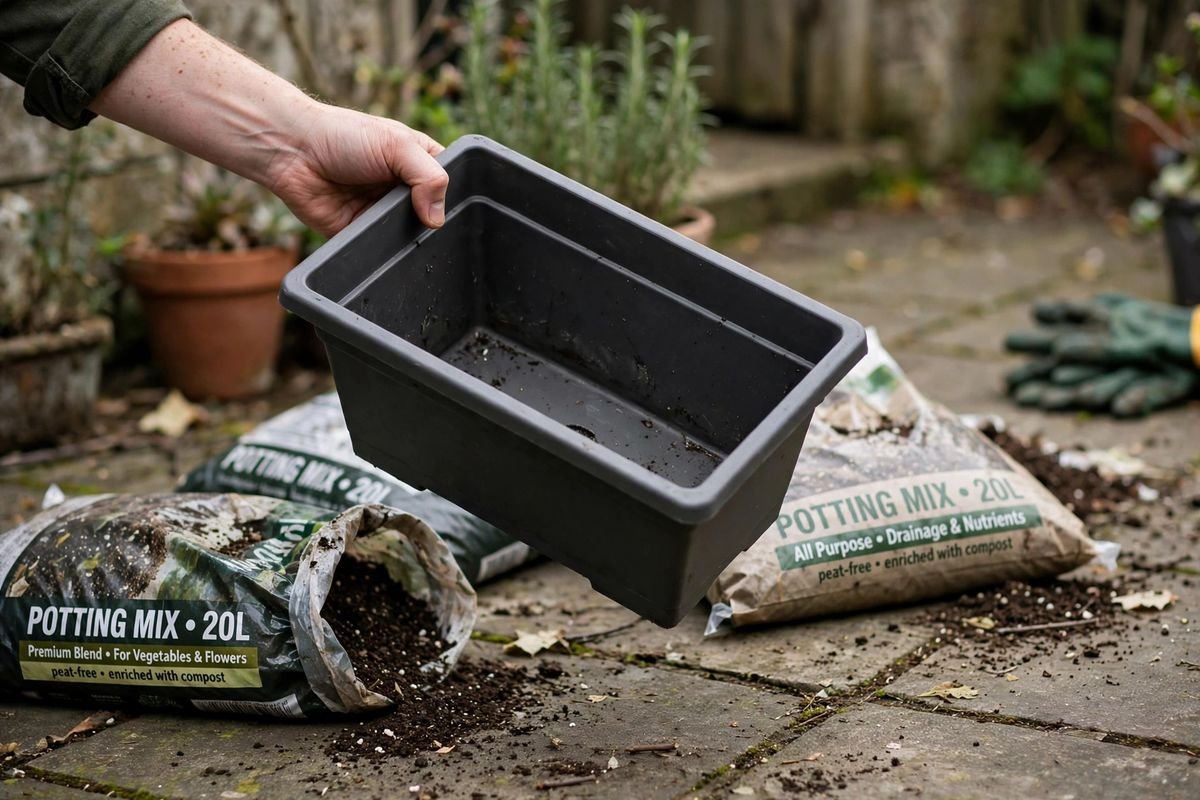
Wind tips a light planter when the plant acts as a sail. A tall plant in a light pot raises the center of gravity, and a gust pushes the top while the base stays light. Three fixes help. First, add weight low in the pot. A layer of gravel or a few bricks at the bottom adds 5 to 10 pounds where it counts, but keep drainage open so water still leaves.
Second, group planters together. A row of planters shields each other from wind and adds friction between pots. A single light planter on an open patio corner tips far easier than the same planter tucked against a wall with two neighbors beside it.
Third, pick a wide base for tall plants. A planter that is wider at the base than at the rim resists tipping better than a straight-sided pot. For a plant over 3 feet tall, use a planter at least 16 inches wide at the base, and keep the plant pruned so the top stays balanced over the pot.
Light pots for renters and patios
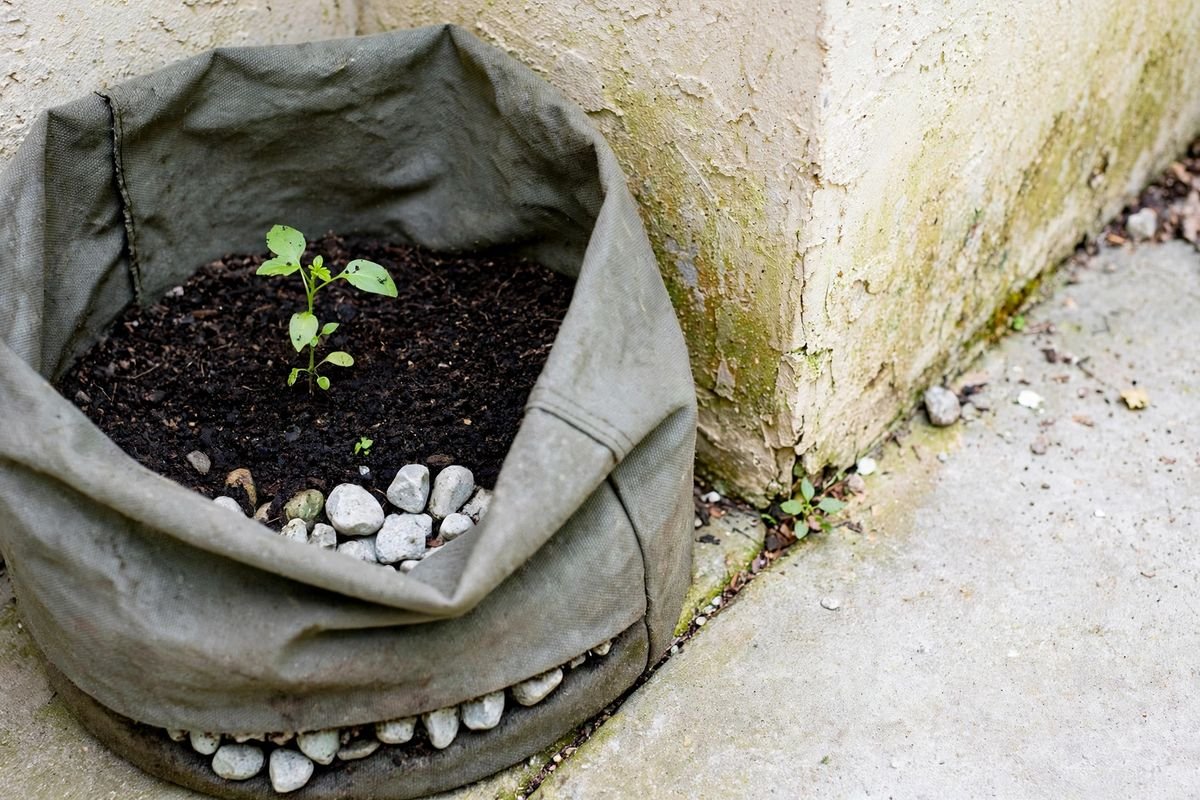
Renters gain most from light planters. A move means carrying every pot, and light planters cut that work sharply. At season end, empty resin planters stack inside each other and store in a closet. Ceramic pots need careful packing and take more space.
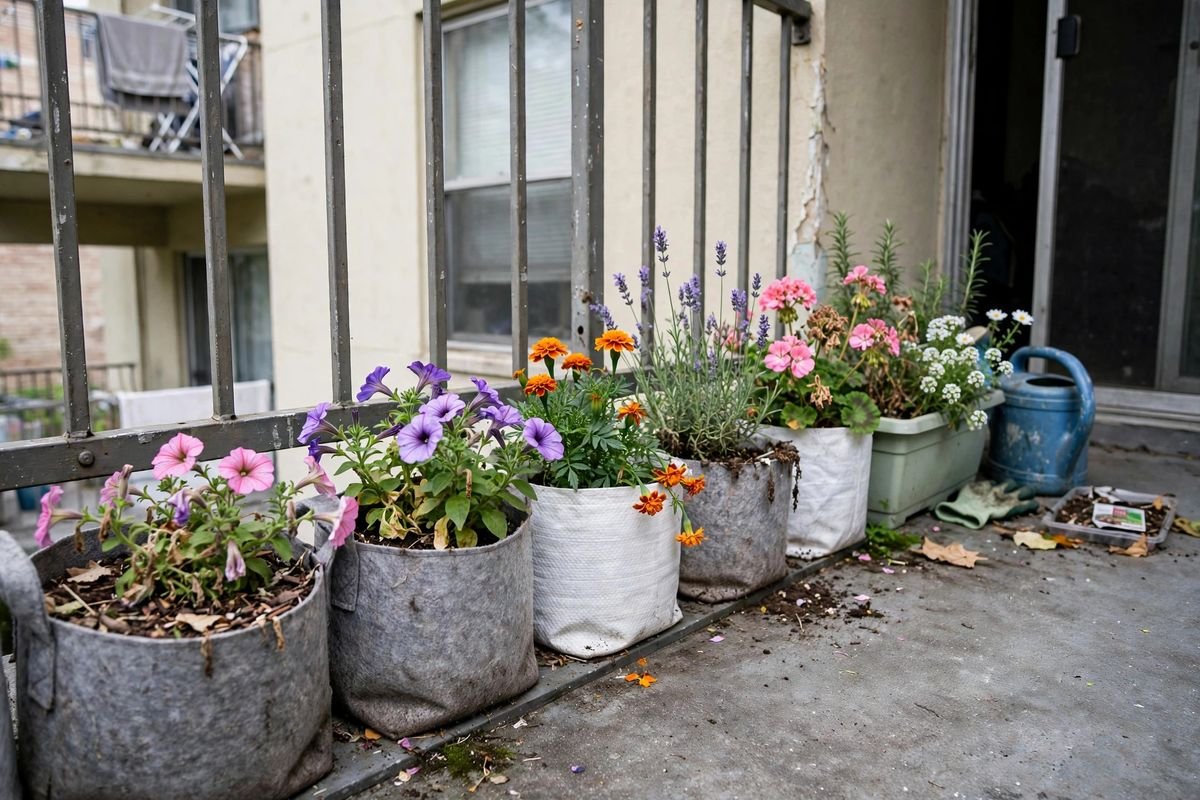
On a balcony with a weight limit, light planters also help. A balcony rated for a set total load fills fast with soil weight alone. Saving 10 to 15 pounds per pot on the pot itself lets you keep one more planter within the same total load. Check your building rules for balcony loads before you add many large planters, since soil weight dominates the total.
Light planters suit seasonal displays too. Swap summer flowers for fall greens by moving the whole planter, not by replanting in place. A light planter moves with the plant intact, so a display change takes minutes instead of an afternoon of replanting.
When a light pot is the wrong pick
A light planter fails for top-heavy plants in windy spots. A small tree, a tall rose, or a large shrub in a light pot tips in the first strong gust, even with gravel at the bottom. For plants over 4 feet tall, use a heavy pot or a planter fixed to a base. The same rule covers planters on high balconies, where a falling pot is dangerous.
Light planters also dry faster in hot sun. Thin resin walls pass heat to the soil, and the soil dries from the sides as well as the top. In full sun, a light planter may need water daily, while a thick wood planter in the same spot needs water every other day. Mulch and grouping help, but they do not close the gap fully.
For a worked example, compare two 14-inch planters in full sun. The resin planter holds 0.7 cubic feet of mix and loses about 0.5 gallons of water on a hot day. The wood planter of the same size loses about 0.35 gallons, since wood insulates the soil. That difference adds up to about one extra gallon of water per week for the resin planter, which is one extra watering session.
Lightweight planter types compared
| Planter type | Empty weight, 14 inch | Strengths | Limits |
|---|---|---|---|
| Resin or plastic | 3 to 5 pounds | Lightest, many shapes, low upkeep | Heats in sun, tips in wind |
| Fiberglass | 6 to 8 pounds | Light, strong, neat finish | Costs more, cracks if dropped |
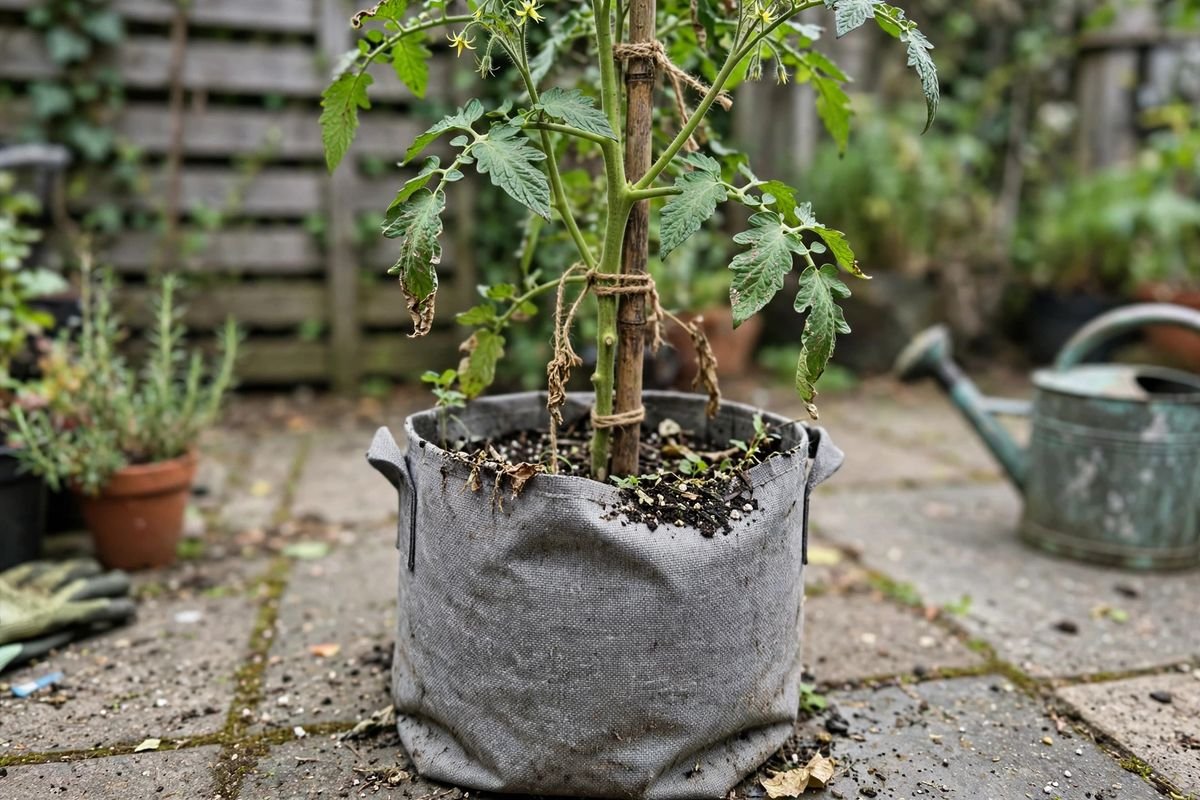
| Fabric grow bag | Under 1 pound | Lightest of all, stores flat | Dries fast, plain look |
| Thin metal | 4 to 6 pounds | Neat, strong, slim | Heats fast, can rust |
To compare current options, search for lightweight planters for patios, fiberglass outdoor planters, and lightweight large flower pots. Compare empty weight, base width, and wall thickness before you compare color or shape.
Questions
A light planter earns its place when you move pots often, rent, or garden on a balcony with a load limit. It needs wind fixes and more frequent watering than a heavy pot, so pair it with grouping, mulch, and a watering check each morning. For pot materials in more depth, see terracotta vs plastic pots and fabric grow bags vs plastic pots. For drying problems, how to keep container soil from drying out too fast covers watering methods for thin-walled pots. For balcony setup, how to start a balcony garden covers rails, loads, and wind.