
This post may contain affiliate links. If you buy through links on this page, we may earn a commission at no extra cost to you.
As an Amazon Associate I earn from qualifying purchases.
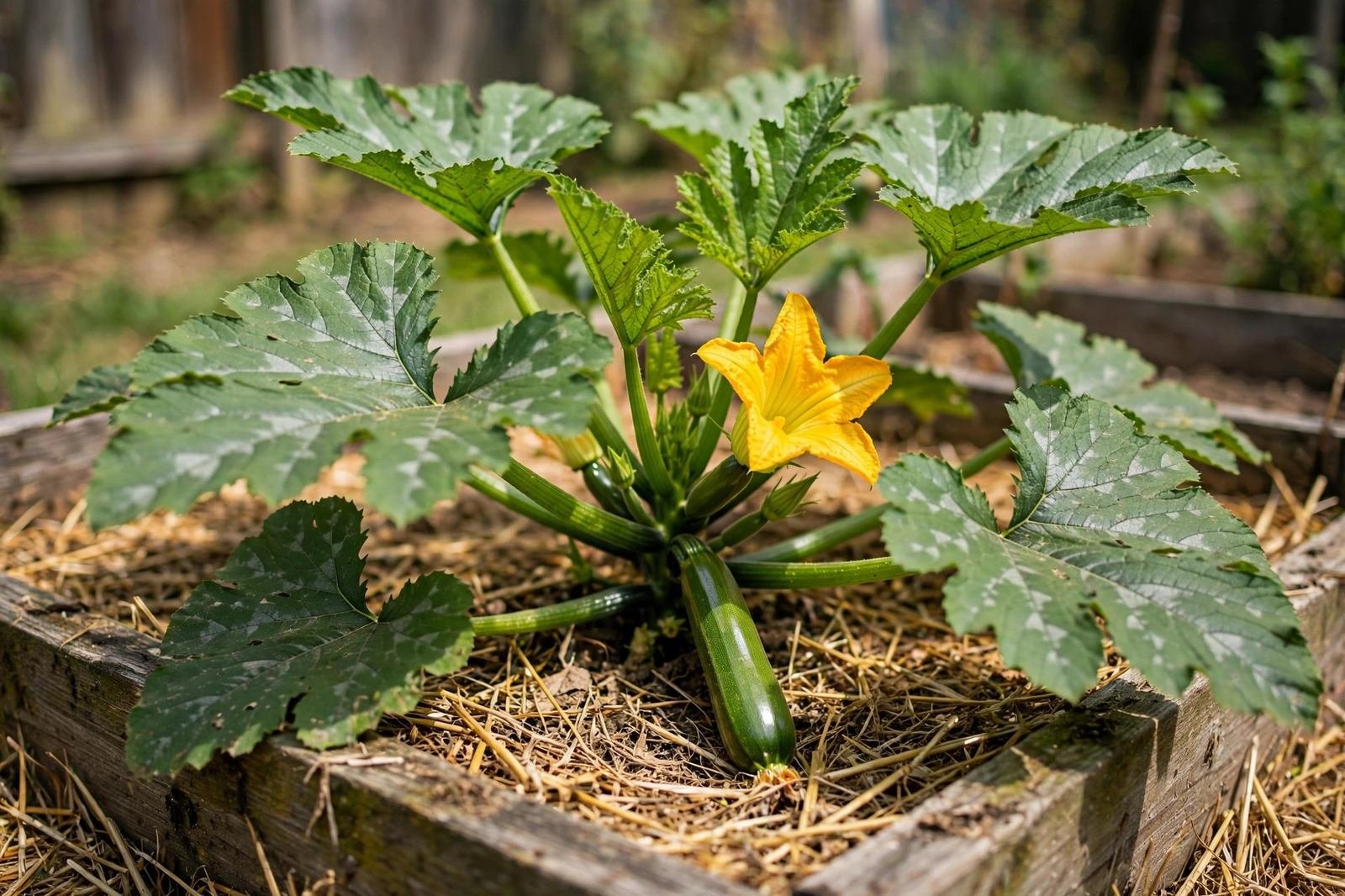
Zucchini earns a place in our summer beds because a few healthy plants give us tender squash for weeks with modest effort. The vines grow fast once warm weather settles, the large leaves shade the soil, and the kitchen harvest starts sooner than most warm-season crops. We sow after the last frost, give each plant generous room, and pick often so the plants keep setting new fruit instead of sinking energy into one oversized squash.
This guide walks through the full season in order: when to sow, how deep to plant, how far apart to space hills and rows, and how we water, feed, and watch for the squash vine borer and powdery mildew. We also cover varieties that suit small and large beds, the harvest size that tastes best, and simple fixes for the problems we see most often. New growers often place zucchini beside other easy summer crops, and the planning steps in our guide to starting a vegetable garden help us set the bed up well before seed goes in the ground.
| Sun | Full sun, 6 to 8 hours of direct light or more |
|---|---|
| Soil | Rich, well-drained soil, pH 6.0 to 7.5, with compost worked in before sowing |
| Sowing depth | 1 inch deep; sow outdoors after all danger of frost has passed |
| Spacing | 24 to 36 inches between plants; 36 to 48 inches between rows |
| Water | About 1 to 1.5 inches per week; water at the base and keep leaves dry |
| Days to harvest | About 45 to 55 days from sowing; pick fruit at 6 to 8 inches long |
| Common problems | Squash vine borer, powdery mildew, blossom end rot, poor pollination |
Why Grow Zucchini
Zucchini rewards a small footprint with a long, generous harvest. One or two plants often supply a household through midsummer, and the fruit works in stir-fries, soups, baked goods, and simple grilled sides. Because the plants grow quickly, we see results fast, which keeps newer growers encouraged and gives experienced growers a reliable crop to tuck between slower plantings.
The large canopy also helps the bed. Broad leaves shade bare soil, slow moisture loss on hot afternoons, and crowd out many weeds once the vines fill in. The bright yellow blossoms draw bees through the morning hours, and the same pollinators visit nearby crops. For gardeners sorting out first plantings, zucchini sits comfortably on our list of easiest vegetables for beginners because seed is large and easy to handle, germination is quick in warm soil, and the harvest window is forgiving when we check plants every day or two.
When to Plant Zucchini
Zucchini is a warm-season crop that stalls in cold soil and suffers damage from even a light frost. We wait until after the last spring frost, when nighttime temperatures stay above 50 degrees Fahrenheit and soil has warmed toward 70 degrees. In most gardens that means sowing from late spring into early summer, with the exact week shifting by region and by the season at hand.
Use your local frost dates and regional planting guidance — not your USDA hardiness zone alone — to choose planting dates. A local extension calendar reflects the frost pattern and soil warming in our county, which a zone number alone cannot show. We check the average last frost date, count forward to reliably warm nights, and then sow. Where summers are long, a second sowing in midsummer replaces tired early plants and extends the harvest into fall.
Starting seed indoors is rarely needed, since seedlings grow so fast outdoors. Where the season is short, we start seed in biodegradable pots two to three weeks before the last frost and transplant gently, because squash roots resent disturbance.
How to Plant Zucchini
We prepare the bed before sowing. The site needs full sun and soil that drains freely after rain. We loosen the top 8 to 10 inches, remove large stones and old roots, and work in 2 to 3 inches of finished compost. Finished compost gives roots the rich, crumbly texture the plants love. Where soil is heavy clay, a raised bed or a wide mound improves drainage and warms faster in spring.
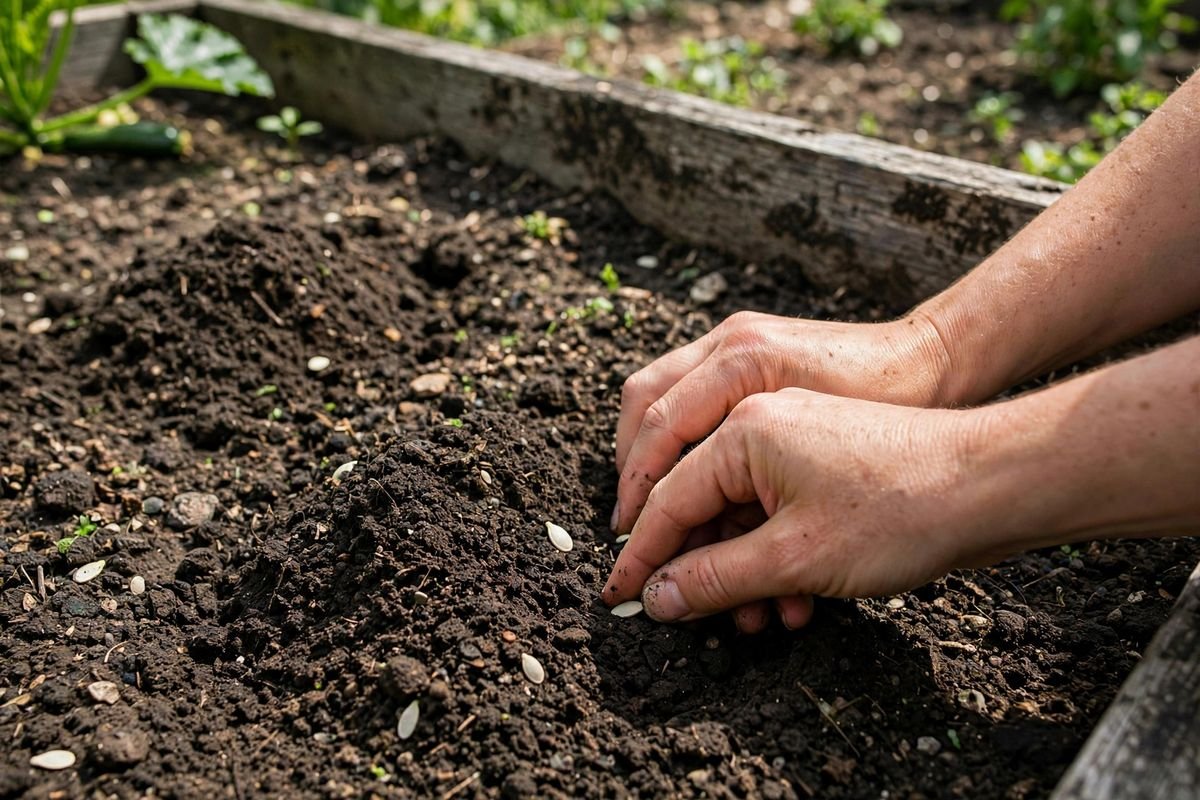
We sow seed 1 inch deep. Two common patterns both work well. In hills, we shape a low mound about 12 inches across, sow four to five seeds in a small circle on top, and thin to the strongest two seedlings once true leaves form. In rows, we sow seeds 12 inches apart and thin to one plant every 24 to 36 inches. Hills suit beds where we want a defined cluster, and rows suit long garden beds where we walk on both sides for harvest.
After sowing, we water gently but deeply so the seed zone stays evenly moist until sprouts emerge, usually in three to ten days in warm soil. A light mulch of straw around the planting, kept a few inches back from the stems, holds moisture and keeps soil from splashing onto lower leaves during rain. A fresh packet of zucchini seeds sown at the right depth and temperature gives strong, even stands without fuss.
Spacing Zucchini Plants
Room is the cheapest insurance we buy for zucchini. Crowded plants trap humid air, invite powdery mildew, and hide fruit until the squash grows oversized. We give bush plants 24 to 36 inches on all sides and keep rows 36 to 48 inches apart so we can walk, water, and harvest without stepping on vines or snapping stems.
In a 4-foot-wide raised bed, one plant centered across the width often fills the bed by midsummer. Two plants staggered along the length of an 8-foot bed work well when we prune no leaves and pick often. In large containers, we grow one bush plant per pot of at least 5 gallons, and we expect to water more often than in the ground.
Airflow guides every spacing choice. When leaves from neighboring plants touch lightly at maturity, spacing is about right. When the canopy closes into a solid mat with no gaps, we thin the weakest plant early rather than fight disease later.
Caring for Zucchini Plants
Steady water keeps zucchini tender and productive. We aim for about 1 to 1.5 inches of water per week from rain and watering combined, and we water deeply at the base of the plant in the morning. Wetting the foliage late in the day leaves moisture sitting on leaves overnight, which encourages powdery mildew and other leaf diseases. A soaker hose or drip line under the mulch delivers water where roots need the moisture and keeps the canopy drier.
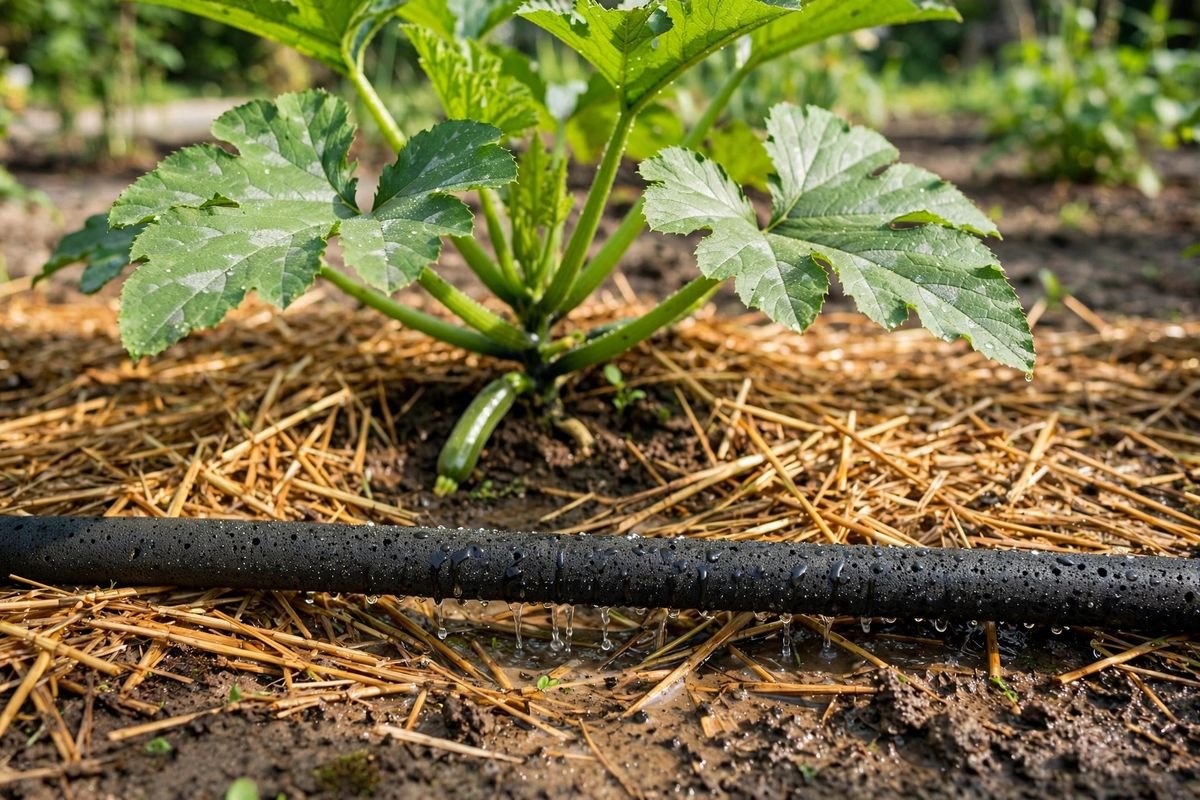
Mulch earns its keep all season. A 2- to 3-inch layer of straw, shredded leaves, or untreated grass clippings around the plants moderates soil temperature, slows evaporation, and keeps fruit cleaner. We refresh thin spots after heavy rain and keep mulch a couple of inches away from the main stem so the crown stays dry.
Feeding stays simple. The compost worked in before sowing carries plants through early growth. Once flowering begins, a side dressing of compost or a balanced organic fertilizer scratched lightly into the soil surface every three to four weeks supports steady fruit set. Overfeeding with high-nitrogen fertilizer pushes lush leaves at the expense of flowers, so we feed modestly and watch the plant response before adding more.
Pollination decides the harvest. Male flowers open on long thin stems, and female flowers carry a small swelling at the base that becomes the fruit. Bees move pollen between the flowers during morning hours. When bee activity is low or rain keeps pollinators home, fruit may yellow and shrivel at the blossom end. Hand pollination helps here: we pick a fresh male flower, peel back the petals, and dab the pollen onto the center of a fresh female flower. A soaker hose laid in place before the canopy closes makes the whole watering routine easier to keep steady through dry spells.
Best Zucchini Varieties to Try
Variety choice shapes plant size, harvest timing, and disease pressure. We pick based on bed space, kitchen habits, and how much summer humidity the garden sees. Compact bush types suit raised beds and containers, while classic green types remain the workhorse for long in-ground rows.
For small beds, compact bush varieties stay tidy and produce heavily on short vines. For long beds and bed edges, standard green zucchini varieties grow vigorously and set fruit over many weeks when picked young. Yellow and round types add kitchen variety and make harvest easy to spot against green foliage, which helps us catch fruit at the ideal size before the squash grows tough.
Disease resistance deserves attention where summers run humid. Varieties described as resistant or tolerant to powdery mildew hold leaves longer and keep producing after susceptible plants fade. We rotate squash to a different bed each year where space allows, and we check the packet for habit and resistance notes before sowing.
Harvesting Zucchini
Frequent picking is the habit that makes the whole crop work. We harvest when fruit reaches 6 to 8 inches long, with glossy skin that a thumbnail dents easily. At that size the seeds stay small, the flesh stays tender, and the plant reads the harvest as a signal to set more flowers and fruit. Letting fruit balloon to baseball-bat size slows production and gives us watery, seedy squash that suits only a few kitchen uses.
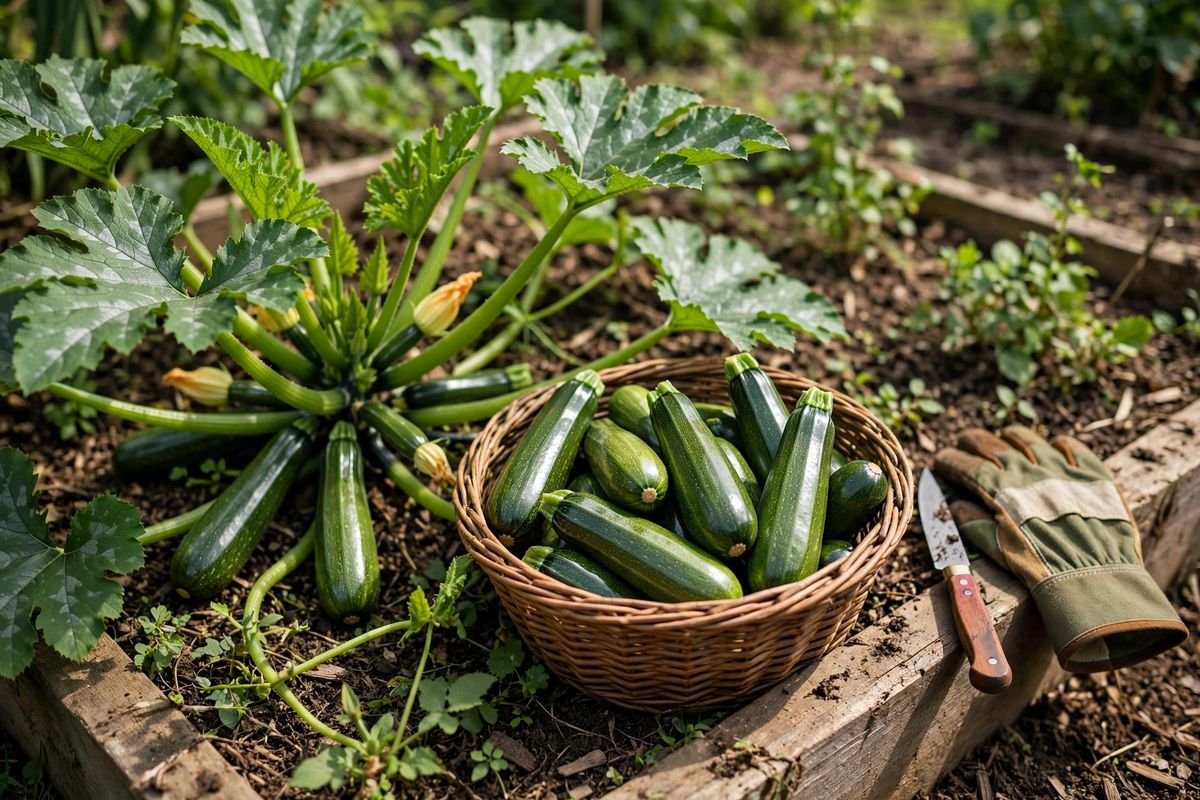
We check plants every day or two during peak season, since warm weather can size up a fruit almost overnight. To harvest, we support the fruit with one hand and cut the stem with a clean knife or pruners, leaving a short stub attached to the squash. Twisting or pulling risks tearing the main stem, and torn tissue invites rot in wet weather. Morning harvest gives the firmest fruit, and prompt cooling in the refrigerator keeps quality for several days.
We also pick a few male blossoms for the kitchen and leave the rest for pollination. When production outpaces the kitchen, grating and freezing keeps the surplus useful. The rule stays simple: pick young and pick often.
Troubleshooting Zucchini Problems
Why is the fruit rotting at the blossom end?
Blossom end rot shows as a sunken, dark patch at the blossom end of young fruit. Uneven watering is the most common trigger, since roots take up calcium poorly when soil swings between dry and soaked. We mulch well, water deeply and evenly, and remove affected fruit so the plant directs energy into healthy new squash. Most plants settle once watering steadies.
Why are small fruit yellowing and shriveling?
Poor pollination is the usual cause. The small fruit at the base of a female flower needs pollen from a male flower, and cold, rain, or low bee activity interrupts the transfer. Hand pollination on a dry morning fixes the pattern quickly. Planting a few flowers nearby to draw pollinators also helps through the season.
What is eating the stem at the base?
The squash vine borer is the prime suspect when a healthy plant wilts suddenly and sawdust-like frass appears at the stem base. The larva feeds inside the stem. We watch for the red-and-black moth in early summer, cover young plants with row cover until flowering, and slit an affected stem lengthwise to remove the larva, then mound soil over the wound so the plant can root again. Rotating squash to a fresh bed each year lowers pressure.
Why do leaves show white powdery patches?
Powdery mildew thrives in humid air and crowded canopies. We space plants widely, water at the base, and remove the worst leaves to open airflow. Resistant varieties slow the spread where mildew returns every year. The fungus weakens plants over time rather than killing overnight, so steady picking and watering keep the harvest going while pressure builds.
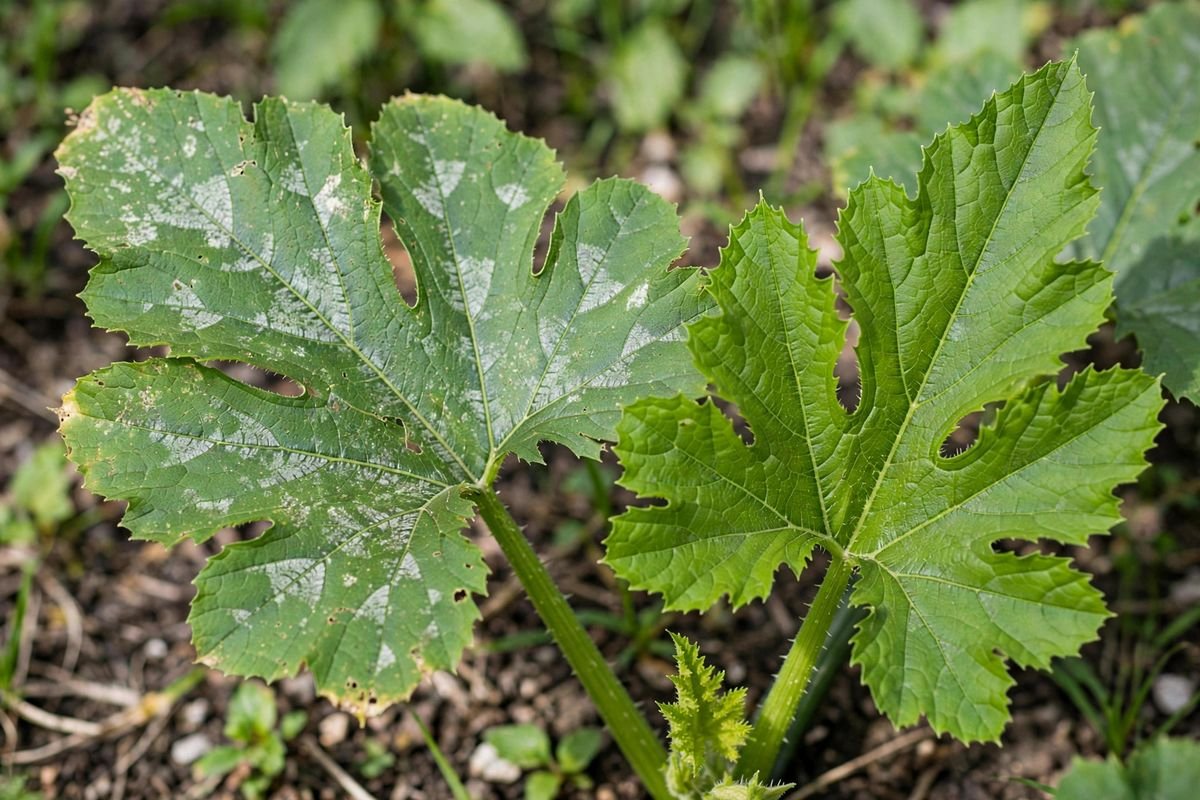
Most zucchini troubles trace back to water, airflow, or timing. Correct those three and plants usually recover within a week or two.
FAQ
How many zucchini plants does a household need?
One or two healthy plants usually supply a household that cooks squash a few times a week. Heavy bakers and growers who share widely may enjoy three, but more plants often overwhelm the kitchen at peak season.
Can zucchini grow in containers?
Yes. A compact bush variety in a pot of at least 5 gallons with drainage holes grows well on a sunny patio. Container plants dry out faster than in-ground plants, so we check moisture often and feed lightly through the season.
Why are there flowers but no fruit?
Early flowers are often all male, which is normal. Female flowers follow within a week or two. Where female flowers appear but fruit shrivels, pollination is the fix, and hand pollination bridges gaps in bee activity.
How long does the harvest last?
Plants produce for many weeks when picked young and watered steadily. A midsummer sowing in warm regions replaces tired plants and carries the harvest toward the first fall frost.
Sources & Further Reading
- University of California Agriculture and Natural Resources — summer squash growing, spacing, and pest notes (ucanr.edu)
- Colorado State University Extension — growing summer squash, sowing depth and warm soil needs (extension.colostate.edu)
- University of Minnesota Extension — zucchini and summer squash, pollination and harvest size (extension.umn.edu)
- Iowa State University Extension and Outreach — squash vine borer and powdery mildew management (extension.iastate.edu)
Keep exploring:
- How to Grow Tomatoes for companion warm-season planting and spacing habits.
- Container Gardening for Beginners for pot size, drainage, and watering basics.
Warm soil, wide spacing, steady water, and a basket in hand every other day — that simple rhythm turns a few seeds into weeks of tender squash. Which will our beds hold this season, a compact bush for the raised bed or a classic green vine along the edge?