
This post may contain affiliate links. If you buy through links on this page, we may earn a commission at no extra cost to you.
As an Amazon Associate I earn from qualifying purchases.
Hardy seeds give you two honest ways to start the season. Direct sowing puts the seed straight into the bed in spring, once the soil has warmed enough for it to sprout. Winter sowing starts the same seed in a vented container outdoors in late winter, and the seed sprouts on its own when the weather turns.
Both methods end with plants in the same bed. The difference is who controls the calendar. With direct sowing, you pick the day. With winter sowing, the weather picks it. That one difference shapes timing, cost, effort, and which crops each method suits best.
We have not run side-by-side trials of these two methods, and this guide does not pretend otherwise. It compares them on what each one asks of you, what each one risks, and the timing math for one crop, kale, so you can pick the method that fits your garden and your schedule.
The two methods at a glance
| Direct sowing | Winter sowing | |
|---|---|---|
| Timing | Sow after the soil warms in spring | Sow in late winter; seed sprouts when the weather warms |
| Germination | Depends on spring soil temperature and moisture in the open bed | Seed waits through the cold, then sprouts as the container warms; soil in a jug warms faster than the open bed |
| Pest exposure | Seed and young shoots sit in the open, easy pickings for birds, slugs, and cutworms | Container walls block birds and most slugs until transplant time |
| Cost | Seed and a row marker, almost nothing else | Seed plus recycled jugs, potting mix, and tape; still low, but more than nothing |
| Effort | One trip to the bed, then thinning and watering | An afternoon building jugs, then weekly checks and venting on warm days |
| Best crops | Peas, beans, carrots, radishes, and other fast growers that dislike transplanting | Kale, lettuce, spinach, coneflower, and other hardy seeds that need a cold spell or tolerate one |
Direct sowing: seed in the bed, on your schedule
Direct sowing is the oldest way to start a garden, and the least fussy. You wait until the soil is warm enough, press the seed into the bed at the depth printed on the packet, water it in, and let the season do the rest. There is no container to build, no seedling to move, and no hardening off, because the plant grows where it will live from day one.
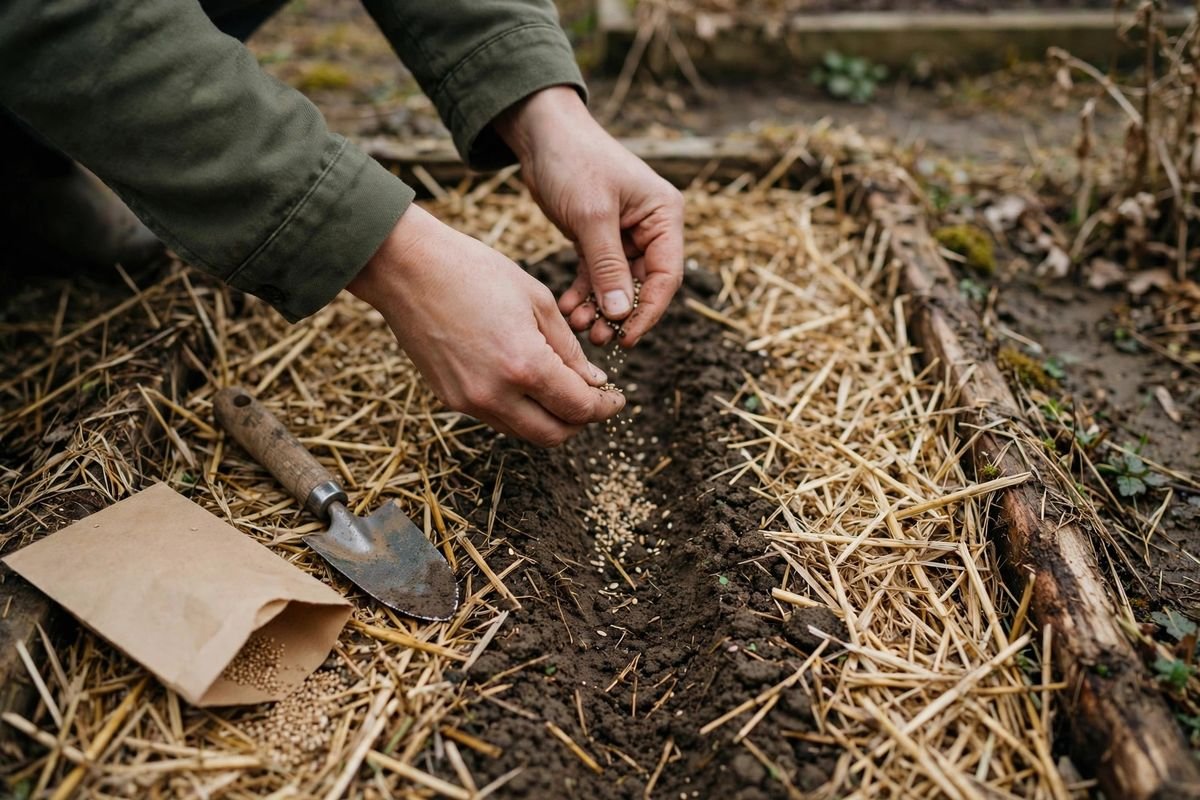
For hardy crops, the seed itself is cheap and easy to find. Kale seed packets cost little, and one packet sows several rows, so a failed row costs you a few seeds and a week, not a season.
Pros of direct sowing
Roots grow undisturbed from the start, which matters for carrots, parsnips, and peas, all of which sulk after transplanting. You need almost no gear: seed, a trowel, and a marker for the row. You also sow exactly when conditions look right, so if a cold snap is coming you can wait a few days and lose nothing. And because the plant never leaves the bed, there is no transplant shock and no hardening-off routine to manage.
Cons of direct sowing
The seed sits out in the open, and everything else in the garden knows it. Birds pull up sprouting peas, slugs graze young lettuce at night, and a hard rain can wash a shallow row of seed into a pile at the low end of the bed. Germination also waits on soil temperature, so a cold spring stalls the whole row at once. Weeds sprout at the same time as your crop, which means early weeding matters more, and you will thin most rows, which feels like throwing away plants you just grew.
Winter sowing: a head start in a jug
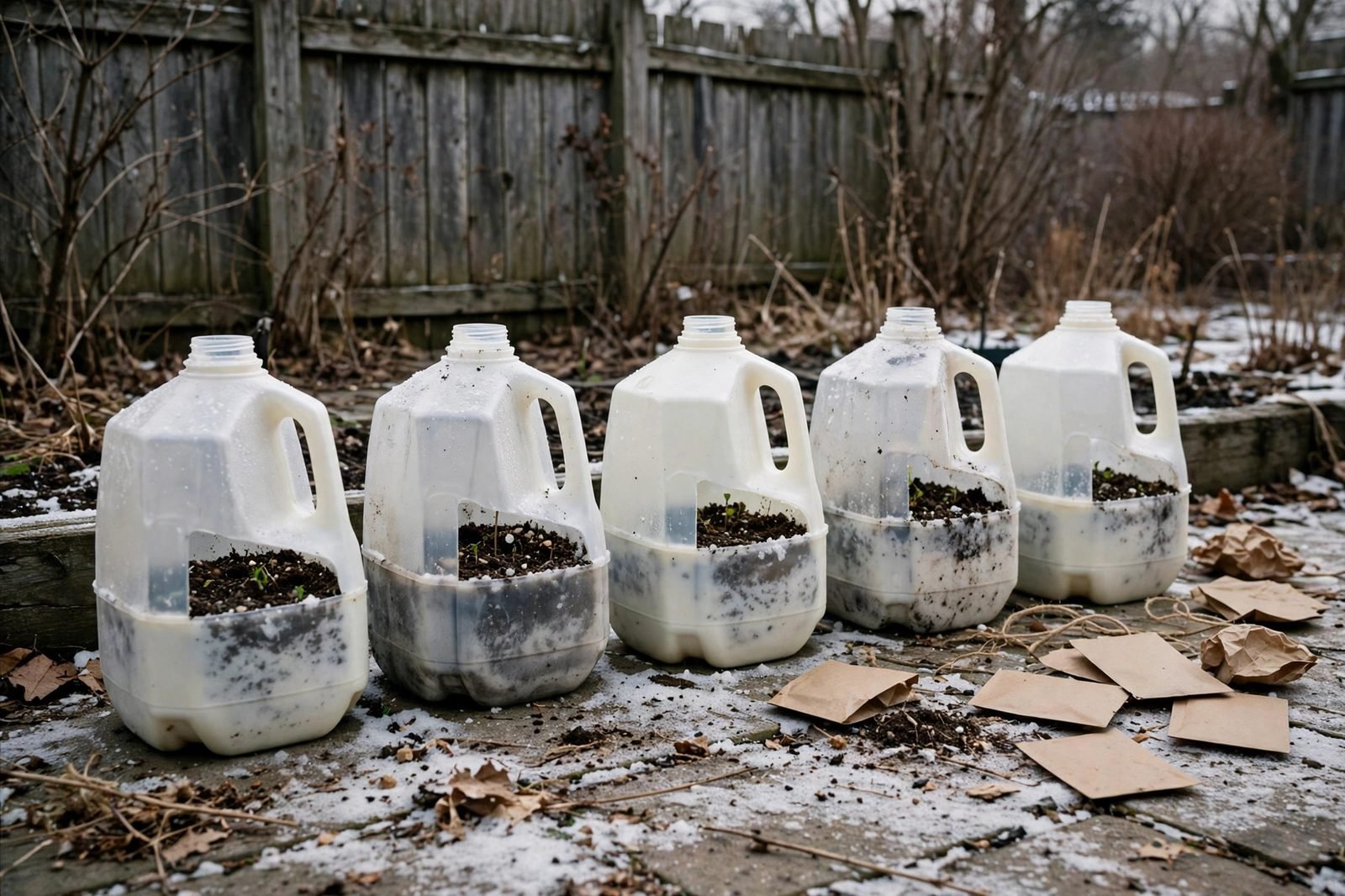
Winter sowing trades spring labor for winter patience. You fill a cut-open milk jug with potting mix, sow the seed, tape the jug shut, and set it outside in late winter with the cap off. Rain and snow water it through the open neck, and the jug works like a small greenhouse, warming the soil inside faster than the open bed. The seed stays put until the temperature tells it to sprout. Our full step-by-step for the jug setup lives in how to winter sow seeds outdoors.
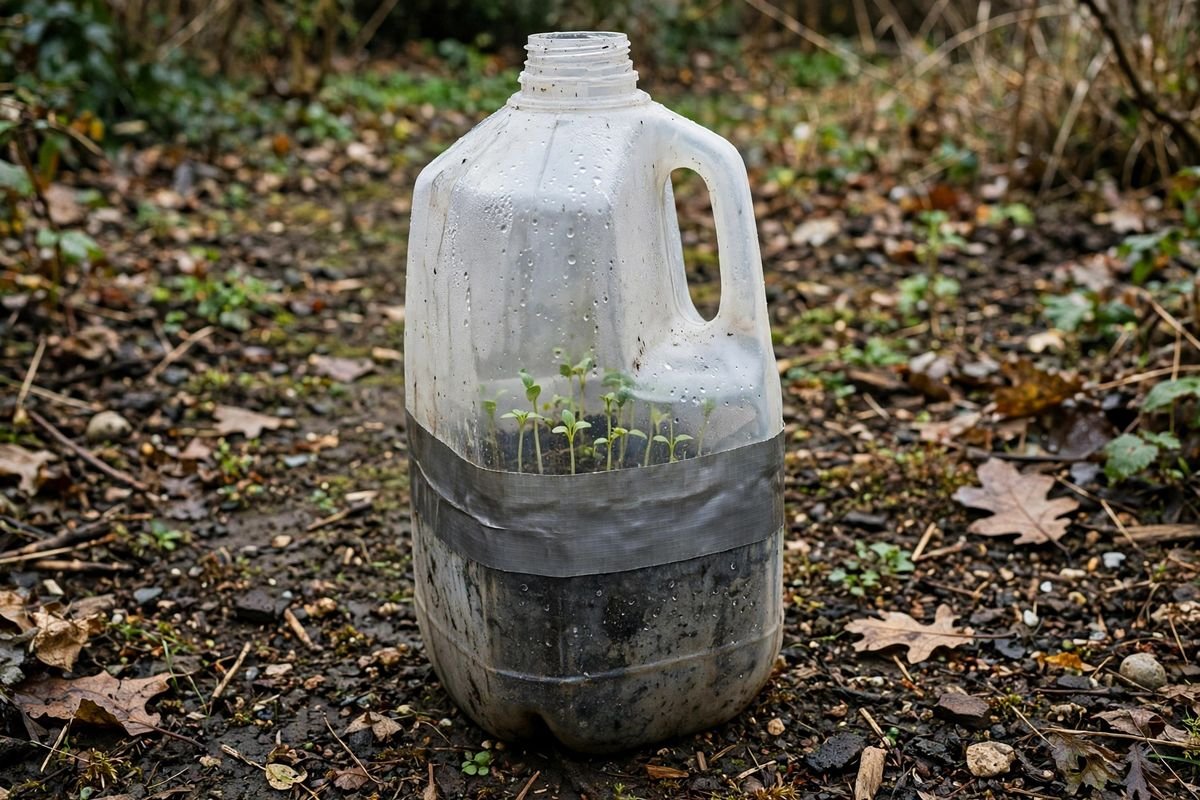
The gear list is short, and much of it is already in the recycling bin. Clean milk jugs, potting mix, duct tape, and a marker cover most of it. If you need more containers than your own recycling provides, winter sowing containers are sold in sets, though a saved jug does the same job for nothing.
Pros of winter sowing
Seed sprouts two to three weeks earlier than it would in the open bed, because the jug traps sun heat. Seedlings come out hardened off from the start, since they have lived outside in real wind and cold all along. The container walls keep birds off the seed and keep most slugs away until transplant time. And the whole setup costs very little when you reuse jugs, which makes it a good fit for gardeners who want many plants from seed without buying trays, lights, and heat mats.
Cons of winter sowing
You have to build the jugs, and that takes an afternoon. A jug can also overheat on a sunny late-winter day and cook the seedlings inside, so you need to check the containers and open them on warm afternoons. Soil in a jug can dry out in a dry spell or stay too wet in a rainy one, and either extreme can rot seed before it sprouts. Tender crops such as tomatoes and peppers do badly with this method, since they have no tolerance for the cold nights the jug cannot block. Transplanting from the jug still takes care, too, since the roots are packed close together and need gentle handling.
Worked example: kale, two ways
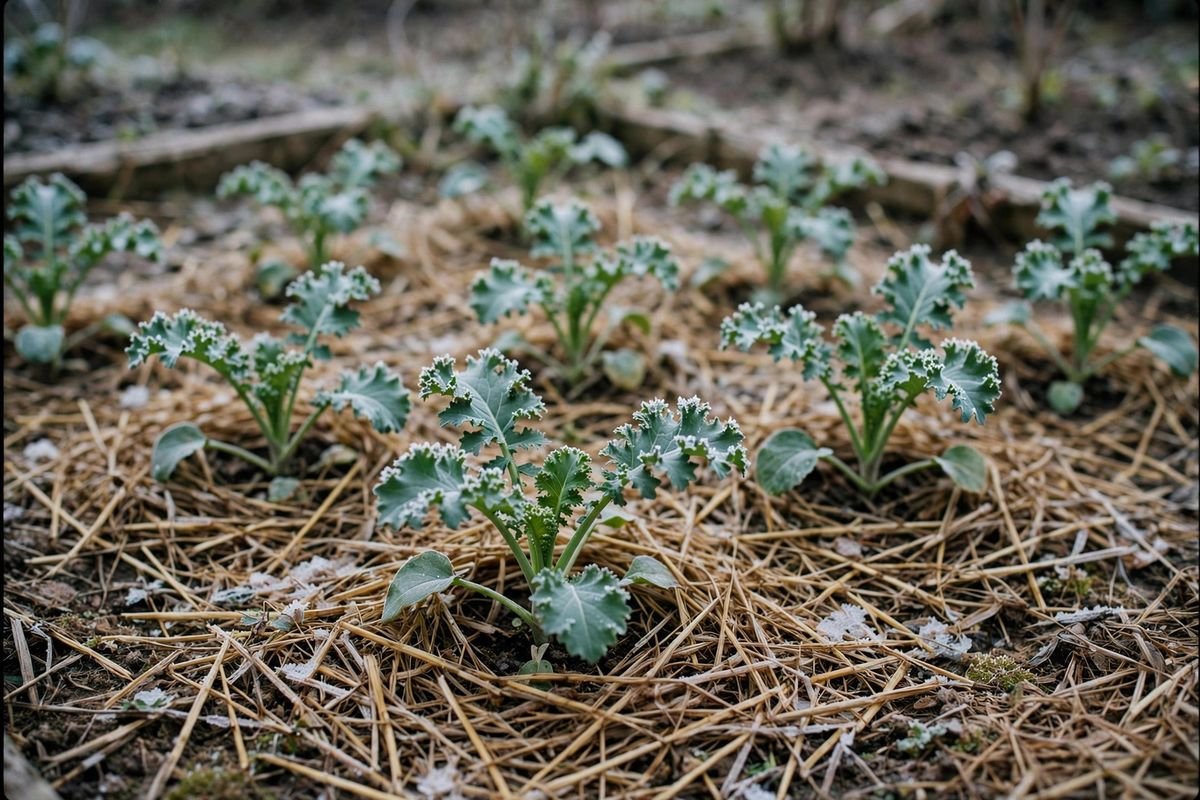
Kale is a good test crop because it is hardy, it germinates in cool soil, and its packet numbers are easy to work with. Here is the timing math for one garden, with the assumptions stated so you can redo it for your own frost dates. If you want more on growing this crop through the cold months, see how to grow kale in fall and winter.
The assumptions
Last spring frost: April 15. Open-bed soil reaches 50 degrees around April 20. Soil inside a sun-warmed jug passes 50 degrees about three weeks sooner, around March 30. Kale seed takes 10 to 14 days to sprout in 50-degree soil.
The direct-sown path
Sow on April 20, when the bed first reaches 50 degrees. Add 10 to 14 days for sprouting, and the first green shows between April 30 and May 4. Until then, the row is bare soil, and you are watering and watching for slugs.
The winter-sown path
Sow in the jug in late January. The seed sits through the cold months and does nothing until the soil in the jug passes 50 degrees, around March 30. Allow 7 to 13 days for sprouting as the jug keeps warming, and the first green shows between April 6 and April 13.
What the numbers say
Winter-sown kale sprouts about three weeks before direct-sown kale, April 6 to 13 against April 30 to May 4. The winter-sown plants are also already used to outdoor cold, so they can go into the bed as soon as the soil is workable, while the direct-sown kale is still a seed in the packet until late April. The gap narrows in mild winters and widens where spring comes slowly, so run the same math with your own dates before you count on it.
Getting the timing right
Both methods fail when the calendar is wrong. Direct sowing too early means seed rots in cold, wet soil. Winter sowing too early means seed sprouts in a warm spell in autumn and then dies in the first hard freeze. The fix is the same for both: watch soil temperature and frost dates, not the calendar page. Use your local frost dates and regional planting guidance — not your USDA hardiness zone alone — to choose planting dates. A soil thermometer costs little and tells you more than a zone map, since soil in a raised bed warms days ahead of soil at ground level. For fall sowing of hardy seed, our list of what to plant in November gives a starting point for crops that can go in before winter sets in.
The verdict
Choose direct sowing if you grow a small number of crops, your soil warms early, and you would rather spend spring mornings in the bed than winter afternoons building jugs. It is the better pick for root crops and peas, for gardeners with little storage space, and for anyone who wants the shortest path from packet to plant.
Choose winter sowing if you grow a lot of hardy seed, your spring runs short or cold, and you want seedlings ready to transplant the moment the bed is workable. It is the better pick for kale, lettuce, spinach, and hardy flowers, for gardeners with no indoor seed-starting setup, and for anyone who would rather pay with patience in winter than with waiting in spring.
Many gardeners end up using both: winter sowing for the hardy greens and flowers that gain from the head start, and direct sowing for the root crops and peas that dislike being moved. There is no prize for picking one method and sticking to it. The right mix is the one that fills your beds on time with the least fuss.
Frequently asked questions
Can I winter sow tender crops like tomatoes?
Wait until April for tomatoes, peppers, and other tender crops, or start them indoors. Winter sowing suits seed that tolerates cold or needs a cold spell to sprout. Tender seed sown in a jug in January will either sit and rot or sprout in a warm spell and die in the next freeze.
Do winter-sown seedlings need hardening off?
No. They have lived outside from the day they were sown, in real wind, rain, and cold nights, so they are already used to outdoor conditions. You still transplant them gently and water them in, but there is no two-week routine of moving trays in and out.
What containers work for winter sowing?
Clear or translucent rigid containers work: milk jugs, juice jugs, large salad boxes, and two-liter bottles. Each one needs drainage holes in the bottom, a vent hole at the top, and a way to open it on warm days. Dark or opaque containers do not work, since the seed needs light to sprout and grow.
Can I direct sow in fall instead of spring?
Yes, for some hardy crops. Seed sown in late fall sits dormant through winter and sprouts in spring, much like winter sowing without the jug. The risk is a warm spell that wakes the seed too early, followed by a hard freeze. In areas with steady cold winters, fall sowing works well for peas, spinach, and some hardy flowers.
Sources and further reading
- University of Missouri Extension, “Winter Sowing Seeds”
- University of Minnesota Extension, “Starting Seeds Indoors”
- Skagit County Master Gardener Foundation, “Winter Sowing”
Related reading: How to Winter Sow Seeds Outdoors, How to Grow Kale in Fall and Winter, What to Plant in November
By the Pot and Plot Team