
This post may contain affiliate links. If you buy through links on this page, we may earn a commission at no extra cost to you.
As an Amazon Associate I earn from qualifying purchases.
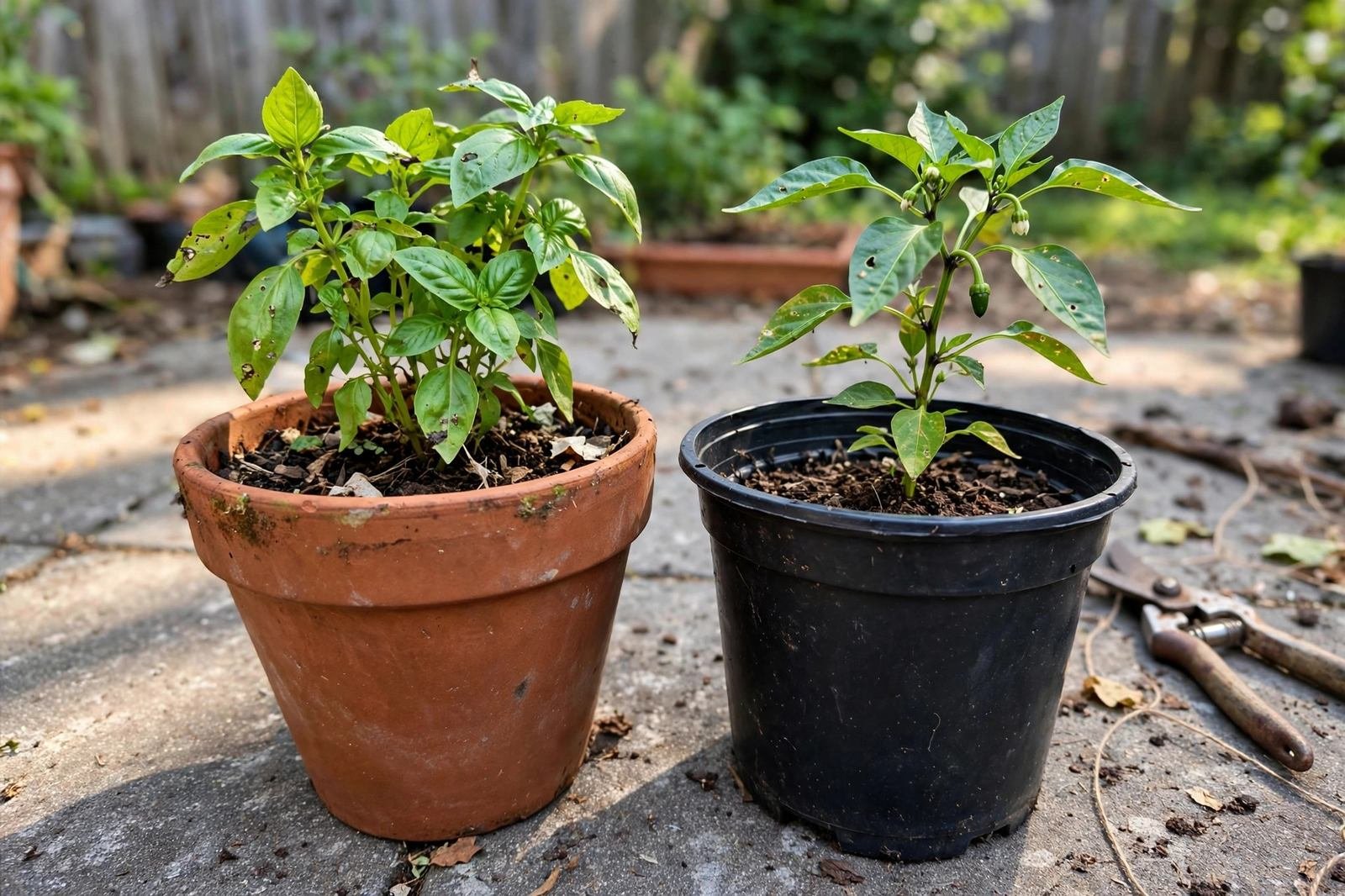
Walk into any garden center in spring and the pot aisle splits cleanly in two: warm red clay on one side, black and green plastic on the other. Both grow vegetables perfectly well. The real question is which one fits our watering habits, our backs, and our winters.
One honesty note before we compare. This is a research-based comparison built on material properties and university extension guidance, not a season-long side-by-side trial we ran ourselves on the patio. Where numbers appear below, they are our own arithmetic with the assumptions stated right beside them, so we can all check the math. Gardeners new to pots may want to start with our container gardening guide for beginners and then come back here for the material decision.
| Factor | Terracotta (Unglazed Clay) | Plastic |
|---|---|---|
| Breathability | Porous walls pass air and moisture; roots get oxygen from the sides as well as the top | Non-porous walls; air reaches roots only through the soil surface and drainage holes |
| Water loss | Loses water through the walls as well as the surface, so mix dries faster and more evenly | Loses water mainly from the surface, so mix stays moist longer between waterings |
| Weight, dry and wet | Heavy empty, and heavier still wet; see the worked example below | Feather-light empty; wet weight is almost all soil and water |
| Durability and frost | Clay absorbs water and can crack when that water freezes; chips if dropped | Flexible and knock-resistant; thin pots turn brittle after seasons of sun, thicker ones last for years |
| Cost pattern | Costs more per pot, and large sizes get pricey; breakage adds replacement cost in cold climates | Cheapest way to get many large pots; plain nursery pots cost a fraction of clay |
| Best crops | Herbs and Mediterranean plants that dislike wet feet, crops that suffer when overwatered | Thirsty fruiting crops such as tomatoes, peppers, cucumbers, and squash |
How Each Material Actually Behaves
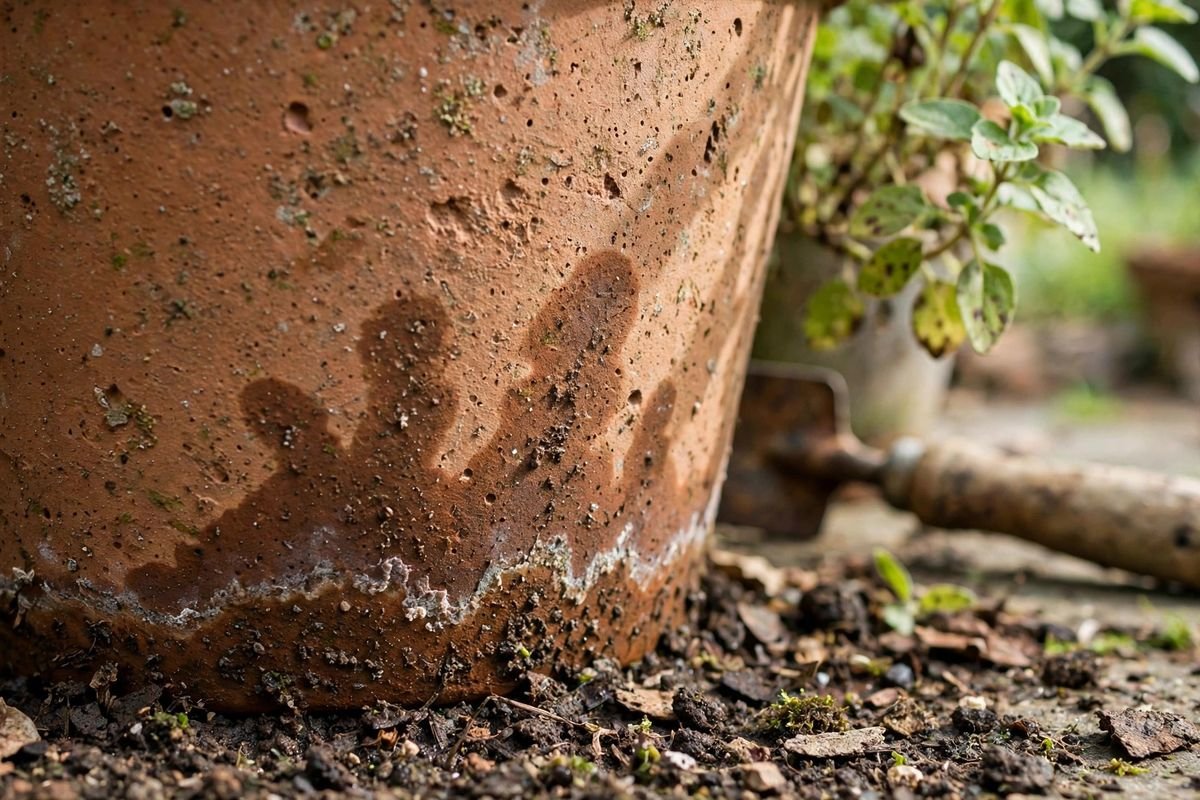
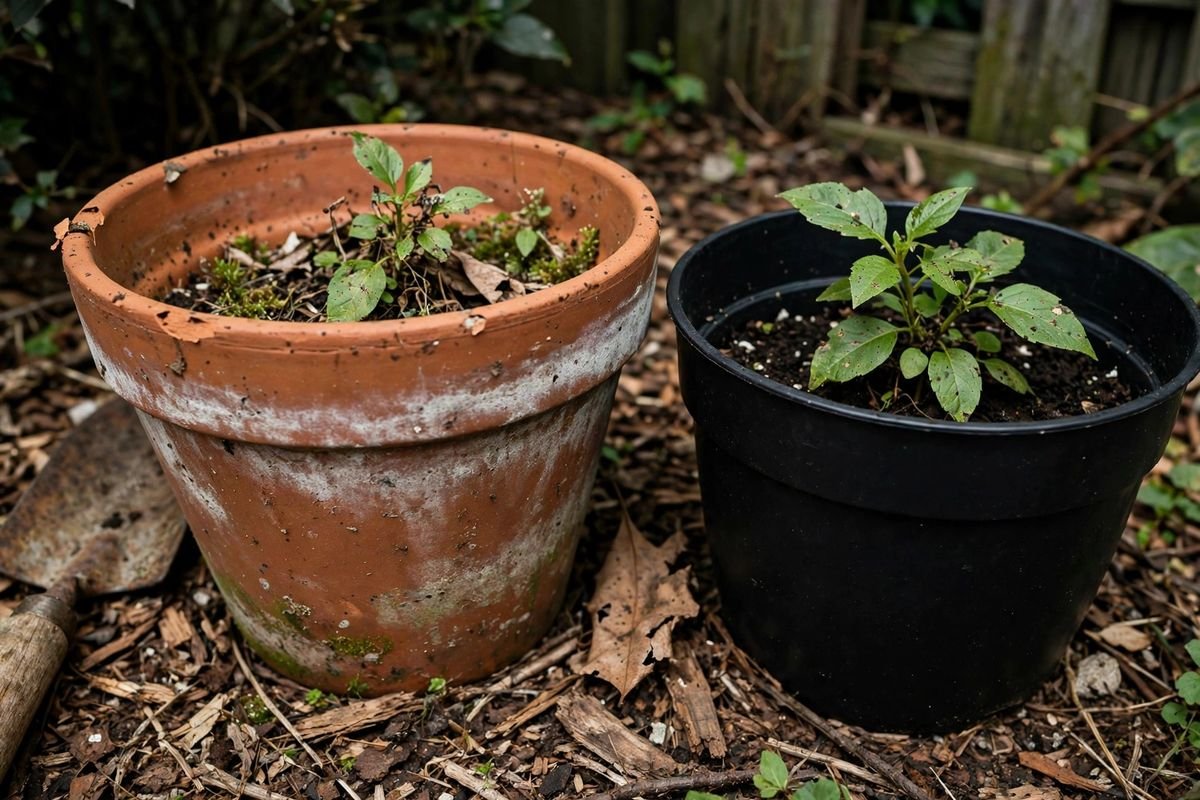
Terracotta is fired clay, and unglazed clay stays porous after firing. Water moves through the wall and evaporates from the outer surface, which is why a well-watered clay pot shows a darker damp band on its side. That same airflow cools the root zone a little and makes it hard to drown a plant: excess moisture has a whole wall to escape through. The trade-off is speed. Mix in terracotta dries from every direction at once, so in hot, windy weather a clay pot can need water a day sooner than the same plant in plastic. Salts from fertilizer also creep through the wall and leave the familiar white crust; it is cosmetic and scrubs off.
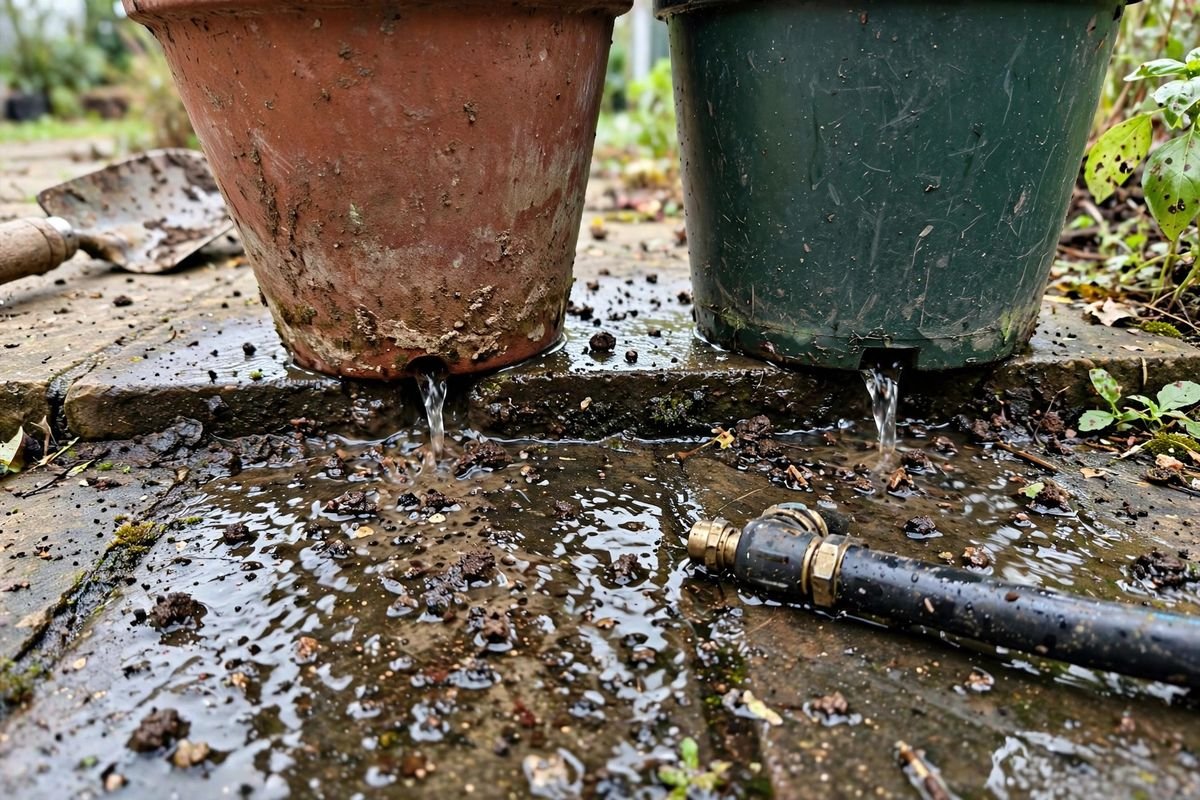
Plastic walls pass nothing. Moisture leaves only through the soil surface and the drainage holes, so the mix stays wet longer and the moisture level is easier to hold steady. Steady moisture matters for fruiting vegetables, since wide swings between dry and soaked are linked to problems such as blossom end rot and cracked tomatoes. The risks run the other way: it is easier to overwater in plastic, especially in cool spring weather, and thin black pots in full sun can heat the outer inch of mix on a hot afternoon. Drainage does the heavy lifting in plastic, so hole count and placement matter more — our guide on how many drainage holes a pot should have covers what to look for before we fill anything.
Worked Example: What a Wet 12-Inch Pot Actually Weighs
Weight is where this choice stops being abstract, so here is the arithmetic we use when planning a balcony layout. Every input is stated, and any of us can redo it with a bathroom scale and our own pots.
Inputs and assumptions: a standard 12-inch pot holding about 5 gallons of potting mix; moist mix at roughly 4 pounds per gallon, so about 20 pounds of mix; after a deep watering and drain-down, the mix holds roughly 1.5 gallons of water, and water weighs 8.3 pounds per gallon, adding about 12.5 pounds; a typical unglazed 12-inch terracotta pot weighs roughly 8 pounds empty, while a similar plastic pot weighs roughly 1.5 pounds. Brand and clay thickness vary, so treat these as planning numbers, not specifications — check the listing for any pot we buy.
Wet totals: terracotta comes to about 8 + 20 + 12.5, or roughly 40 pounds. Plastic comes to about 1.5 + 20 + 12.5, or roughly 34 pounds. The soil and water dominate both totals, which surprises most gardeners: the material gap is about 6 to 7 pounds per pot, not the night-and-day difference the dry pots suggest on the shelf.
What that means in practice: six pots on a balcony means roughly 36 to 42 extra pounds of clay before a single plant goes in, and a rail-mounted setup feels every one of them. Moving day matters too. Dragging a 40-pound clay pot across pavers risks a chipped rim and a sore back; the plastic pot is still heavy, but we can grip it with both hands and lift without worrying about the pot itself. Gardeners weighing a third option will find our comparison of fabric grow bags vs plastic pots useful, since fabric undercuts both on storage and empty weight.
What Porous Walls Do to the Watering Calendar
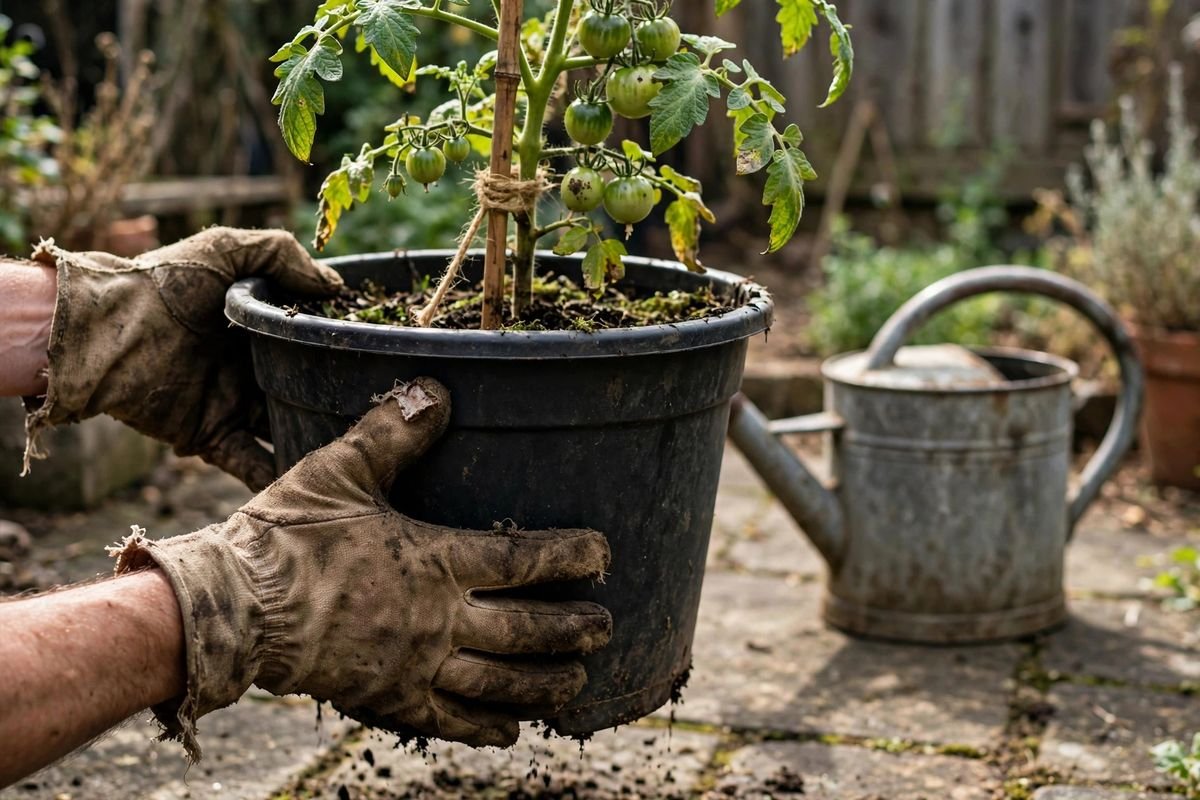
We are deliberately not quoting a lab percentage here, because evaporation through clay depends on temperature, wind, humidity, and how thick the wall is. The mechanism is simple, though. A plastic pot loses water from one surface — the top. A terracotta pot loses it from the top plus the entire wall, and the wall of a 12-inch pot is a lot of surface. Same plant, same mix, same sun: the clay pot reaches “time to water” sooner, and the gap widens on hot, breezy days and shrinks in cool, still weather.
That cuts both ways. For herbs and other plants that resent soggy roots, the clay wall is a built-in safety valve against our own heavy hand with the hose. For a tomato in July, it can mean watering every day without fail. Gardeners who travel on summer weekends usually land on plastic for the big fruiting pots and keep terracotta for the herb row they can soak before leaving. Either way, both materials reward a thorough soak until water runs free from the base rather than a daily sprinkle.
Terracotta: Pros and Cons
Pros: porous walls buffer against overwatering and keep roots aerated; the weight resists tipping in wind; clay stays cooler at the roots than thin black plastic in sun; many gardeners simply like how it looks and ages.
Cons: dries out fast in heat and wind, so thirsty crops need close attention; the pot itself is heavy before soil goes in; absorbed water can freeze and crack the wall in winter; large sizes cost the most of the three common materials; dropped pots chip or shatter.
Browsing terracotta pots with drainage on Amazon shows the usual range — confirm the drainage hole and the diameter on the listing, since “12-inch” sometimes describes the saucer instead.
Plastic: Pros and Cons
Pros: holds moisture longest, which suits thirsty fruiting vegetables and busy schedules; lightest option for balconies, rentals, and anyone moving pots often; lowest cost per pot, especially in big sizes; flexes instead of shattering when knocked or dropped.
Cons: easiest material to overwater in, particularly in cool weather; cheap thin pots crack after a few seasons of sun; black walls can run hot in full summer sun; plain nursery plastic is nobody’s idea of patio decor.
Plain nursery-style pots are the budget workhorse here: searching plastic nursery pots on Amazon turns up the thick-walled kind that survives several seasons, and matching saucers keep patio runoff under control.
Which Crops Lean Which Way?
Herbs such as rosemary, thyme, sage, and oregano come from dry hillsides and forgive drought far better than wet feet, so terracotta’s fast, even drying suits them well. Basil is the exception in the herb row; it wilts fast and drinks steadily, so it does fine in either material as long as we keep up.
Tomatoes, peppers, cucumbers, and squash are heavy drinkers with big canopies, and plastic’s moisture reserve buys us breathing room between waterings. Pot size still matters more than material for these crops — our sizing guide on what size pot a tomato plant needs explains why a too-small pot in either material struggles by midsummer. Lettuce and other leafy greens sit in the middle: plastic in spring heat, either material in the cool fall, and terracotta only where we can water daily.
The Verdict, by Use Case
Choose terracotta if the pots live at ground level where weight is an asset against wind, if the crop is herbs or anything that hates wet feet, if overwatering is our known weakness, or if the pots double as patio furniture and looks count.
Choose plastic if the garden sits on a balcony, deck, or railing where every pound matters, if the crop is a thirsty tomato, pepper, or cucumber, if weekends away are part of the schedule, if we are potting up many large plants on a budget, or if the pots must survive being moved, stored, and knocked around for years.
Overwintering pots outdoors deserve their own line. Terracotta that has soaked up autumn rain can crack when that water freezes, so clay pots we care about get emptied, dried, and stored under cover. Plastic tolerates winter outdoors far better, though we still stack and shelter it, since sun and freeze-thaw together age it fastest. Many of us run a mixed fleet in the end: plastic for the big thirsty producers, terracotta for the herb row by the kitchen door.
FAQ
Do vegetables actually grow better in terracotta?
Neither material feeds a plant; the mix, the pot size, and our watering do that. Terracotta forgives overwatering and plastic forgives missed waterings, so the better pot is the one that matches our habits and the crop’s thirst.
Why does a white crust form on terracotta?
Water moving through the porous wall carries dissolved salts from the mix and fertilizer, then evaporates and leaves them behind as a pale crust. It is harmless to the plant, and a stiff brush under the tap takes most of it off.
Can we leave terracotta pots outside all winter?
In mild climates, often yes. Where the ground freezes hard, water absorbed in the clay can freeze, expand, and split the wall, so we empty and store clay pots dry under cover and let plastic handle the outdoor winter.
Is black plastic too hot for roots?
Thin black pots in direct afternoon sun can heat the outer layer of mix on very hot days. Grouping pots together, choosing lighter colors for the sunniest spots, or slipping a nursery pot inside a decorative outer pot all blunt the effect.
Sources & Further Reading
- University of Maryland Extension — container vegetable gardening, watering, and container material guidance (extension.umd.edu).
- Colorado State University Extension — container gardening: soil, drainage, and pot selection (extension.colostate.edu).
- University of Minnesota Extension — growing vegetables in containers, including moisture management (extension.umn.edu).
- Clemson Cooperative Extension — container vegetable gardening fact sheet on pot materials and watering (hgic.clemson.edu).
Keep Growing With These Guides
Material is one decision; size, drainage, and mix finish the job. If we had to pick one pot for the thirstiest plant on our own patio, which way would we lean — and does our watering calendar agree?