
This post may contain affiliate links. If you buy through links on this page, we may earn a commission at no extra cost to you.
As an Amazon Associate I earn from qualifying purchases.
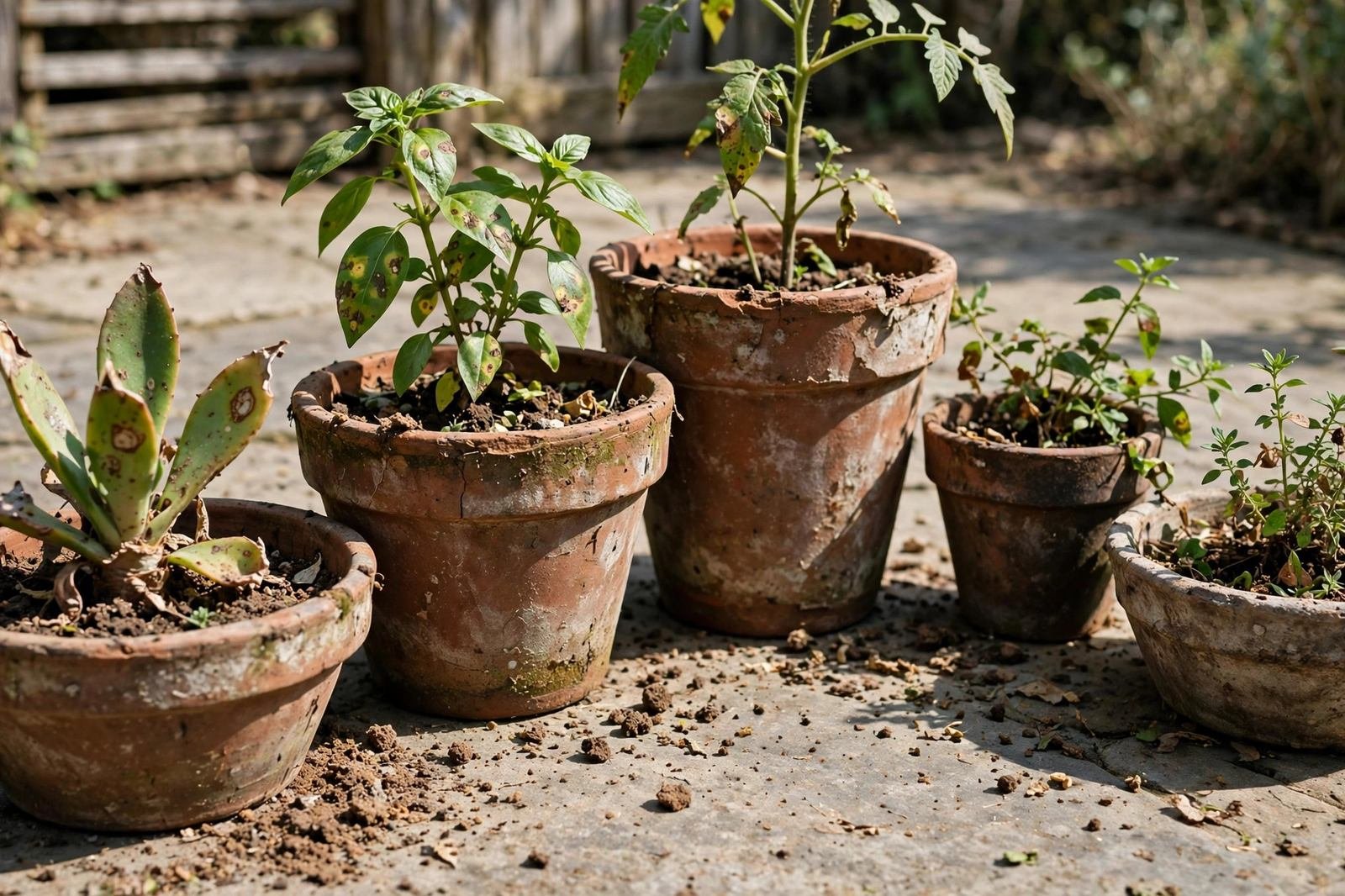
A pot that looks right on a patio can still fail a plant underground. Roots need depth to spread, take up water, and hold the plant steady. When a pot is too shallow, roots circle the bottom, soil dries out between waterings, and growth stalls even when the top of the plant looks healthy. When a pot is far deeper than the plant needs, the lower soil stays wet and roots in that zone can rot.
We have not tested the products linked here, and we give no current store prices. The links below go to search pages for pot types, so you can compare current options at the time you shop. This guide gives root-depth ranges by plant type, a worked example for choosing between two pot depths, and signs that a pot is too shallow or too deep.
How deep roots grow in pots
Most container plants use less depth than garden plants in open ground, because pot walls stop roots from spreading outward and downward. Still, depth needs vary a lot by plant type. Shallow-rooted herbs and salad leaves stay near the surface. Fruiting plants such as tomatoes and peppers send roots much deeper, and they suffer first in a shallow pot.
The table below gives typical root-depth ranges for common container plants, plus the pot depth we suggest for each group. Treat these as planning ranges, not exact measurements for one plant. Soil mix, watering, pot width, and weather all change how roots behave in a given season.
| Plant group | Typical root depth | Suggested pot depth |
|---|---|---|
| Herbs such as basil, parsley, and chives | 6 to 8 inches | 8 to 10 inches |
| Salad leaves and radishes | 4 to 8 inches | 8 inches |
| Strawberries and bush beans | 8 to 12 inches | 10 to 12 inches |
| Peppers and eggplants | 12 to 18 inches | 14 to 18 inches |
| Tomatoes | 18 to 24 inches | 18 to 24 inches |
| Carrots, short types | 10 to 12 inches | 12 inches |
Depth alone does not carry a plant. A tall, narrow pot gives little width for sideways roots and tips over in wind once a tomato grows tall. For a single tomato, we suggest a pot at least 18 inches deep and 18 inches across at the top. For a pepper, a pot at least 14 inches deep and 14 inches across works well.

A worked example: one tomato, two pot depths
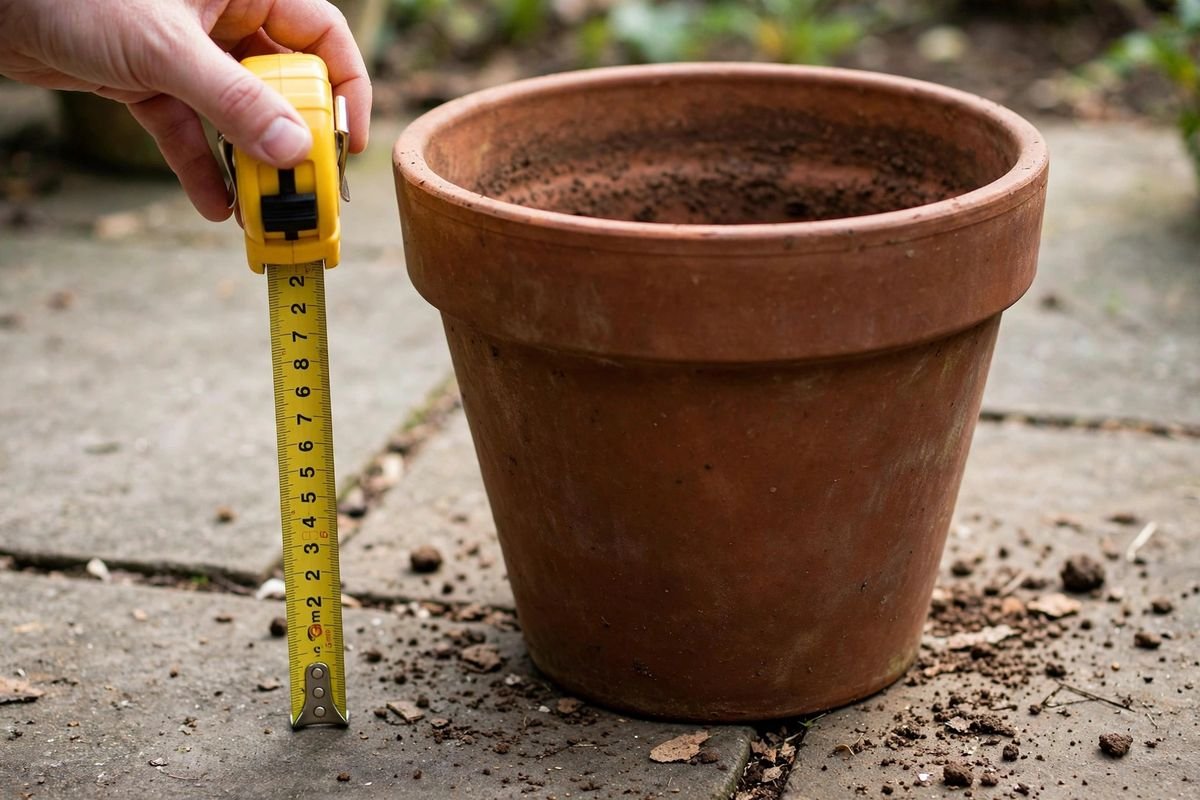
Suppose you have a tomato seedling and two empty pots. Pot A measures 12 inches deep and 14 inches across. Pot B measures 20 inches deep and 18 inches across. Both pots have drainage holes and the same potting mix. Which pot fits the tomato better, and why.
Start with the root range from the table: a tomato typically uses 18 to 24 inches of root depth. Pot A stops at 12 inches, which is 6 inches short of the low end of that range. Roots will reach the bottom early in the season, circle, and run out of fresh soil. Water will also leave a 12-inch pot faster, so summer watering becomes a daily chore and the plant wilts sooner on hot days.
Pot B gives 20 inches of depth, inside the 18 to 24 inch range, plus more width for sideways roots. The extra soil holds more water between waterings and gives roots room through the fruiting months. Pot B is the better pick here, even though it weighs more when wet and needs a steady spot on the patio. The assumption behind this pick is stated plainly: the tomato is a full-size type grown in one pot alone, not a small patio type shared with other plants.
Use the same check for other plants: compare the pot depth you have with the root range for that group. If it falls well short, pick a deeper pot or switch to a shallow-rooted plant that fits the pot you already own.
Shallow pots and what grows well in them
Shallow pots suit plants that stay near the surface. Herbs, salad leaves, and short radishes all grow well in 8 inches of soil, provided the pot drains and the mix stays lightly moist. A shallow pot also suits a sunny windowsill or a small balcony rail, where a deep pot would be heavy or awkward to move.
The limit of a shallow pot is water storage. Eight inches of mix dries out faster than 18 inches, so check shallow pots each day in warm weather. Push a finger one inch into the mix, water when that top inch feels dry, and water until a little runs from the drainage holes.
Do not plant a tomato, pepper, or eggplant in a shallow bowl pot and expect a full harvest. Roots will crowd, watering will dominate the summer, and fruit size will suffer. Match the plant to the pot depth first.

Deep pots, drainage, and weight
Deep pots help fruiting plants, but depth brings two trade-offs: drainage and weight. Soil at the bottom of a very deep pot stays wet longer than soil near the surface, especially if the pot has only one small hole. Use a pot with several drainage holes across the bottom, and set it on feet or a stand so water can leave freely instead of pooling underneath.
Do not fill the bottom of a deep pot with gravel or broken pots in the hope of improving drainage. That layer takes up root room and can hold a wet zone right where roots need air. Fill the whole pot with potting mix, and let the drainage holes do the work. For a very tall pot that a shallow-rooted plant will use, a false bottom insert made for planters is a cleaner option than gravel, since it leaves an air gap below the soil.
Weight matters once a deep pot is full and wet. A 20-inch pot of wet mix can weigh 50 pounds or more, so place it where it will stay for the season before you fill it. Our guide to how to arrange pots on a small balcony covers spacing and weight placement for tight spaces.
Signs the pot depth is wrong
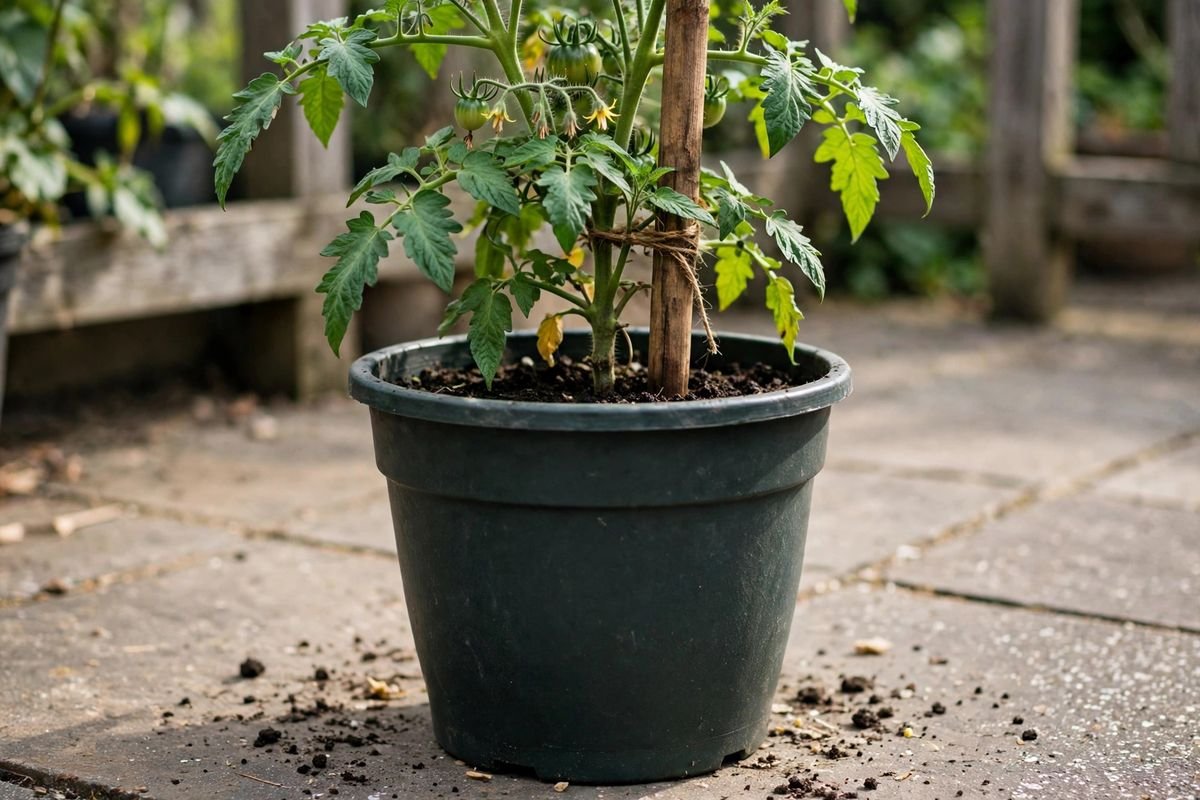
Roots pushing out of the drainage holes, soil that dries out within hours of watering, and a plant that wilts every afternoon despite regular watering all point to a pot that is too shallow or too small. Growth that stalls in midsummer points the same way.
A pot that is too deep shows a different pattern. The surface dries while the lower soil stays soggy, and leaves turn yellow from the bottom up. If you lift the plant and find dark, soft roots in the lower half, the deep wet zone is the likely cause.
When you repot for depth, move the plant at a cool time of day and water it in well after the move. For more on pot materials and how they change drying, see terracotta vs plastic pots and self-watering pots vs regular pots.
Questions
One common mix-up is depth versus diameter. A wide, shallow bowl can hold a lot of soil by volume yet still fail a tomato, because roots run out of downward room. Volume matters for water storage, but depth sets the root room for deep-rooted plants. Check both numbers on the pot label before you buy.
Another mix-up is pot depth versus plant height. A tall plant does not always need the deepest pot, and a short plant is not always shallow-rooted. Carrots prove the point: the tops stay low, yet short types still need about 12 inches of soil for straight roots.
To compare current options, search for deep plant pots and shallow herb planters. Compare depth first, then top diameter, then drainage holes. A pot that matches the root range in the table will serve the plant better than a larger pot that is too shallow.